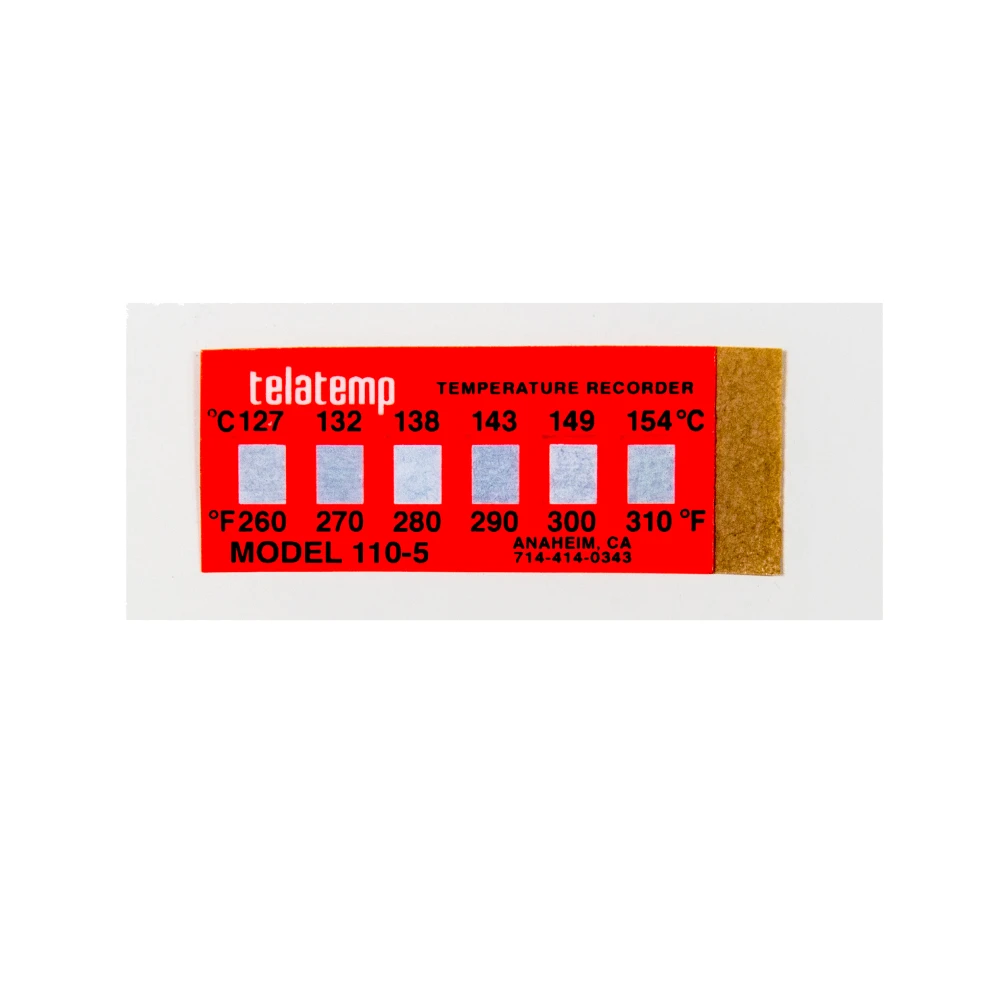

Maintaining the right environmental conditions is critical when storing or transporting sensitive products. A temp indicator is an essential monitoring solution designed to give instant visual confirmation of environmental changes that may affect product quality. When combined with humidity-sensitive technology, these indicators help businesses prevent damage caused by temperature and moisture fluctuations.
Widely used across packaging, logistics, electronics, and industrial storage, temp indicators offer a cost-effective and highly reliable monitoring method.
What Is a Temp Indicator?
A temp indicator is a visual monitoring tool used inside sealed packaging, containers, or storage environments to indicate changes that may compromise product safety. In temperature-sensitive applications, humidity levels often rise or fall alongside temperature changes—making humidity-based temp indicators highly effective for indirect temperature monitoring.
These indicators require no batteries, calibration, or external power, making them ideal for long-term storage and shipping applications.
Why Temp Indicators Are Essential for Product Protection
Temperature variations can silently damage sensitive goods. A temp indicator provides immediate insight into whether environmental conditions have exceeded safe limits.
Key Advantages:
- Instant visual alert when conditions change
- Prevents moisture-related damage caused by temperature shifts
- Improves quality control during transit and storage
- Supports compliance with packaging and safety standards
- Reduces product loss and customer complaints
A small indicator can protect high-value products.
How Temp Indicators Work in Packaging
Humidity-based temp indicators contain specially treated spots that change colour as environmental conditions shift. Since temperature changes often lead to humidity fluctuations inside sealed packaging, these indicators act as a reliable signal of potential temperature exposure.
When placed alongside desiccants, they also confirm whether moisture control systems are functioning effectively.
Common Applications of Temp Indicators
Packaging & Shipping
Ideal for sealed bags, cartons, and export packaging to verify that products were not exposed to harmful temperature conditions during transit.
Electronics & Components
Protects circuit boards, chips, and precision instruments that are highly sensitive to temperature-induced moisture.
Industrial & Manufacturing Storage
Used in warehouses and production units to monitor controlled environments and prevent corrosion or degradation.
Medical & Pharmaceutical Storage
Ensures sensitive materials remain within acceptable environmental limits throughout handling and storage.
Key Features of High-Quality Temp Indicators
- Clear colour-changing visibility
- Multiple humidity/temperature threshold options
- Compact and lightweight design
- Single-use or reversible formats available
- Maintenance-free operation
These features make temp indicators a dependable solution across multiple industries.
Benefits Over Digital Monitoring Devices
While digital sensors offer precision, temp indicators provide several practical advantages:
- No power or batteries required
- Lower cost per unit
- Easy interpretation with no training
- Ideal for bulk packaging and logistics
- Reliable performance in sealed environments
For many applications, temp indicators are the most efficient choice.
Choosing the Right Temp Indicator
When selecting a temp indicator, consider:
- Expected temperature and humidity range
- Duration of monitoring
- Type of packaging used
- Industry compliance requirements
- One-time or reusable monitoring needs
The right choice ensures accurate monitoring and maximum protection.
Final Thoughts
A temp indicator is more than just a monitoring tool—it’s a safeguard for quality, reliability, and customer trust. By providing clear visual evidence of environmental exposure, these indicators help businesses take control of temperature-sensitive packaging and storage conditions.
Simple, effective, and proven—temp indicators are a smart investment for protecting valuable products.
























Sign in to leave a comment.