When people think about architecture, they often picture structural beauty—sleek lines, innovative materials, and artistic forms. But without the right lighting, even the most stunning building can fall flat. Whether it’s a residential loft, a commercial lobby, or a heritage site, lighting defines how space is experienced.
In modern architectural design, lighting is no longer an afterthought—it’s an integral element that influences aesthetics, mood, functionality, and even energy efficiency. In this blog, Luxion Lighting explores the pivotal role of architectural lighting in shaping today’s built environments, with a special look at how it empowers electrical contractors to deliver high-performance spaces.
1. Architectural Lighting: Bridging Art and Function
Architectural lighting serves a dual purpose—enhancing visual appeal while supporting functional needs. Carefully planned lighting systems accentuate key design features such as textures, materials, and spatial flow. For example, wall grazing can highlight natural stone, while recessed lights can give a sense of ceiling height and openness.
More importantly, well-designed lighting supports how a space is used. From task lighting in a kitchen to ambient lighting in a spa, each fixture plays a specific role in user comfort and experience.
2. The Shift Toward Smart and Sustainable Lighting
As sustainability becomes a design priority, energy-efficient lighting technologies like LEDs, daylight harvesting systems, and motion sensors are revolutionizing the industry. Architectural lighting is at the forefront of this movement, offering solutions that reduce energy consumption without compromising design.
This presents a great opportunity for electrical contractors. With the right products and design support, contractors can install smart systems that not only meet code requirements but also elevate a project’s long-term value.
3. Creating Identity and Emotion Through Light
Lighting shapes emotional responses to space. A warm-toned entrance welcomes; dramatic shadows evoke elegance; color-changing LEDs add playfulness or sophistication. Architects now collaborate closely with lighting designers and suppliers like Luxion Lighting to create spaces that tell a story through light.
This emotional connection is especially important in branding commercial spaces. Think about how high-end retail stores or boutique hotels use layered lighting to craft identity and customer experience.
4. A Crucial Partner for Electrical Contractors
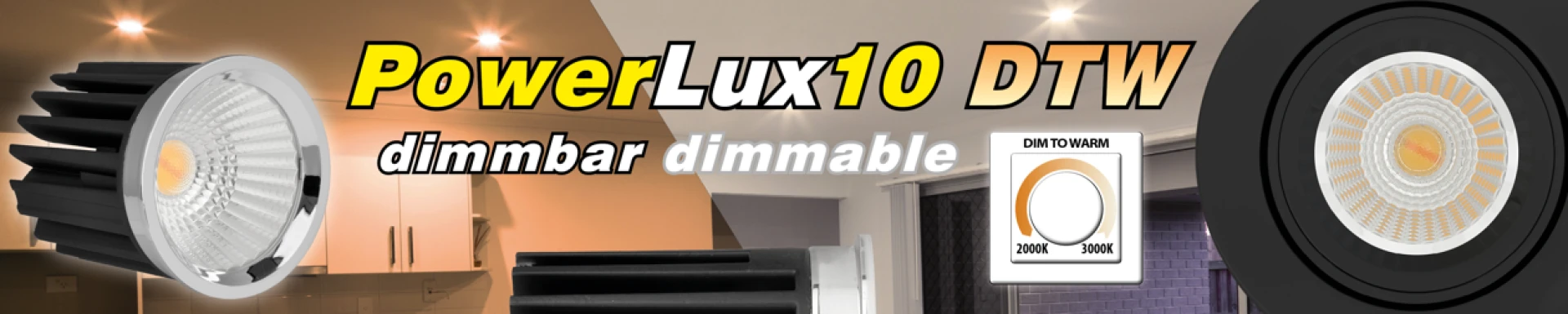
For electrical contractors, working with a trusted lighting provider can mean the difference between project delays and seamless execution. Luxion Lighting offers a wide selection of high-performance lights for electrical contractors—from decorative pendants to architectural downlights—designed for reliability, efficiency, and visual impact.
We also provide expert guidance on lighting layout, controls integration, and code compliance, helping contractors deliver turnkey solutions that exceed client expectations.
5. Lighting as a Tool for Space Optimization
In compact urban environments, lighting is used to “expand” or “compress” space visually. Cove lighting can make a room feel taller; linear LEDs can guide movement in narrow hallways. As open-plan living and multi-functional spaces become more popular, flexible lighting systems are critical to defining zones and enhancing usability.
Conclusion: Lighting Is Architecture’s Silent Partner
From transforming the look and feel of a space to meeting performance demands, lighting is a foundational element in modern architectural design. For architects, designers, and electrical contractors alike, understanding the power of architectural lighting is essential for creating environments that inspire and endure.
At Luxion Lighting, we combine cutting-edge technology, design flexibility, and contractor-friendly service to support the built environments of tomorrow.



























Sign in to leave a comment.