
In the world of literary fiction, mythical beings serve as powerful tools which form an imaginative world. From ancient folklore to modern storytelling, these mythical creatures have captured the imaginations of audiences worldwide.
This blog will help you understand how mythical beings contribute to the richness of fictional universes and influence storytelling dynamics.
Mythical Beings as Architectural Elements in Fictional Worlds:
Imagine a fictional world without mythical beings – it is a castle without its grandeur and magic that captivates the readers. Mythical beings act as architectural elements and form the basis upon which the fictional world is based.
From the dragons soaring in the sky to the elves roaming in dark forests, these supernatural elements infuse magic with wonder and mystery, making it an unforgettable reading experience for everyone.
How Mythical Beings Influence Narrative Dynamics:
The presence of supernatural elements is not merely decorative; it fundamentally shapes narrative dynamics. Their powers, conflicts, and interactions drive the plot forward, introducing tension, stakes, and moral dilemmas. Mythical beings serve as catalysts for character growth and plot twists, keeping readers eagerly turning the pages.
Mythical Beings as Cultural Signifiers in Fictional Realms:
In the fictional world, mythical beings often reflect cultural beliefs, values, and fears. They become cultural signifiers, reflecting the collective psyche of society. In many narratives, the portrayal of vampires reflects society’s anxieties about immortality, desire, and temptation.
The depiction of werewolves also highlights the primal instincts and the duality of human nature. By infusing mythical beings into narratives, authors entertain the readers and also provoke thought and reflection on real-world issues.
The Psychological Impact of Mythical Beings on Reader Imagination and Belief Systems:
The allure of mythical beings goes beyond the pages of ordinary fiction. These creatures often spark curiosity, wonder, and introspection for many readers. The psychological impact of mythical beings can be highly impactful as it challenges preconceived notions. It also goes beyond the boundaries of possibility. This genre helps the readers reshape how they perceive the world around them.
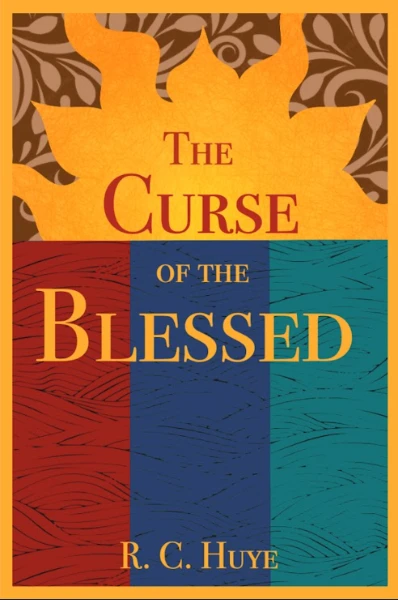
Mythical beings play a pivotal role in shaping fictional worlds and narratives. As architectural elements, they infuse landscapes with magic, detail, and wonder. If you are looking for such a breathtaking narrative, ‘The Curse of the Blessed’ by R.C. Huye is a treat for you.
The story will take you into the land of magical abilities and ancient deities, filled with lore and a history of complications. It follows Camari, a healer’s daughter from a small village, and Aiden, the Royal Assassin and a soldier in the king’s army, whose one job is to destroy all hidden seer villages. Their paths collide and this sets them off, in a somewhat unwilling manner, on a journey, seeking answers to their questions and facing many challenges along the way. As the story unfolds, Camari learns the truth of self-discovery and how one does not necessarily have to find themselves but can make themselves. Aiden fights with his past actions and future choices as he is confronted with truths that may force him to change everything. The novel explores the ideas of power and goodness and how these two things must stay balanced, dropping hints about deeper ideas in the tale.
The story delves into themes like magic, fate, and the influence of mythical beings on the world\'s fate. Though not directly mentioned, there\'s a hint of a past era with talks of ancient languages and complicated histories, adding richness to the setting.
Join Aiden and Camari on their epic story as they traverse through the world of gods and magic, uncovering the secrets of their kingdom. Begin your adventure today by pre-ordering your copy of ‘The Curse of the Blessed’ by R.C. Huye from Amazon.








Sign in to leave a comment.