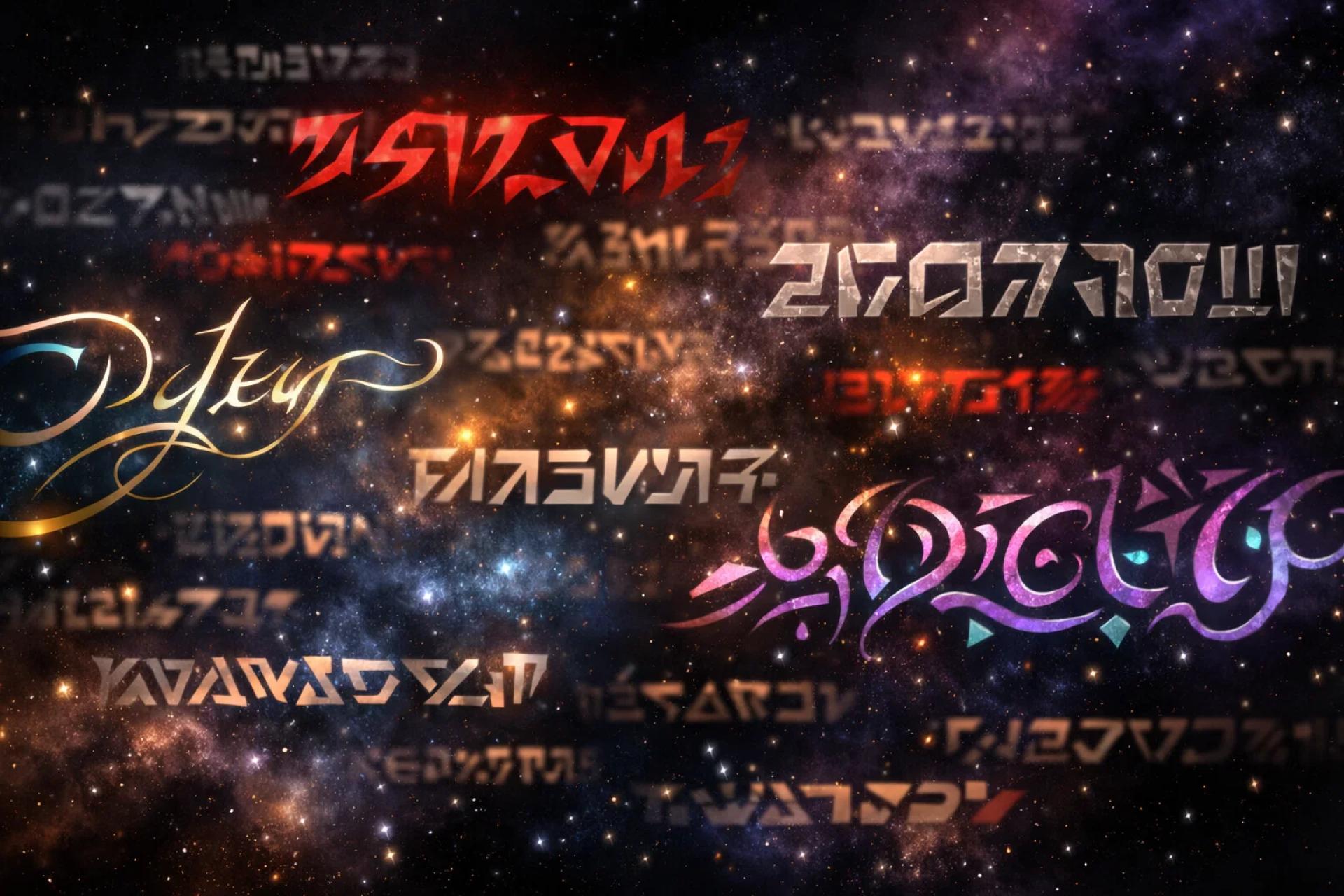

Names are more than labels in the Star Wars universe—they're gateways to understanding entire cultures, philosophies, and destinies. From the moment Obi-Wan Kenobi revealed that Darth Vader was once Anakin Skywalker, fans understood that names in this galaxy carry profound significance. Whether you're a writer crafting fan fiction, a gamer building your next SWTOR character, or simply a Star Wars enthusiast exploring the depths of galactic lore, understanding naming traditions unlocks new appreciation for this beloved universe.
The brilliance of Star Wars naming conventions lies in their ability to instantly communicate character traits, cultural backgrounds, and even moral alignments. George Lucas and subsequent creators didn't randomly assign names—each one was carefully constructed to evoke specific feelings and associations. This attention to detail has inspired countless fans to seek out authentic Star Wars name ideas for their own creative projects, using resources like a Star Wars name generator to capture that same galactic authenticity.
The Power of Naming in Star Wars Storytelling
The Star Wars universe spans thousands of years of history, countless planets, and hundreds of distinct cultures. Each civilization has developed unique naming traditions that reflect their values, beliefs, and social structures. Understanding these patterns provides insight into how character identity shapes the narrative.
Consider how Lucas deliberately chose names that sound exotic yet pronounceable to Western audiences. "Luke Skywalker" evokes both heroism and celestial destiny. "Han Solo" suggests independence and lone-wolf tendencies. "Padmé Amidala" carries regal, melodic qualities befitting a queen. These aren't accidents—they're carefully crafted to subconsciously communicate character essence before we even meet these individuals.
The naming architecture extends beyond individual characters to encompass entire factions and philosophies. Jedi names often feature soft consonants and flowing syllables, while Sith names incorporate harsh, aggressive sounds. Mandalorian names carry warrior-like strength, and clone trooper designations reflect military precision. For those seeking to understand the full scope of these traditions, a complete Star Wars naming guide reveals the intricate patterns woven throughout the galaxy.
Sith Names and the Dark Side Tradition
The Sith naming convention represents one of the most distinctive traditions in Star Wars lore. When a Force-user embraces the dark side and joins the Sith Order, they abandon their birth name entirely, adopting the title "Darth" followed by a name that embodies their new identity and philosophy.
This transformation isn't merely symbolic—it represents a complete rejection of their former self. Anakin Skywalker became Darth Vader, Count Dooku became Darth Tyranus, and Sheev Palpatine became Darth Sidious. Each Sith name carries sinister implications: Vader suggests "invader" or connects to the Dutch word for "father," Tyranus evokes tyranny, and Sidious clearly derives from "insidious."
The pattern extends throughout Sith history. Darth Maul's name reflects his brutal, savage approach to combat. Darth Bane, who established the Rule of Two, chose a name suggesting destruction and poison. These names serve dual purposes—they intimidate enemies and remind the Sith themselves of their commitment to power above all else. The ultimate Sith names guide explores the dark psychology and linguistic patterns behind these menacing identities.
Jedi Names and the Philosophy of Balance
While Sith names scream aggression and dominance, Jedi names often whisper wisdom and serenity. The Jedi Order's naming traditions reflect their philosophy of balance, selflessness, and harmony with the Force.
Jedi names frequently incorporate soft phonetics and multicultural influences. Qui-Gon Jinn, Mace Windu, Ahsoka Tano, and Luminara Unduli each carry names that sound mystical yet grounded. These names avoid the harsh edges of Sith designations, instead flowing smoothly and suggesting contemplative rather than aggressive personalities.
Interestingly, Jedi retain their birth names throughout their lives, unlike the Sith who shed their past identities. This reflects the Jedi philosophy that one's origins and journey matter, that the past informs wisdom rather than being something to destroy. Even when Jedi fall to the dark side, their original names haunt them—a reminder of what they once were and what they've lost.
The Jedi also adopted a tradition of taking Padawans' surnames that sometimes referenced their homeworld or species, creating a sense of galactic diversity within the Order. This naming approach reinforced their belief in unity across all systems and species. Fans exploring Jedi identity for their own characters can discover authentic patterns in the best Jedi names guide.
Mandalorian Names and Clan Culture
Mandalorian naming traditions differ significantly from Force-user conventions, reflecting a culture built on martial prowess, honor, and clan loyalty rather than mystical abilities. Mandalorian names often sound harsh, strong, and warrior-like, with surnames indicating clan affiliation.
Names like Din Djarin, Paz Vizsla, and Bo-Katan Kryze demonstrate the pattern—short, punchy first names paired with clan surnames that carry historical weight. The clan name matters enormously in Mandalorian society, representing centuries of honor, tradition, and shared values. To lose one's clan name through dishonor represents social death in Mandalorian culture.
What makes Mandalorian naming particularly interesting is how it transcends species. Mandalorians aren't a race but a creed, meaning individuals from any background can become Mandalorian and adopt the naming conventions. This reflects their belief that identity comes from actions and adherence to the Way, not from birth.
The relationship between Mandalorian identity and naming also extends to titles and epithets. "The Armorer," "The Mandalorian," and similar designations sometimes replace personal names entirely, emphasizing that one's role and commitment to the creed supersedes individual identity. The Mandalorian names and clans guide delves deeper into how these warrior traditions shape identity across the galaxy.
Bounty Hunter Names and Galactic Reputation
The criminal underworld operates by different rules, and bounty hunter names reflect the need to build fearsome reputations while sometimes maintaining anonymity. Many bounty hunters adopt monikers that are either intimidating, mysterious, or memorable—essential qualities when reputation directly impacts employment opportunities.
Boba Fett's name exemplifies this approach—short, harsh, and instantly recognizable. Cad Bane chose a name suggesting both danger and toxicity. Jango Fett established a legacy that his "son" Boba would continue, demonstrating how bounty hunters sometimes build family brands within their deadly profession.
Some bounty hunters retain their birth names if they've already built reputations, while others completely reinvent themselves with carefully chosen aliases. The key is memorability and the psychological impact the name creates. A bounty hunter needs potential employers and targets alike to remember their name and associate it with competence and danger.
Species also influences bounty hunter naming. Trandoshan hunters like Bossk have names that incorporate their species' linguistic patterns, adding authenticity to their fearsome personas. For those creating bounty hunter characters who need that perfect balance of menace and memorability, exploring bounty hunter name ideas provides inspiration rooted in galactic underworld traditions.
Clone Trooper Naming and Individual Identity
The clone troopers present a unique case study in Star Wars naming conventions. Created from Jango Fett's genetic template and designed to be identical soldiers, clones were initially designated with alphanumeric codes like CT-7567 or CT-5555. However, many clones rejected this dehumanizing system and adopted nicknames that reflected their personalities and experiences.
Rex, Fives, Echo, Hardcase, and countless others chose names that gave them individuality within an army of identical faces. These nicknames often referenced physical characteristics, combat prowess, or personal experiences. "Fives" came from his designation ending in 5555, while "Rex" means "king" in Latin, suggesting leadership qualities.
This self-naming represents one of Star Wars' most touching explorations of identity and personhood. Despite being created as disposable soldiers, clones asserted their humanity through the simple act of choosing their own names. Their Jedi generals respected these choices, recognizing that even genetically identical individuals possessed unique spirits.
The tragedy of Order 66 gains additional weight when considering how these named individuals—soldiers who'd fought for individuality—were reduced to mindless tools by inhibitor chips. The clone trooper names guide examines how these warriors balanced military designation with personal identity.
Star Wars Female Names and Powerful Characters
Female characters in Star Wars bear names that reflect strength, leadership, and complexity. From Leia Organa to Padmé Amidala, from Ahsoka Tano to Jyn Erso, these names combine elegance with power, avoiding the trap of making female characters' names sound diminutive or decorative.
Leia's name carries regal connotations, appropriate for a princess who becomes a general and resistance leader. Padmé chose her regnal name deliberately when becoming queen, demonstrating how women in Star Wars actively shape their own identities. Ahsoka's name, with its strong syllables and exotic quality, perfectly suits a warrior who would become one of the galaxy's most formidable Force-users.
The evolution of female character naming in Star Wars has shown increasing diversity and strength. Names like Rey, Jyn, Hera, Sabine, and Bo-Katan are short, powerful, and immediately memorable. They don't rely on traditional feminine-coded sounds but instead embrace the same strength and directness as their male counterparts.
This naming approach reflects the franchise's understanding that female characters deserve names conveying the same heroism, complexity, and power as anyone else in the galaxy. The Star Wars female names guide showcases the diversity and strength embodied by women across all eras and factions.
SWTOR Names and Gaming Culture
Star Wars: The Old Republic introduced players to an era thousands of years before the films, expanding naming conventions to reflect ancient galactic history. SWTOR's character creation system has inspired countless players to craft names that feel authentically rooted in this earlier period while maintaining recognizable Star Wars aesthetics.
The Old Republic era features names with slightly different patterns than the movie era. Revan, Malak, Bastila Shan, and Meetra Surik represent the period's naming style—often shorter, more archaic-sounding than later eras. This subtle difference helps establish the Old Republic as genuinely ancient history within the Star Wars timeline.
SWTOR players face the challenge of creating names that fit eight different class stories, multiple species options, and alignment choices ranging from pure light to absolute dark. A Sith Warrior needs a different naming approach than a Jedi Consular or a Bounty Hunter. The SWTOR name generator guide helps players navigate these options while maintaining lore consistency.
Creating Star Wars-Inspired Usernames
Beyond character creation for games and stories, many fans want Star Wars-inspired usernames for social media, gaming platforms, and online communities. These usernames blend personal identity with Star Wars aesthetic, creating handles that are both unique and immediately recognizable to fellow fans.
Effective Star Wars usernames often combine elements like species names, locations, character archetypes, or Force-related terms with numbers or personal touches. "MandalorianMerc88," "JediKnight_Alex," or "SithLord_Sarah" immediately communicate both Star Wars fandom and individual identity.
The key to great Star Wars usernames is balancing originality with authentic-sounding patterns. Simply adding "Darth" before your real name lacks creativity, while combining obscure lore references with personal elements creates something uniquely yours. The Star Wars username generator guide offers strategies for crafting handles that honor the franchise while expressing individuality.
Conclusion: Names as Galactic Identity
Throughout Star Wars' nearly fifty-year history, names have served as more than simple identifiers—they're windows into souls, cultures, and destinies. Whether examining the philosophical weight of Jedi names, the intimidating power of Sith designations, the honor-bound traditions of Mandalorian clans, or the self-determined identities of clone troopers, naming conventions reveal the depth of Star Wars world-building.
For fans creating their own characters, understanding these traditions ensures authenticity while allowing personal creativity. Whether you're developing a SWTOR character, writing fan fiction, creating a username, or simply exploring the galaxy's rich tapestry of cultures, the right name can transform a simple concept into a fully realized identity that feels genuinely part of this beloved universe.
The Force may bind the galaxy together, but names give its inhabitants the individuality that makes their stories worth telling.





















Sign in to leave a comment.