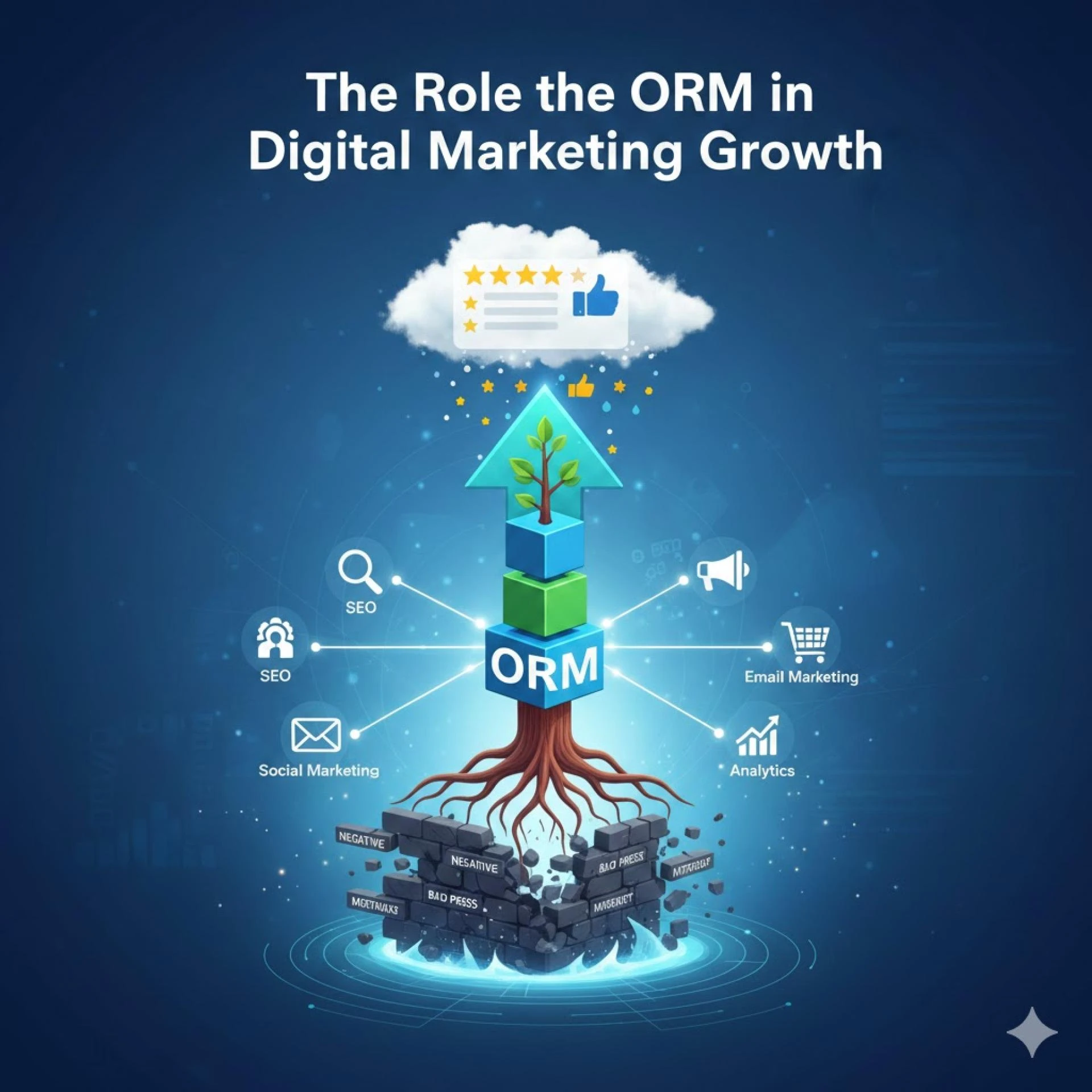

In today’s hyperconnected world, a brand’s reputation can determine its success long before a customer clicks “Buy Now,” fills out a form, or even lands on its website. Digital experiences shape perceptions, trust, and ultimately—buyer decisions. Because of this evolution, Online Reputation Management services (ORM) has become one of the most crucial pillars of modern digital marketing.
The digital marketplace is crowded. Consumers are more informed than ever. Competitors are always just a click away. And customers, influencers, and even critics now control large parts of the online conversation. In such an environment, a brand’s reputation is no longer simply a PR concern—it is the foundation of business growth, customer trust, and digital influence.
Whether a business is scaling its digital presence, launching new products, or improving brand recognition, ORM fuels every stage of digital marketing growth. In this comprehensive article, we’ll explore the role of ORM in digital marketing, how it strengthens brand visibility, converts customers, influences SEO, and builds long-term trust.
What Is Online Reputation Management (ORM)?
Online Reputation Management is the practice of:
- Monitoring what people say about your brand online
- Improving public perception
- Managing negative reviews or feedback
- Building positive content
- Influencing how your brand appears in search results
- Responding to customer complaints and mentions
- Strengthening trust through transparency
ORM shapes how people feel and think about your business when they see your name online. This includes:
- Search engine results
- Social media comments
- Review platforms
- News articles
- Forums and communities
- Influencer opinions
- Customer testimonials
- Brand mentions on blogs or podcasts
In the digital era, perception is reality—and ORM ensures that the online narrative aligns with your brand's values and mission.
Why ORM Is Now a Core Component of Digital Marketing
Digital marketing is no longer just about campaigns, ads, traffic generation, or conversions. It is equally about trust, credibility, and brand reputation. Without a positive online impression, all your digital marketing efforts—SEO, PPC, content, email campaigns—become less effective.
Here’s why ORM and digital marketing go hand-in-hand:
1. SEO and ORM Influence Each Other
Search engines index:
- Reviews
- Ratings
- Brand mentions
- Articles
- Social media signals
- Backlinks
Negative press or comments can damage SEO, while strong positive content boosts rankings.
2. Social Media Drives Public Perception
Your brand’s social activity:
- Influences customer trust
- Drives conversations
- Shapes brand visibility
- Impacts engagement metrics
ORM ensures social media activity supports the brand narrative.
3. Conversions Depend on Trust
90%+ of customers read reviews before buying.
ORM ensures positive sentiment, which leads to higher conversions.
4. Competitors Can Easily Influence Perception
Without ORM, competitors may dominate brand-related search terms or spread negative narratives.
5. Digital marketing growth depends on brand authority
Authority is built on:
- Positive mentions
- Thought leadership
- Content
- Public image
ORM strengthens all of these.
How ORM Impacts Digital Marketing Growth
Now let's break down the exact ways ORM drives and accelerates business growth in the digital era.
1. ORM Strengthens Brand Trust—The Most Valuable Digital Asset
Trust is the foundation of conversion, engagement, and retention.
When people search for your brand, the first thing they see shapes their entire perception. ORM ensures:
- Positive search results
- Trustworthy content
- High-quality reviews
- Authentic customer stories
- Transparent communication
Why trust matters so much:
- Consumers trust reviews more than ads
- People prefer brands with strong reputations
- Trust reduces customer hesitation
- A trusted brand gets more organic marketing
Digital marketing campaigns succeed when consumers already trust the brand behind them. ORM lays that foundation.
2. ORM Improves SEO Rankings and Search Visibility
Search engines reward brands with:
- Good user feedback
- Positive mentions
- Strong authority
- High engagement
- Accurate information
ORM and SEO are closely connected.
Ways ORM helps SEO:
✔ Positive content pushes negative results down
✔ Optimized brand profiles rank higher
✔ Review platforms boost local SEO
✔ High-authority mentions lead to quality backlinks
✔ Fresh, positive press improves brand queries
✔ Better click-through rates from positive impressions help rankings
✔ Reduced bounce rates signal trust to Google
When your reputation improves, your search engine rankings often improve with it—leading to more organic traffic.
3. ORM Strengthens Social Media Presence
Social media platforms are one of the biggest influencers of brand reputation. They shape how customers feel about your brand in real time.
ORM strategies for social media include:
- Managing negative comments professionally
- Engaging in customer conversations
- Monitoring tags and mentions
- Responding quickly to concerns
- Maintaining consistent brand messaging
- Reducing misinformation or misunderstandings
Why this helps digital marketing:
- Higher engagement
- Greater reach
- Improved brand relevance
- Better ad performance
- Increased customer trust
- Enhanced customer experience
A strong social presence boosts every other digital marketing channel.
4. ORM Increases Conversion Rates and Sales
Customers always research before buying. ORM directly influences purchasing decisions.
How ORM increases conversions:
- Positive reviews attract more buyers
- Negative feedback addressed professionally builds trust
- High ratings increase sales
- Strong online presence reduces buyer fear
- Case studies and testimonials provide social proof
- Good reputation makes pricing more flexible
Statistics consistently show:
- Brands with 4.5+ ratings convert better
- Businesses with strong ORM generate more leads
- Companies with poor reviews lose 20–80% of potential customers
ORM is a revenue generator, not just a PR function.
5. ORM Helps Manage Crisis Situations and Prevent Reputation Damage
A brand crisis can erupt from:
- A single negative review
- A viral tweet
- An unhappy customer video
- A controversial statement
- A competitor attack
- Fake news
- Employee behavior
With ORM:
- Issues are spotted early
- You control the narrative
- Crisis responses are professional
- Damage is minimized
- Customers see transparency
- Trust is rebuilt faster
Digital marketing cannot perform well during a reputation crisis. ORM ensures stability and prepares the brand for unexpected challenges.
6. ORM Enhances Customer Engagement and Loyalty
Customers stay loyal to brands that listen to them.
ORM fosters engagement by:
- Responding to feedback
- Solving customer problems
- Showing appreciation
- Engaging on social media
- Humanizing the brand
Loyal customers become:
- Repeat buyers
- Brand promoters
- Organic marketers
- Active reviewers
This directly boosts digital marketing efforts through:
- Word-of-mouth
- User-generated content
- Higher customer lifetime value (CLV)
7. ORM Increases Brand Authority and Thought Leadership
Digital authority is a major trust factor. With proper ORM, brands position themselves as leaders in their industry.
ORM content that builds authority:
- Press releases
- Blog posts
- News features
- Leadership interviews
- Expert articles
- Social thought leadership
Why it matters:
Authority drives:
- Higher rankings
- Better brand recall
- Increased customer confidence
- More inbound opportunities
- Stronger partnership potential
Authority is essential for long-term digital marketing growth.
8. ORM Boosts Local Visibility and “Near Me” Search Growth
For local businesses, ORM is often the deciding factor for success.
Local ORM involves:
- Managing Google Business Profile
- Improving local ratings and reviews
- Posting regular updates
- Ensuring consistent NAP info
- Responding to customer feedback
- Maintaining accurate business details
Local SEO and ORM work together to:
- Increase map visibility
- Improve local ranking
- Attract nearby customers
For restaurants, clinics, salons, realtors, or local services—ORM can be the biggest growth driver.
9. ORM Protects Brand Image Against Misinformation
The internet spreads misinformation quickly. Without proper ORM:
- Rumors spread
- Competitors manipulate narratives
- Trolls or anonymous users can mislead audiences
- Untrue blogs or articles may rank on Google
ORM tools and strategies ensure:
- False claims are addressed
- Negative pages are pushed down
- Correct information ranks higher
- The brand maintains credibility
Digital marketing cannot succeed when misinformation dominates search results. ORM restores accuracy and trust.
10. ORM Enhances Customer Experience (CX)
Today’s marketing environment values experience as much as product quality. ORM plays a critical role in shaping a customer’s journey.
Key ORM-driven improvements:
- Faster responses
- Transparent communication
- Personalized customer support
- Problem resolution in real-time
- Professional handling of criticism
Better customer experience results in:
- Higher retention
- Increased referrals
- Stronger brand love
- Positive online sentiment
This directly fuels digital marketing growth.
The Relationship Between ORM and Different Digital Marketing Channels
Let’s look at how ORM enhances major digital marketing components:
ORM + SEO (Search Engine Optimization)
- Positive content improves rankings
- Negative results are suppressed
- Reviews boost local SEO
- Brand searches increase rankings
- Strong reputation increases click-through rates
ORM + Social Media Marketing
- Better engagement
- More trust in promotions
- Reduced backlash
- Stronger influencer partnerships
- Higher reach from positive sentiment
ORM + Content Marketing
- ORM guides content tone and direction
- Builds credibility
- Increases authority
- Supports long-term visibility
ORM + Email Marketing
- Personalized interactions improve loyalty
- Trust increases open rates
- Customers are more responsive
ORM + PPC Advertising
Ads perform better when:
- Reviews are strong
- Trust is established
- Customer doubts are reduced
ORM + Branding
- Creates emotional connection
- Builds a positive identity
- Differentiates the brand from competitors
How Businesses Can Strengthen ORM to Accelerate Growth
Here are essential steps companies should take:
✔ Monitor online mentions regularly
✔ Respond to reviews quickly
✔ Create more high-quality, positive content
✔ Build strong Google Business Profile pages
✔ Use social media professionally
✔ Invest in SEO-driven ORM content
✔ Address negative sentiment proactively
✔ Build executive reputation profiles
✔ Encourage real customer reviews
✔ Engage with the audience transparently
ORM isn’t a one-time fix. It’s an ongoing strategy that evolves with the brand.
Future of ORM in Digital Marketing
ORM will only become more important as:
- AI-generated content rises
- Consumers demand transparency
- Search engines prioritize credibility
- Influencer voices grow stronger
- Personal brands affect corporate brands
- Social activism shapes buying decisions
In the next decade, digital marketing success will heavily rely on how effectively a brand manages its online reputation.
Final Thoughts
ORM is not just about hiding negative reviews or responding to complaints—it is the heart of digital marketing growth.
It influences:
- SEO
- Trust
- Conversions
- Social presence
- Branding
- Customer loyalty
- Sales performance
- Long-term business credibility
A strong online reputation elevates every marketing effort.
A weak one destroys it.
Brands that invest in ORM will stand out—those that ignore it risk disappearing in a crowded digital marketplace.





























Sign in to leave a comment.