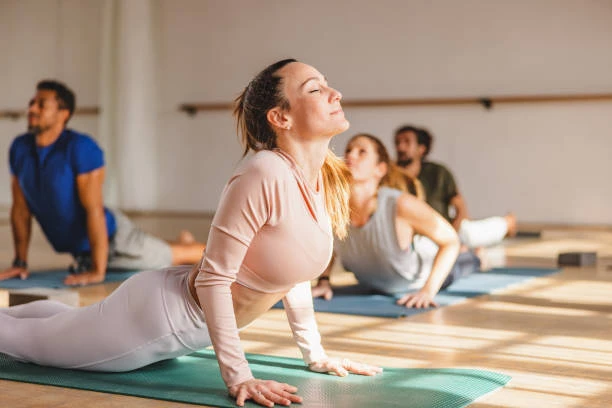

Back pain is one of the most common physical ailments affecting millions of people globally. Whether it's due to prolonged sitting, poor posture, or injuries, back pain can significantly impact daily life. In recent years, Pilates has emerged as a popular and effective method to alleviate back pain and improve overall spinal health. For individuals in the UK, particularly those seeking London Pilates classes, this low-impact exercise offers a tailored approach to achieving relief while promoting long-term well-being.
Understanding Pilates
Pilates is a form of exercise developed by Joseph Pilates in the early 20th century, focusing on core strength, flexibility, and controlled movements. Unlike high-intensity workouts, Pilates emphasises precision and alignment, making it suitable for individuals of all fitness levels, including those with chronic back pain.
The essence of Pilates lies in building a strong core, which is often referred to as the "powerhouse" of the body. The core muscles include the abdominals, pelvic floor, and muscles supporting the lower back and spine. By strengthening these muscles, Pilates provides the support needed to reduce strain on the back.
Why Back Pain Occurs
Back pain can result from a variety of causes, including:
- Poor Posture: Sitting for long periods, especially in improper positions, can stress the spine.
- Weak Core Muscles: Without adequate core strength, the lower back often compensates, leading to discomfort.
- Muscle Imbalances: Overuse or underuse of certain muscles can create tension and pain.
- Injuries: Accidents, sports injuries, or sudden movements can lead to back pain.
- Chronic Conditions: Issues like herniated discs, scoliosis, or arthritis can contribute to persistent pain.
Pilates addresses these root causes by realigning the body, enhancing flexibility, and strengthening muscles to prevent future issues.
How Pilates Relieves Back Pain
- Strengthens Core Muscles
- Pilates exercises target the deep core muscles, providing stabilisation for the spine. A strong core reduces the load on the lower back, preventing strain and discomfort during daily movements.
- Improves Posture
- Many back pain issues stem from slouching or improper posture. Pilates focuses on body awareness and alignment, helping individuals adopt healthier postural habits.
- Enhances Flexibility
- Tight muscles, particularly in the lower back, hamstrings, and hips, can exacerbate back pain. Pilates stretches these muscles gently, increasing flexibility and reducing tension.
- Encourages Mind-Body Connection
- Pilates emphasises controlled breathing and mindfulness, allowing participants to understand and address their physical limitations. This awareness helps in avoiding movements that might worsen back pain.
- Customisable for Specific Needs
- Whether performed on a mat or using specialised equipment like reformers, Pilates routines can be tailored to suit individual conditions and fitness levels, making it ideal for those with chronic or acute back pain.
Key Pilates Exercises for Back Pain
Here are some effective Pilates exercises that focus on relieving back pain:
- Pelvic Tilt
- This gentle movement helps release tension in the lower back while strengthening the abdominal muscles.
- Lie on your back with knees bent and feet flat on the floor.
- Engage your core and slowly tilt your pelvis upward, flattening your lower back against the mat.
- Hold for a few seconds and return to the starting position.
- Cat-Cow Stretch
- This exercise improves spinal mobility and reduces stiffness.
- Start on all fours, with hands under shoulders and knees under hips.
- Inhale and arch your back (Cow Pose), lifting your head and tailbone.
- Exhale and round your back (Cat Pose), tucking your chin and pelvis.
- Spine Stretch Forward
- This movement stretches the spine while improving flexibility in the back and hamstrings.
- Sit on the mat with legs extended straight and feet flexed.
- Extend your arms forward and slowly reach toward your toes, keeping the spine straight.
- Return to the starting position with control.
- Bridging
- Bridging strengthens the glutes and lower back, promoting spinal stability.
- Lie on your back with knees bent and feet flat.
- Press through your heels to lift your hips toward the ceiling, forming a bridge.
- Lower slowly to the mat.
- Swimming
- This dynamic exercise strengthens the back muscles and promotes coordination.
- Lie face down with arms extended in front and legs straight.
- Lift opposite arm and leg, then alternate sides in a swimming motion.
Benefits of Practising Pilates in London
London offers a diverse range of Pilates studios with expert instructors who specialise in addressing back pain. From personalised one-on-one sessions to group classes, London Pilates studios cater to all levels. Additionally, many instructors in the city are trained to work with individuals recovering from injuries, ensuring safe and effective practices.
The city’s fast-paced lifestyle often contributes to stress and back issues, making Pilates a valuable tool for relaxation and physical health. Whether you’re a busy professional or simply looking to improve your quality of life, a dedicated Pilates programme in London can make a significant difference.
Precautions to Take Before Starting Pilates
- Consult a Professional: If you have severe or chronic back pain, consult a medical professional or physiotherapist before starting Pilates.
- Choose the Right Instructor: Look for certified instructors experienced in managing back pain.
- Start Slow: Begin with basic movements to allow your body to adapt.
- Listen to Your Body: Avoid exercises that cause pain or discomfort.
FAQs
- Can I practise Pilates if I have a herniated disc?
- Yes, but it’s essential to work with an experienced instructor who can modify exercises to avoid further strain on the spine.
- How quickly will I notice a reduction in back pain with Pilates?
- Most individuals report improvements within a few weeks of consistent practice, but results vary based on the severity of the pain and frequency of sessions.
- Is Pilates better than yoga for back pain?
- While both are beneficial, Pilates focuses more on core strength and alignment, making it particularly effective for relieving back pain.
- Do I need equipment for Pilates to help with back pain?
- No, mat-based Pilates is highly effective. However, equipment like reformers can enhance the experience and provide additional support.
- Are London Pilates classes suitable for older adults with back pain?
- Absolutely! Many London studios offer classes specifically designed for seniors, focusing on gentle movements and improving mobility.
Conclusion
Pilates is an excellent solution for managing and relieving back pain. Its emphasis on core strength, flexibility, and posture correction addresses the root causes of discomfort. With the availability of expert London Pilates classes, individuals can find tailored guidance to improve their spinal health and overall quality of life. Whether you’re new to Pilates or looking to deepen your practice, incorporating it into your routine can lead to lasting relief and a stronger, healthier back.











Sign in to leave a comment.