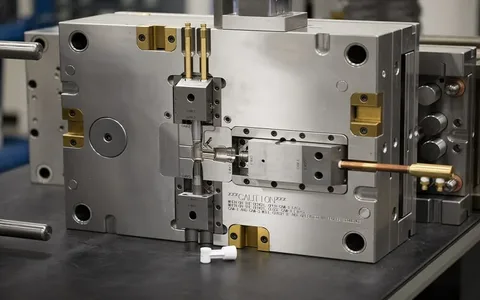

Plastic Injection Molding has become one of the most transformative manufacturing techniques across industries that require precision, durability, and large-scale production. In particular, the automotive and aerospace industries have increasingly adopted this technology due to its ability to produce lightweight, high-strength, and cost-efficient components. As both sectors continue to demand innovation, safety, and sustainability, Plastic Injection Molding stands at the core of meeting these needs.
By enabling mass production of intricate parts with consistent quality, Plastic Injection Molding ensures that automotive and aerospace companies can deliver advanced designs without compromising on performance. From safety-critical components to aesthetic interior fittings, the process has revolutionized how vehicles and aircraft are designed and built. This article explores the crucial role Plastic Injection Molding plays in these industries, focusing on its applications, benefits, and future potential.
Importance of Plastic Injection Molding in Automotive Manufacturing
Plastic Injection Molding has transformed the automotive sector by enabling the production of lightweight components that improve fuel efficiency and reduce emissions. Modern cars rely heavily on molded plastics for dashboards, bumpers, door panels, and even under-the-hood parts like engine covers and fluid reservoirs. The versatility of the molding process allows automakers to integrate multiple functions into a single component, minimizing assembly steps and manufacturing costs.
Additionally, the ability to customize designs gives automotive companies the freedom to innovate and meet evolving consumer preferences. For instance, the demand for electric vehicles has fueled the need for more lightweight plastic parts that enhance battery performance and reduce overall weight. With Plastic Injection Molding, manufacturers can achieve high precision and durability while maintaining competitive pricing in the automotive market.
Applications of Plastic Injection Molding in Aerospace Engineering
The aerospace industry requires components that meet stringent safety and performance standards, and Plastic Injection Molding has become an indispensable tool in achieving these goals. Molded plastic parts are used in cabin interiors, such as seat components, overhead compartments, and ventilation systems. These components must be both lightweight and strong to ensure passenger comfort while optimizing fuel efficiency.
Beyond interiors, aerospace engineers also rely on injection-molded plastics for electrical housings, brackets, and fasteners that must withstand extreme conditions. The precision and repeatability of Plastic Injection Molding ensure that every part meets regulatory requirements, reducing the margin for error. By replacing traditional metal parts with high-performance plastics, the industry achieves significant weight reduction without compromising safety or durability.
Advantages of Plastic Injection Molding for Both Industries
One of the most significant advantages of Plastic Injection Molding is its cost-effectiveness, particularly for high-volume production. Once a mold is created, thousands or even millions of identical parts can be produced quickly and consistently. This efficiency is invaluable in the automotive and aerospace industries, where large quantities of precision parts are required. Moreover, the process allows for the use of advanced polymers that offer strength, heat resistance, and flame retardancy, making them suitable for demanding applications.
Another advantage is the flexibility in design. Automotive and aerospace manufacturers can create complex geometries that would be challenging or impossible with traditional manufacturing methods. Integrated features, such as snap-fits or built-in hinges, reduce the need for secondary assembly and improve overall efficiency. This design freedom supports innovation, helping companies meet performance targets while staying ahead in highly competitive markets.
Enhancing Safety and Performance Through Injection Molding
Safety is a top priority in both automotive and aerospace industries, and Plastic Injection Molding plays a pivotal role in ensuring compliance with strict regulations. For example, plastics used in these sectors often undergo rigorous testing to meet flammability and impact resistance standards. Injection molding allows the production of components with consistent mechanical properties, ensuring reliability under stress.
Performance is equally important, and plastic components must withstand exposure to heat, chemicals, and mechanical loads. Advanced materials like glass-filled nylon or high-temperature thermoplastics provide the necessary strength and resilience. By leveraging the capabilities of Plastic Injection Molding, manufacturers can balance weight reduction with performance, delivering safer and more efficient vehicles and aircraft.
Future Outlook
As sustainability becomes a global priority, the future of Plastic Injection Molding in automotive and aerospace industries will focus on eco-friendly materials and energy-efficient processes. Biodegradable polymers and recycled plastics are gaining traction as manufacturers aim to reduce environmental impact. Injection molding machines themselves are also evolving, with energy-saving technologies that lower carbon emissions.
In addition, technological advancements such as 3D printing integration and digital mold design are reshaping the landscape of Plastic Injection Molding. These innovations allow for faster prototyping, reduced material waste, and enhanced customization. For industries as dynamic as automotive and aerospace, embracing these advancements ensures they remain at the forefront of innovation while addressing sustainability challenges.
Conclusion
Plastic Injection Molding has cemented its place as a cornerstone of modern manufacturing in both automotive and aerospace industries. Its ability to produce lightweight, durable, and cost-effective components has enabled these sectors to achieve greater efficiency, safety, and innovation. From interior design elements to high-performance structural parts, the process continues to drive progress in meeting the evolving demands of consumers and regulators alike.

























Sign in to leave a comment.