When you think about a roof’s durability, you probably picture strong shingles, flashing, and underlayment. But one of the most important parts of an asphalt shingle roof is something you rarely notice the sealant strip. This narrow line of adhesive may seem like a small detail, but it plays a huge role in how long your roof lasts and how well it stands up to tough weather. At Republic Exteriors, your trusted roofing contractor in Tennessee, we know that great roofs are built on great details and the sealant strip is one detail that deserves a closer look.
What Exactly Are Sealant Strips?
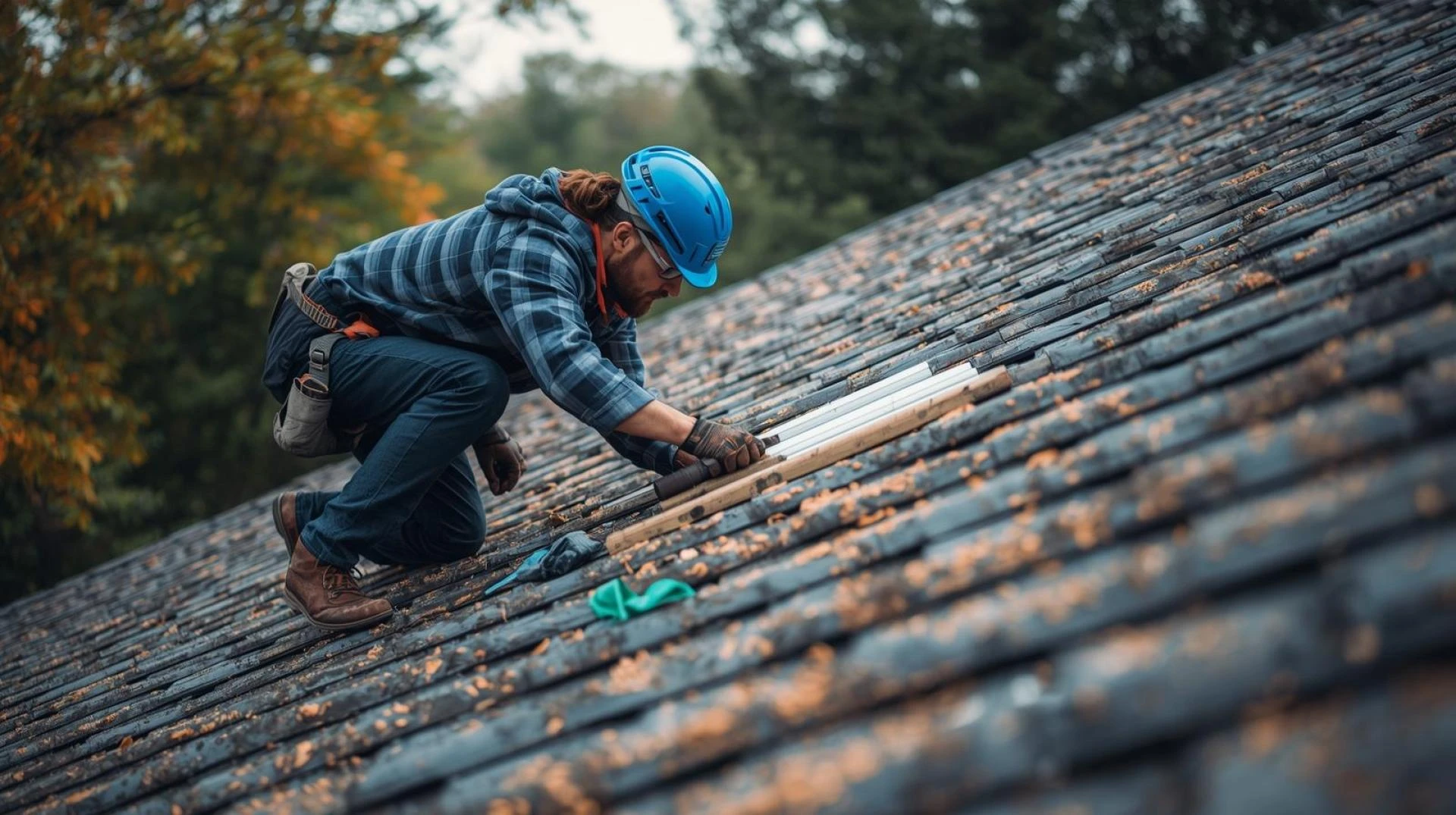
Sealant strips are thin adhesive layers applied to shingles during manufacturing. Once your roofing contractor installs your new roof, these strips get activated by heat from the sun. As the temperature rises, the adhesive softens, bonding one shingle to the next. This creates a continuous, watertight layer that locks shingles tightly together across the entire roof.
You’ll find these strips located under each shingle tab, aligning perfectly with the top surface of the shingle beneath it. When properly sealed, the result is a clean, uniform surface that not only looks sharp but also performs exceptionally well under stress.
Why Sealant Strips Matter More Than You Might Think
You could say that sealant strips are the “unsung heroes” of an asphalt shingle roof. They do much more than just stick things together. Here’s how they make a difference:
1. Stronger Wind Resistance
Ever heard shingles flapping during a storm? That’s often a sign the sealant isn’t doing its job. A strong sealant bond creates a unified surface that resists wind uplift. When shingles stay tight and secure, high winds can’t get underneath and rip them off — saving you from costly repairs or premature replacement.
2. Better Moisture Protection
A sealed shingle lies flat, leaving no gaps where water can sneak through. Whether it’s rain, snow, or melting ice, sealant strips help prevent moisture from finding its way under your roofing materials. That’s key to avoiding leaks, mold, and rotted decking all things that can turn a simple problem into a major headache.
3. Improved Energy Efficiency
Sealant strips don’t insulate directly, but they do help keep air where it belongs. When shingles are properly bonded, there’s less chance of air leaks that can affect attic temperatures. Over time, that can support better overall home energy efficiency something every homeowner appreciates when the utility bill arrives.
4. Noise Reduction
Nothing’s worse than hearing your roof rattle every time the wind kicks up. Sealant strips keep shingles snug and flat, reducing that annoying flapping noise and giving your home a quieter, more peaceful atmosphere.
The Science Behind the Bond
Once a roofing contractor installs a new roof, the sealant doesn’t bond instantly. The process takes time — usually a few days to a few weeks, depending on sunlight and weather conditions. On warm, sunny days, the heat activates the adhesive, helping it grip tightly. As it cools, the bond hardens, locking the shingles together.
If your roof goes on during cooler months, don’t worry. The sealant will still activate it might just take a little longer. Experienced roofing contractors like Republic Exteriors understand how to manage seasonal installation challenges to make sure every roof seals properly, no matter the temperature.
When Sealant Strips Start to Fail
Like everything else on your roof, sealant strips can weaken over time. Exposure to heat, cold, wind, and debris can wear them down. Dirt or moss buildup can interfere with adhesion. Eventually, shingles might start to lift or curl at the edges a telltale sign that the seal is breaking down.
Once that happens, wind can work its way under the shingles, causing them to loosen or tear. Even a small gap can allow moisture to seep in, which can lead to leaks or long-term water damage. The good news? Catching these issues early makes them easy to fix. A quick inspection from your roofing contractor can identify weak spots and reseal or replace problem areas before things get worse.
What Affects Sealant Performance?
Several factors influence how well a sealant strip performs over time:
- Temperature changes: Extreme heat and cold cause materials to expand and contract, slowly weakening the adhesive.
- Debris and dirt: Dust or buildup on the shingle surface can prevent proper bonding during installation.
- Improper installation: If nails are overdriven or shingles are misaligned, they won’t sit flat, making it tough for the sealant to do its job.
- Aging shingles: As asphalt shingles age, their texture changes and granules loosen, which can reduce adhesion strength.
That’s why it’s so important to hire an experienced roofing contractor who understands not just how to install a roof, but how to make every detail down to the sealant strips count.
Keeping Your Roof Sealed and Secure
You don’t have to be a roofing pro to help your roof last longer. Here are a few smart maintenance tips homeowners can follow:
- Keep it clean. Sweep away leaves, dirt, and branches that might block sunlight or trap moisture on the roof surface.
- Schedule regular inspections. After major storms or at least once a year, have your roof checked by a trusted roofing contractor like Republic Exteriors.
- Watch for lifted shingles. If you spot curled edges or slight lifting, call in a professional before the problem spreads.
- Don’t delay repairs. A small fix today can prevent a big, expensive issue tomorrow.
- Consider re-sealing when needed. Over time, sealants can lose their tackiness. Reapplying adhesive or replacing a few shingles can restore your roof’s protective barrier.
The Role of Sealants in Commercial Roofing
While sealant strips are common in residential asphalt shingles, commercial buildings rely on sealants in a slightly different way. In commercial roofing, adhesives and sealants help bond membranes, seams, and flashing. Whether it’s TPO, EPDM, or modified bitumen, these materials depend on strong sealant bonds to stay watertight.
At Republic Exteriors, our commercial roofing team understands how critical proper sealing is for flat or low-slope roofs. A single weak seam can lead to major leaks and energy loss. That’s why we use high-performance materials and expert application methods to ensure your business stays dry, efficient, and protected year-round.
Partner with a Roofing Contractor Who Pays Attention to Detail
Every roof, whether residential or commercial, is only as strong as its smallest components. Sealant strips might not get much attention, but they’re a big reason your shingles stay put during storms, your attic stays dry after rain, and your roof lasts for decades.
When you choose Republic Exteriors, you’re choosing a roofing contractor who treats every layer, nail, and adhesive line as part of a long-term investment in your home or business. Our experienced crew understands that quality craftsmanship isn’t just about appearance — it’s about performance, protection, and peace of mind.
Ready to protect your home or business with a roof built to last?
Contact Republic Exteriors today at +1 (901) 446-3651 or visit republicexteriors.com to schedule a free consultation. We proudly serve Arlington, Bartlett, Collierville, Cordova, Germantown, Lakeland, Memphis, Oakland, Rossville, and Somerville, TN.



























Sign in to leave a comment.