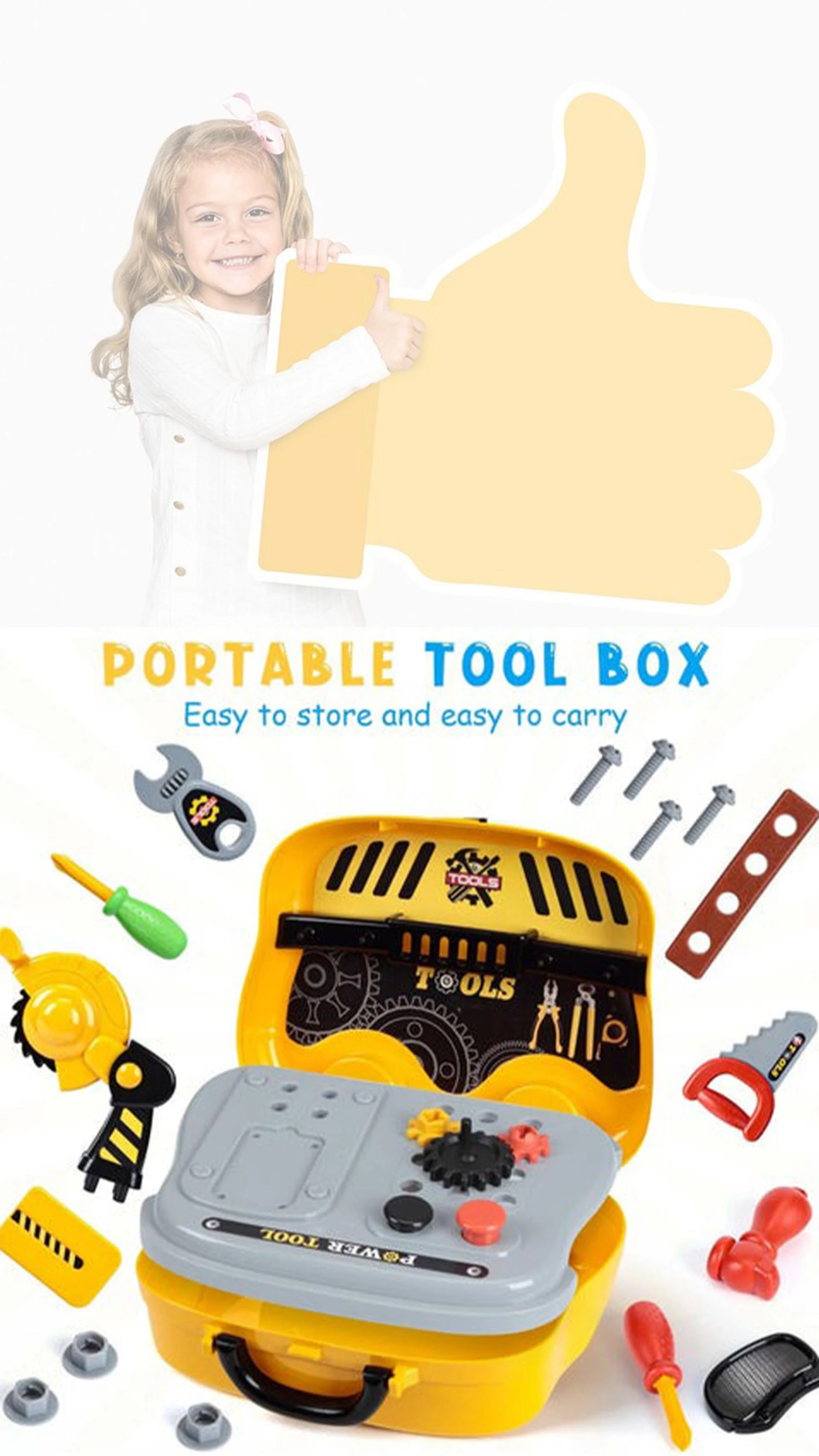

One effective way to foster creativity, problem-solving abilities, and critical thinking is through STEM (Science, Technology, Engineering, and Mathematics) toys. These educational tools provide hands-on learning experiences that nurture the innovators of tomorrow.
What Are STEM Toys?
STEM toys are specifically designed to introduce children to scientific and mathematical concepts in an engaging and interactive manner. Unlike traditional toys, STEM toys often involve building structures, conducting experiments, coding robots, or exploring mechanics. They bridge the gap between play and education, making learning enjoyable and accessible.
How STEM Toys Foster Innovation
- Enhance Problem-Solving Skills: STEM toys often involve challenges that require logical thinking and experimentation. Whether it's constructing a bridge with building blocks or coding a robot to navigate obstacles, kids learn to analyze problems and find effective solutions.
- Encourage Creativity and Imagination: By providing opportunities for open-ended play, STEM toys empower children to think creatively. Building models, designing circuits, or programming animations allows kids to explore limitless possibilities.
- Promote Hands-On Learning: Children grasp concepts better through experiential learning. STEM toys provide practical experiences, helping kids apply theoretical knowledge to real-world scenarios.
- Develop Critical Thinking: Critical thinking involves evaluating information, identifying patterns, and making reasoned decisions. Through trial and error, kids develop resilience and perseverance, essential traits for future innovators.
- Introduce Coding and Robotics: Coding kits and robotic toys teach basic programming languages and logical sequences. Learning to code from an early age nurtures computational thinking, a skill highly valued in the digital age.
Age-Appropriate STEM Toys
- Toddlers (Ages 1-3): Simple stacking blocks, shape sorters, and sensory science kits are ideal.
- Preschoolers (Ages 4-6): Magnetic building tiles, introductory coding toys, and beginner science experiment kits are beneficial.
- School-Age Children (Ages 7-12): Robotics kits, engineering sets, chemistry experiment kits, and interactive coding games are great options.
- Teens (Ages 13+): Advanced robotics systems, coding platforms, and 3D printing kits offer more complex challenges.
Real-World Impact of STEM Learning
STEM toys play a significant role in preparing children for future careers in technology, engineering, and scientific research. Many innovative companies and research labs are built upon foundational STEM principles. Encouraging kids to explore these fields early can spark a lifelong interest in innovation and discovery.
Furthermore, STEM learning fosters collaboration, teamwork, and effective communication—skills essential in any professional setting.
Conclusion
Investing in STEM toys is not just about keeping children entertained; it’s about nurturing their potential as future innovators. By introducing kids to interactive and educational toys that challenge their thinking, parents and educators can inspire a generation of problem-solvers and creators. Whether it’s building a robot, coding a game, or designing a bridge, every playtime becomes an opportunity for discovery and growth.
Encourage your child to explore the world of STEM toys and watch their creativity and curiosity soar!





























Sign in to leave a comment.