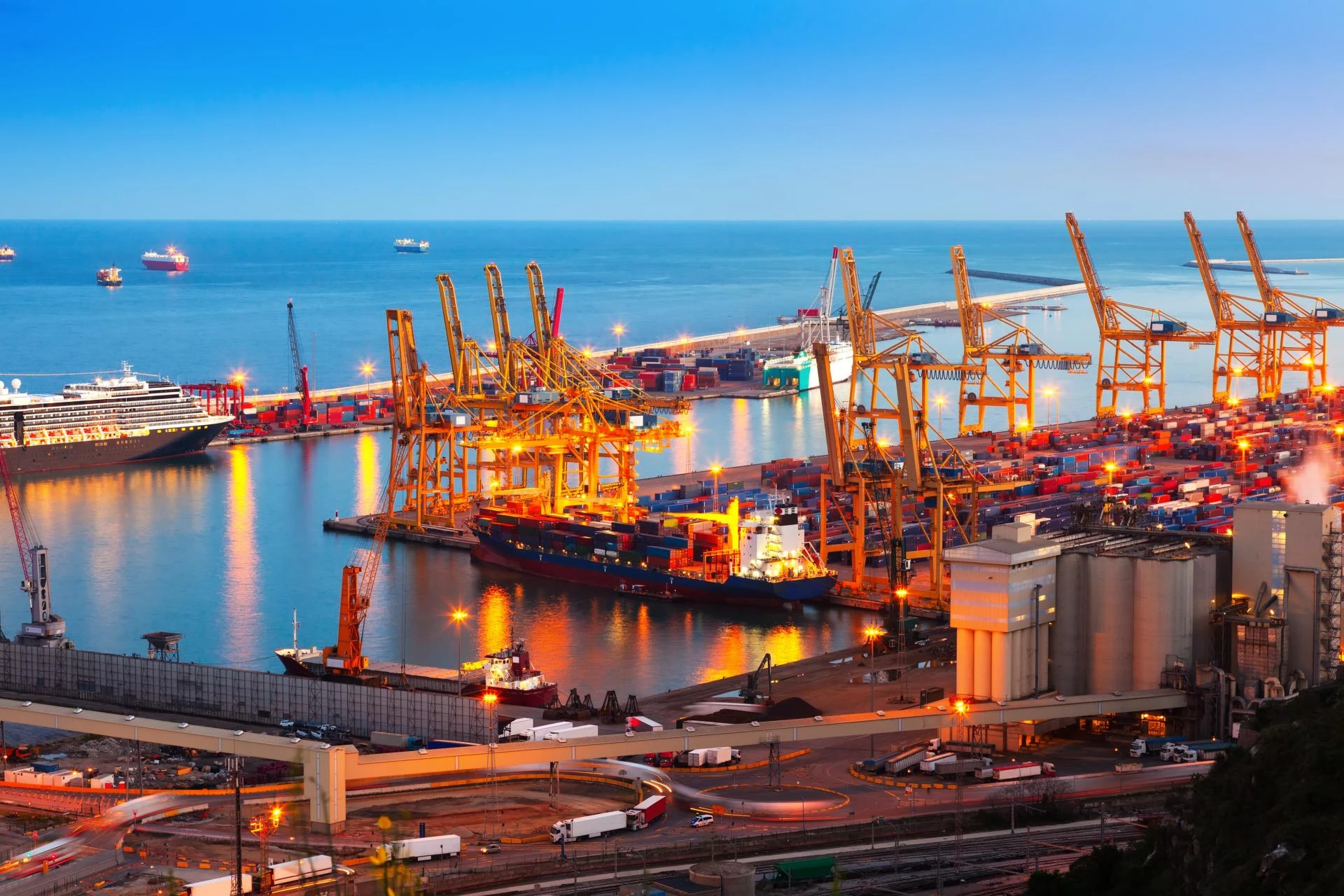

Dubai has gained recognition as a top city in the UAE, with the most advanced logistics. It has become a global hub for trade, connecting the East with the West. A crucial gateway, it enables the smooth flow of goods across borders, facilitating essential trade between Asia, Europe, and Africa. The chief reason that has enabled the trading process is the adoption of top-notch and latest technologies. The rapid advancement of technology has revolutionized the freight forwarding industry, making shipping easier and hassle-free. Digital integration and technological support are not just an option in this era, characterized by a continuous increase in global logistics complications, but a necessity.
The freight forwarding market in the UAE generated a revenue of USD 6,753.5 million in 2023, which is expected to reach USD 8,639.0 million by 2030. The reasons for such massive growth are due to various factors, especially the use of technology such as IoT and blockchain, along with automation. The adoption of cutting-edge technologies is reshaping how Freight forwarders in Dubai operate. Right from simplifying the customs process to enabling real-time cargo tracking and documentation through automation, the entire process is streamlined. As a result, it is driving faster and more reliable deliveries. Aligning with innovation is increasingly necessary for ensuring long-term success.
What is the Impact of Technology on Freight Forwarding in Dubai?
The role of technology in modern freight forwarding services is evolving faster than ever before. It has completely transformed the traditional process, which was previously driven manually, into a digitally operated system. Not only has it enhanced the speed of deliveries, but it has also boosted productivity across the supply chain while reducing major errors that are expensive. The integration of digital tools, such as predictive analytics and real-time visibility, has transformed cargo management into a more precise, responsive, and transparent process. In Dubai’s dynamic logistics sector, technology is no longer an advantage but a necessity. Freight forwarders operating in this hub rely on innovation to streamline operations, reduce delays, and stay aligned with the changing demands of global trade.
#1 Digital Freight Platforms and Automation
By utilizing digital platforms like websites, freight forwarders in Dubai can automate a wide range of services, including invoicing, booking, and documentation. These platforms help shippers obtain competitive rates and enable real-time tracking, which is both transparent and accurate. Additionally, it prevents administrative delays and reduces manual errors while ensuring centralized document management.
#2 Artificial Intelligence and Predictive Analytics
AI tools are now helping to manage logistics more smoothly. They can predict changes in demand, select the most efficient shipping routes, and alert users about potential delays. This helps freight forwarders to utilize resources efficiently, combine loads, and adhere to delivery schedules, which is especially important in busy areas like Jebel Ali Port and similar logistics hubs.
#3 IoT and Real-Time Cargo Tracking
Smart sensors and GPS tools powered by the Internet of Things, or IoT, make it possible to track containers and shipments in real-time. Essential details, such as location, temperature, humidity, and any security issues, can now be closely monitored during transport. This helps protect items that require special care, such as medications, perishable food, and electronic devices.
#4 Blockchain for Secure Documentation
Blockchain is making global trade safer and faster. It helps prevent fraud, keeps data secure, and speeds up the documentation. Smart contracts and digital documents are replacing paper files. Dubai Customs is testing blockchain technology to enhance trade systems and make every step more transparent for all parties involved.
What are the Advantages of Technology-Driven Freight Forwarding in Dubai?
Dubai, which is renowned for its innovation, has established itself as a global logistics hub. However, this popularity is due to both the city's strategic geographical location and the rising innovation driving its growth. Freight forwarding companies have been relying on technological advancements to ensure faster, smarter, and more reliable shipping services for their customers. It also enhances the daily efficiency and long-term sustainability of companies in the logistics industry.
The benefits of adopting technologies by the freight forwarders in Dubai are listed below:
Improved Efficiency and Speed
With automated systems accelerating documentation, bookings, and customs processes, Dubai-based freight forwarders, particularly those based at Jebel Ali and Dubai South, gain significant time advantages. Additionally, the streamlined operations enable quicker cargo handling and less administrative complexity across frequent global trade routes.
Enhanced Cargo Visibility and Customer Satisfaction
The IoT and real-time tracking feature enable the clients to view and access live shipping progress, improving overall communication and providing timely updates. It also ensures transparent delivery timelines and disruptions and establishes more trustworthy and stronger logistics partnerships across international borders.
Cost Optimization
By opting for modern digital tools driven by cutting-edge technologies, freight forwarders in Dubai streamline their operations, reducing manual work and optimizing routes. The use of predictive analytics and AI can help prevent inefficiencies, balance out the cargo loads efficiently, and improve overall profitability.
Regulatory Compliance and Reduced Risk
The digital systems and blockchain technology streamline the compliance process by automating documentation and reducing errors, thereby adhering to customs regulations and international trade standards. Dubai’s complex logistics landscape enables shipping through both Free Zones and non-Free Zones, ensuring consistent compliance with various regulations.
Scalability and Future-Readiness
The cloud platforms, as well as the modular freight software and tools, help in scaling operations to cater to the rising demands. The technology makes sure that flexibility and agility remain intact so as to navigate unexpected disruptions, such as port congestion or even major issues.
Final Thoughts
Freight forwarding in Dubai is undergoing rapid changes with the rise of digital tools, including automation, smart data utilisation, IoT, and blockchain. With global trade growing and expectations rising, using these technologies helps freight forwarders in Dubai stay fast, flexible, and competitive in the market. Smart logistics systems also improve how services are delivered and support Dubai’s goal to lead in smart trade and logistics, not just domestically but internationally. Adopting technological transformations is no longer optional, as it plays a key role in building a strong future for freight forwarding in this region.



























Sign in to leave a comment.