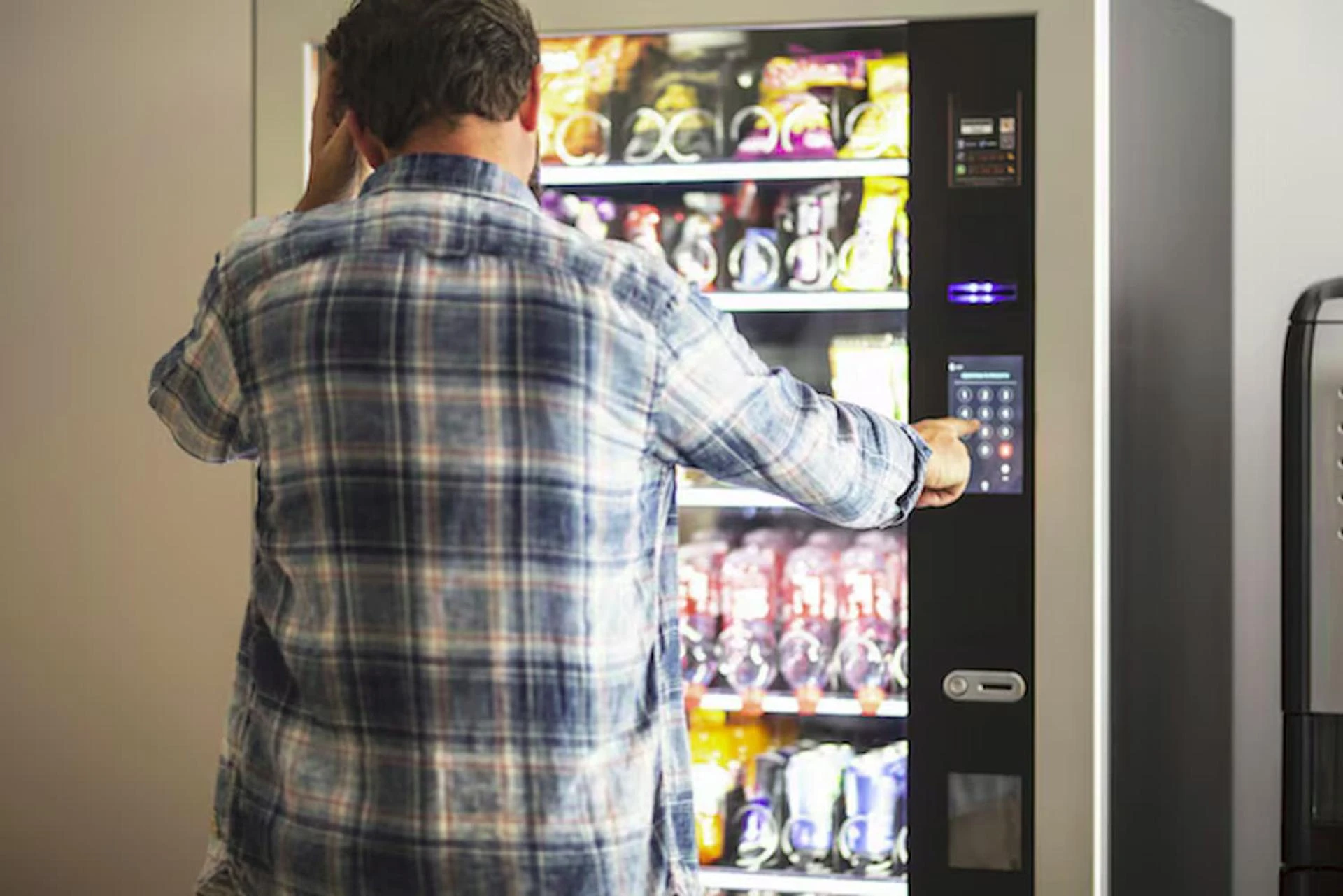

In the modern business landscape, technology continues to transform industries in remarkable ways, and vending companies are no exception. What was once a simple system of dispensing snacks and beverages has evolved into a highly advanced and data driven service. Today’s vending machines are smarter, faster, and more user friendly, offering enhanced experiences for both businesses and consumers. With the integration of digital tools, automation, and connectivity, vending services have become more efficient and reliable than ever before. Technology plays a central role in shaping how vending operations function and how they meet the growing expectations of users.
Smart Vending Machines and Automation
Technology has revolutionized vending machines by introducing automation and intelligent systems. These advancements allow machines to operate more efficiently while providing a seamless experience for users. Smart vending machines are now capable of performing tasks that were once managed manually.
Touchscreen Interfaces
Modern vending machines are equipped with touchscreen displays that enhance user interaction. These screens provide clear product information, pricing, and nutritional details in an easy to understand format. Customers can browse through options quickly and make informed decisions. The intuitive design makes the purchasing process smooth and enjoyable. Touchscreens also allow for dynamic content such as promotions and advertisements. This creates an engaging experience that encourages repeat usage.
Automated Dispensing Systems
Automation has improved the accuracy and speed of product dispensing. Advanced sensors ensure that the correct item is delivered every time. This reduces errors and enhances customer satisfaction. Automated systems also monitor internal processes to maintain efficiency. They help detect issues such as blockages or low stock levels. This level of precision ensures reliable performance and minimizes downtime.
Cashless Payment Solutions
The shift toward digital payments has significantly impacted the vending industry. Cashless systems provide convenience and flexibility, making transactions faster and more secure. This has become an essential feature in modern vending services.
Mobile Payment Integration
Vending machines now support mobile payment options, allowing users to pay using smartphones. This includes digital wallets and contactless payment methods. The convenience of tapping a phone to complete a transaction appeals to modern consumers. It eliminates the need for carrying cash or coins. This feature also speeds up the purchasing process. As a result, it enhances the overall user experience.
Card Payment Systems
Credit and debit card acceptance has become a standard feature in vending machines. Users can make quick and secure payments without hassle. This expands the accessibility of vending services to a wider audience. Card systems are reliable and easy to use, making them a preferred choice for many customers. They also reduce the risks associated with handling cash. This contributes to safer and more efficient operations.
Data Analytics and Inventory Management
Data driven decision making is one of the most significant benefits of technology in vending operations. Advanced analytics help operators understand customer behavior and optimize their services accordingly.
Real Time Inventory Tracking
Modern vending machines are equipped with sensors that track inventory levels in real time. This allows operators to monitor stock remotely and plan restocking schedules efficiently. It prevents machines from running out of popular items. Real time tracking also reduces unnecessary visits for refilling. This improves operational efficiency and saves time. Businesses benefit from consistently well stocked machines.
Consumer Behavior Insights
Data analytics provide valuable insights into purchasing patterns and preferences. Operators can analyze which products are most popular and at what times they are purchased. This information helps in customizing product offerings to meet user demands. Understanding consumer behavior leads to better decision making. It also enhances customer satisfaction by providing relevant options. Over time, this results in increased sales and profitability.
Remote Monitoring and Maintenance
Technology has made it possible to manage vending machines remotely, reducing the need for constant on site supervision. This capability ensures smoother operations and faster problem resolution.
Machine Performance Monitoring
Remote monitoring systems allow operators to track the performance of vending machines from a central location. They can receive alerts about technical issues or malfunctions immediately. This enables quick action to resolve problems before they escalate. Continuous monitoring ensures that machines operate efficiently at all times. It also helps maintain a high level of service quality. Businesses benefit from reduced downtime and improved reliability.
Predictive Maintenance
Predictive maintenance uses data and analytics to anticipate potential issues before they occur. By analyzing machine performance, operators can identify signs of wear or malfunction. This allows for timely maintenance and prevents unexpected breakdowns. Predictive systems reduce repair costs and extend the lifespan of machines. They also ensure uninterrupted service for users. This proactive approach enhances overall efficiency.
Internet of Things and Connectivity
The integration of the Internet of Things has transformed vending machines into connected devices. This connectivity enables seamless communication between machines and operators.
Connected Vending Networks
IoT technology allows vending machines to be part of a connected network. Operators can manage multiple machines from a single platform. This centralized control simplifies operations and improves efficiency. Connected networks enable real time updates and monitoring. They also allow for quick adjustments to inventory and pricing. This level of connectivity enhances overall management.
Remote Updates and Upgrades
Technology enables remote updates for vending machines, ensuring they remain up to date with the latest features. Operators can install software updates without visiting each machine individually. This saves time and resources. Remote upgrades also improve security and functionality. Machines can adapt to changing needs quickly. This flexibility ensures long term relevance in a competitive market.
Enhanced User Experience
Technology has significantly improved the overall user experience in vending services. Modern machines are designed to be more interactive, efficient, and user friendly.
Personalized Recommendations
Advanced systems can provide personalized product recommendations based on previous purchases. This creates a tailored experience for users. Personalized suggestions make it easier for customers to find what they want. It also encourages them to try new products. This feature enhances engagement and satisfaction. Over time, it builds customer loyalty.
Faster Transaction Processes
Technology has streamlined the purchasing process, making it quicker and more efficient. Users can complete transactions in seconds without complications. This is especially important in high traffic areas where speed matters. Faster transactions reduce waiting times and improve convenience. This leads to a better overall experience. Customers are more likely to return to machines that offer quick service.
Sustainability and Energy Efficiency
Sustainability has become a key focus in modern vending operations. Technology plays a crucial role in reducing environmental impact and promoting eco friendly practices.
Energy Efficient Machines
New vending machines are designed to consume less energy while maintaining high performance. Features such as LED lighting and smart cooling systems help reduce power usage. Energy efficient machines lower operational costs for businesses. They also contribute to environmental conservation. This makes them a responsible choice for modern operations. Sustainability adds value to vending services.
Eco Friendly Practices
Technology enables the use of eco friendly materials and processes in vending operations. Machines can be programmed to reduce waste and optimize resource usage. Operators can track and manage environmental impact more effectively. This aligns with the growing demand for sustainable solutions. Eco friendly practices enhance the reputation of vending services. They also appeal to environmentally conscious consumers.
Conclusion
Technology has become the driving force behind the evolution of vending services, transforming them into efficient, intelligent, and user focused systems. From smart machines and cashless payments to data analytics and IoT connectivity, every aspect of vending operations has been enhanced through innovation. These advancements not only improve convenience for users but also help operators deliver better service and maximize profitability. As technology continues to evolve, vending services will become even more advanced and integrated into everyday life.
For those seeking reliable and modern vending solutions, Healthy Vending New York stands as a trusted name committed to delivering quality, innovation, and convenience.

























Sign in to leave a comment.