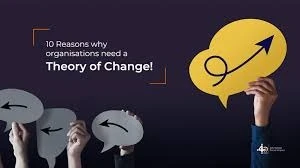

When it comes to efficiently managing non-profit organizations, crafting effective strategies that drive meaningful social impact is crucial. One powerful tool that has emerged as a cornerstone of non-profit strategy development is the Theory of Change. This strategic framework not only provides a clear roadmap for achieving goals but also fosters transparency, accountability, and continuous improvement.
Understanding Theories of Change
Theories of Change (ToC) are comprehensive descriptions of how and why a desired change is expected to happen in a particular context. They map out the steps required to achieve long-term goals, outlining the causal linkages between activities, outputs, outcomes, and impact. This methodical approach enables non-profits to visualize their path to success and identify the necessary conditions for achieving their mission.
The Power of the Theory of Change Framework
The Theory of Change Framework serves as a blueprint for non-profits,. It helps them design, implement, and evaluate their strategies.
This framework begins with identifying the goal or impact the organization aims to achieve. From there, it breaks down the process into smaller, manageable components, detailing the specific activities and interventions needed to reach each milestone.
One of the key benefits of the Theory of Change Framework is its ability to bring clarity and focus to non-profit strategy development. By articulating the assumptions and hypotheses underlying their work, organizations can align their efforts with evidence-based practices and make informed decisions. This systematic approach not only increases the likelihood of success but also strengthens the organization’s credibility and accountability.
Enhancing Non-profit Strategy with Theories of Change
Integrating Theories of Change into non-profit strategy development offers numerous advantages.
Firstly, it promotes strategic alignment by seeing to it that all activities and initiatives are directly connected to the organization’s mission and vision. This alignment helps non-profits stay focused on their core objectives and avoid mission drift.
Secondly, Theories of Change facilitate effective communication both within the organization and with external stakeholders. By clearly articulating the steps and rationale behind their strategies, non-profits can engage donors, partners, and beneficiaries in meaningful conversations about their work. This transparency builds trust and fosters stronger collaborations.
Moreover, Theories of Change encourage a culture of learning and adaptation. As non-profits implement their strategies, they can continuously monitor and evaluate their progress, using the insights gained to refine and improve their approaches. This iterative process of reflection and adjustment makes sure that the organization remains responsive to changing circumstances and emerging challenges.
Practical Application of the Theory of Change Framework
To illustrate the practical application of the Theory of Change Framework, consider a non-profit focused on improving educational outcomes for underserved communities. The organization’s goal is to increase high school graduation rates. Using the Theory of Change Framework, they would:
Define the Impact: Increase high school graduation rates in underserved communities.
Identify Outcomes: Improved academic performance, enhanced student engagement, and increased parental involvement.
Determine Outputs: Tutoring programs, after-school activities, and parent workshops.
Plan Activities: Hiring qualified tutors, organizing extracurricular events, and conducting parenting seminars.
Establish Assumptions: Students will attend tutoring sessions, parents will participate in workshops, and extracurricular activities will boost engagement.
By mapping out these steps, the organization can systematically track its progress and make data-driven decisions to optimize its impact.
Improving Non-profit Impact with The 4th Wheel Social Impact Services\' Theory of Change Framework Services
At The 4th Wheel Social Impact Services, we specialise in helping non-profits achieve their mission through the Theory of Change Framework. Our expert team provides comprehensive support in program design, monitoring, and evaluation (M&E) data systems, impact evaluation studies, and capacity development. By partnering with us, your organization can leverage data-driven strategies, boost transparency, and foster sustainable social impact.
Visit The4thWheel to discover how we can transform your non-profit strategy and drive meaningful change in the communities you serve.
Conclusion
Theory of Change Framework is a vital tool for driving social impact. By providing a clear and logical pathway to achieving goals, Theories of Change empower non-profits to create strategies that are focused, transparent, and adaptable.
 As organizations navigate the complexities of social change, embracing this framework will lead to more effective and sustainable outcomes. Ultimately it holds the power to transform lives and communities for the better.

























Sign in to leave a comment.