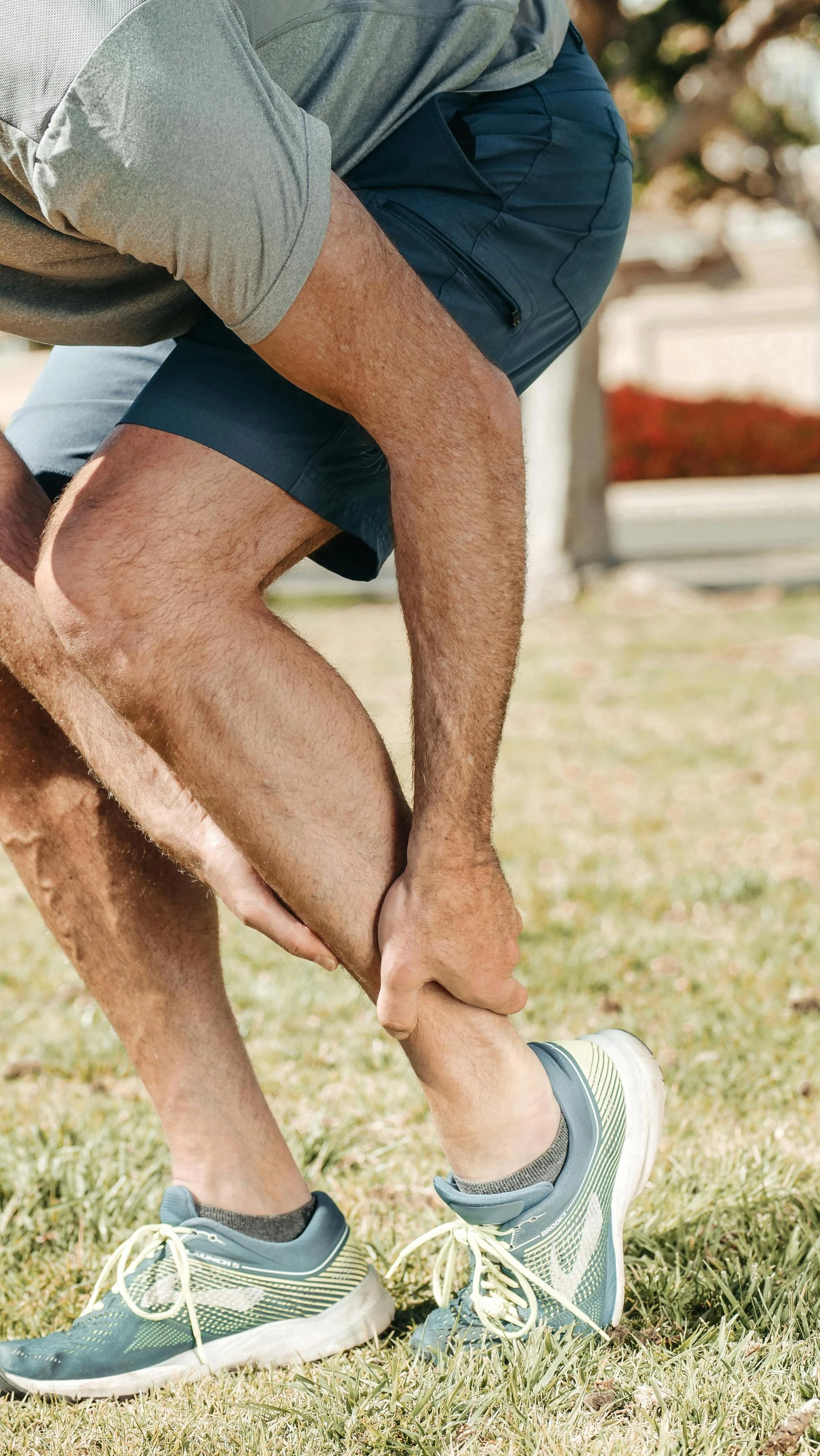
When an athlete gets hurt, therapy plays a big role in healing. It helps bring the body back to normal and makes sure the injury doesn’t come back. Whether you're a pro player or just love weekend sports, understanding therapy is key to a safe and strong recovery.
How Therapy Helps Athletes Heal
Therapy is more than just a list of exercises—it’s a smart, science-backed way to help your body recover faster and stronger. Whether you’ve had a sprain, a muscle tear, or even surgery, therapy plays a big role in healing the right way and getting you back in the game.
Speeds Up Tissue Healing
Therapy boosts blood circulation with controlled movements and exercises. This increased blood flow brings oxygen and nutrients to injured tissues like muscles, tendons, and ligaments, which helps them heal faster.
For example, athletes with overuse injuries (like tennis elbow or Achilles tendonitis) often do eccentric loading exercises—a special type of movement that helps rebuild tendon strength while reducing pain. The right kind of motion can also prevent scar tissue from forming too early.
Rebuilds Brain-Muscle Connection
After an injury, your brain may stop sending clear signals to the injured area. This causes weakness, poor coordination, or even fear of moving that body part.
Therapy includes neuromuscular training, which teaches your brain how to talk to your muscles again. This is especially important after serious injuries like ACL tears, where the knee feels unstable. By practicing specific movements, your brain “remembers” how to control and stabilize the injured area.
Reduces Swelling and Stiffness
Swelling makes injuries more painful and slows healing. Therapists use hands-on techniques like manual lymphatic drainage, soft tissue massage, and ice therapy to reduce swelling gently.
They also stretch muscles and joints using passive and active range-of-motion exercises to prevent stiffness. Keeping joints flexible is key to restoring normal movement and avoiding long-term problems.
Breaks Down Scar Tissue
When your body heals from surgery or a serious injury, it forms scar tissue. This tissue isn’t as stretchy or strong as the original, and it can limit how well you move.
Physical therapists use techniques like deep tissue massage, myofascial release, or instrument-assisted soft tissue mobilization (IASTM) to break down excess scar tissue. This helps your body move more freely and with less pain.
Improves Balance and Coordination
Injuries—especially ankle sprains or knee injuries—can throw off your balance. This makes it easier to fall or get hurt again.
Therapists use special tools like wobble boards, balance discs, or foam pads to retrain your body’s balance system. These exercises improve proprioception (your sense of body position), helping you move confidently and stay injury-free.
Types of Therapy That Help Sports Injuries
Not all therapy is the same. Different types of help are available in different ways.
Physical Therapy
This is the most common type. It helps you move better and get stronger. After surgery, physical therapy can guide you from resting to full training again.
Occupational Therapy
This is more about small movements. It's great for sports that need fine skills, like baseball pitchers who need strong hands and fingers.
Manual Therapy
This involves the therapist using their hands. They move your joints, stretch your muscles, and fix your sports injuries. Some common techniques include:
- Joint mobilization (to improve movement)
- Fascia release (to reduce tightness)
- Muscle energy methods (to fix uneven hips)
New Therapy Tools
Some new methods are exciting. One is Blood Flow Restriction (BFR). It lets you build strength with light weights, which is good when you can't move much.
Custom Plans for Every Athlete
Every sport and every person is different. That’s why therapy plans must be customized.
Planning for the Sport
A soccer player needs fast feet. A weightlifter needs strong joints. A good therapist knows this and plans accordingly.
Analyzing How You Move
Some therapists use tools to see how you run or jump. This helps them fix problems before they cause more injuries.
Example Recovery Plan
- Week 1–7: Control pain and swelling
- Week 2–4: Improve movement
- Week 4–8: Build strength
- Week 8–12: Do drills for your sport
Managing Pain Without Too Many Medications
Therapy doesn’t always need pain pills. There are safer ways to feel better.
Physical Tools
- TENS machines Use mild electricity to ease pain.
- Ice and heat: Cold reduces swelling. Heat loosens muscles.
Mind and Body Methods
- Dry needling: Releases tight muscle points.
- Breathing exercises: Help calm the body and reduce pain.
- Pain education: Learning about pain helps you manage it better.
Natural Alternatives
Some athletes use CBD creams, along with ice and deep breathing. This can be a good combo to handle pain naturally.
Getting Your Movement Back
Injuries make your muscles tight and weak. Therapy helps restore full movement.
Movement Stages
- Passive: The Therapist moves your limb for you.
- Assisted: You move with help, like using bands.
- Active: You stretch and move on your own.
- Advanced: You stretch like you would in your sport.
Sport Examples
- Swimmers: Do shoulder stretches like the “sleeper stretch.”
- Sprinters: Work on hip movement with special tests and stretches.
Getting Strong to Avoid New Injuries
Getting better isn’t just about healing. You need to get stronger so the injury doesn’t happen again.
Strength Steps
- Isometric: Push against a wall or hold a pose.
- Concentric: Lift things (like squats).
- Eccentric: Lower slowly (like lowering weights).
- Plyometric: Fast movements (like jumps).
Balance Training
Therapists also work on balance. For example, standing on a wobble board while doing squats can help prevent sprains.
Starting and Ending Therapy Right
First Steps
- Do a full check-up and movement test
- Note pain areas on a chart
Weekly Checkpoints
- Measure joint movement
- Test muscle strength
When to Finish Therapy
- Strength is almost the same on both sides of the body
- You can do sport-specific moves without pain
Final Thoughts
Therapy is not just about recovery. It’s about coming back stronger. With the right plan, tools, and mindset, athletes can heal fully and stay injury-free. Whether it's physical therapy, manual treatment, or high-tech tools, the goal is the same: get you back to doing what you love—safely and confidently.




























Sign in to leave a comment.