Why Gums Deserve More Attention
When it comes to oral care, teeth often steal the spotlight. We brush them, whiten them, and straighten them. But in the background, our gums quietly do the heavy lifting—protecting the roots of our teeth, anchoring them in place, and serving as the first line of defense against bacteria.
Yet here’s what many don’t realize: your gums aren’t just about oral health. They’re also messengers, silently revealing signs of underlying issues in the rest of your body. Ignoring gum health could mean missing important warning signals about your overall well-being. And in some cases, untreated gum infections may escalate so quickly that they require an emergency dental service.
1. Healthy Gums vs. Unhealthy Gums: The Basics
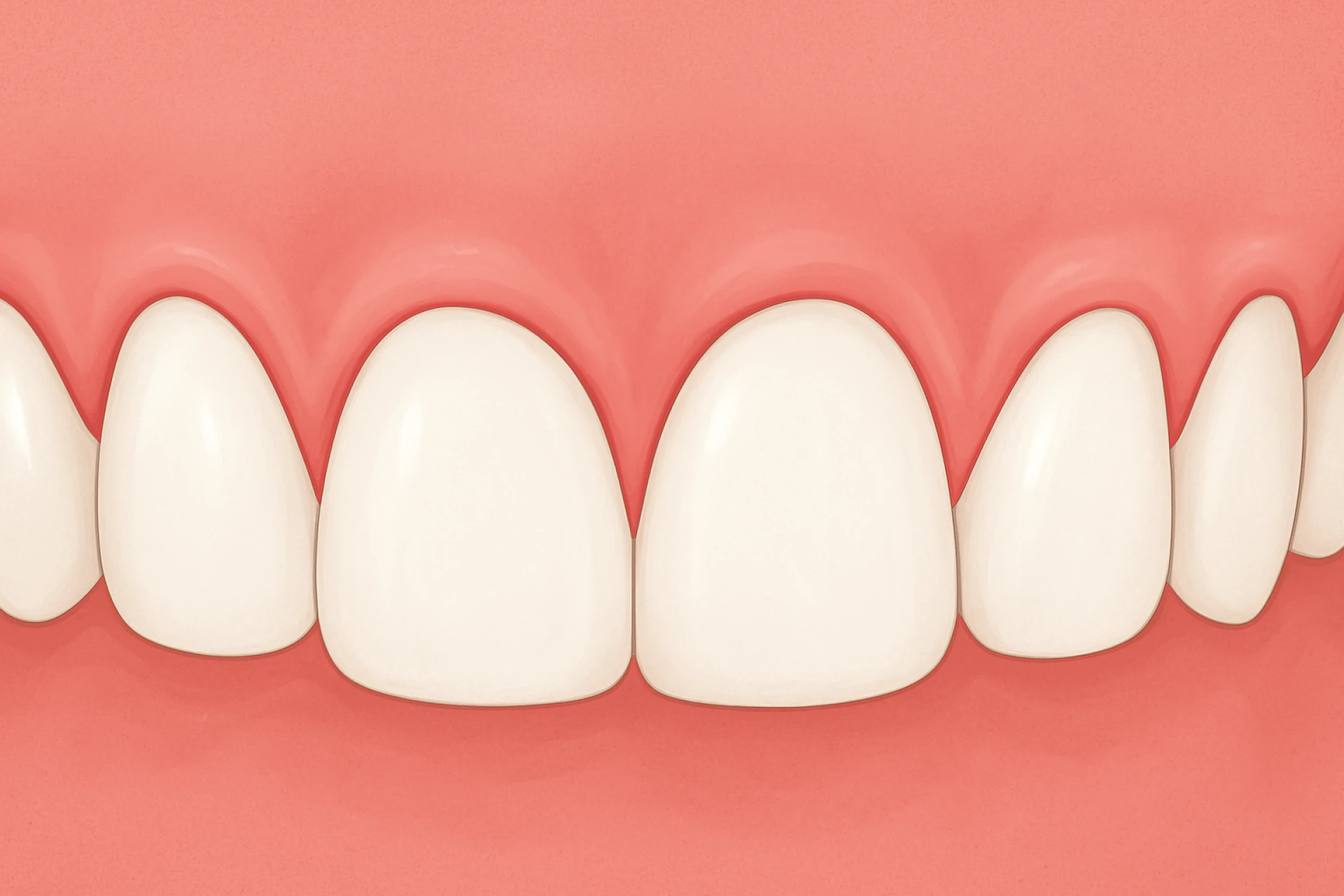
Healthy gums should look firm, pink, and snugly wrapped around your teeth. If they’re red, swollen, tender, or bleed easily when brushing, that’s a sign something’s wrong.
The most common culprit is gum disease—a condition that ranges from mild gingivitis to severe periodontitis. But while gum disease begins in the mouth, research shows it rarely stays there. In fact, unhealthy gums can send ripple effects throughout the body.
💡 Quick Fact: The CDC estimates that nearly half of adults over 30 show signs of gum disease—often without realizing it.
2. Gums as a Window Into Heart Health
One of the strongest connections researchers have uncovered is between gum disease and cardiovascular problems. Inflammation in the gums can allow harmful bacteria to enter the bloodstream, potentially contributing to:
- Hardened arteries (atherosclerosis)
- Increased risk of heart attack
- Stroke complications
While gum disease doesn’t directly “cause” heart disease, the two share a dangerous link: chronic inflammation. Dentists often say, “The mouth is the gateway to the body,” and gums are the gatekeepers.
3. The Diabetes Connection
If your gums bleed frequently or you find it hard to control gum infections, it could be a clue to diabetes. High blood sugar creates an environment where bacteria thrive, making gum disease harder to fight off.
On the flip side, untreated gum disease can make it more difficult to manage blood sugar levels, creating a vicious cycle. In fact, gum health is so closely tied to diabetes that dentists are often among the first to suspect the condition in undiagnosed patients.
💡 Case Example: A patient complaining of recurring gum infections and delayed healing after dental work was later diagnosed with type 2 diabetes. This highlights why visiting your dentist regularly—and even seeking an emergency dental service when symptoms suddenly worsen—can sometimes reveal much larger health problems.
4. Pregnancy and Gum Health: More Than Just “Swollen Gums”
Hormonal changes during pregnancy can make gums more sensitive and prone to swelling or bleeding—a condition known as pregnancy gingivitis. While often temporary, it shouldn’t be ignored. Studies suggest that severe gum disease in pregnant women may be linked to premature birth and low birth weight.
Taking care of gums during pregnancy isn’t just about the mother’s smile—it’s about the baby’s health too.
5. Gums as Clues to Nutritional Deficiencies
Your gums can also reflect what’s missing in your diet:
- Vitamin C deficiency (scurvy) – bleeding, swollen gums
- Iron deficiency – pale gums
- Vitamin D deficiency – weaker gum tissue and bone support
Sometimes, what seems like a dental issue is really your body signaling it’s not getting the nutrients it needs.
6. Other Systemic Conditions Linked to Gums
Beyond the big ones like heart disease and diabetes, research has linked unhealthy gums to several other conditions:
- Respiratory infections – Bacteria from the mouth can be inhaled into the lungs.
- Rheumatoid arthritis – People with gum disease are more likely to develop this autoimmune condition.
- Certain cancers – Chronic inflammation in the gums has been studied as a potential risk factor.
Your gums, in short, can act like an early-warning system for diseases far beyond the mouth.
7. What Your Gums Are Trying to Tell You Daily
- Bleeding when brushing → Early gum disease or poor oral hygiene
- Red, puffy gums → Inflammation, possibly linked to systemic conditions
- Receding gums → Gum disease or aggressive brushing
- Persistent bad breath → Bacteria buildup or deeper health issue
- Pale gums → Possible anemia
Learning this “language” helps you respond early before small gum issues escalate into major health problems. If symptoms like pain, swelling, or infection progress rapidly, don’t wait—seek an emergency dental service to prevent complications.
8. Taking Action: How to Keep Your Gums (and Body) Healthy
- Brush and floss daily. Don’t just clean your teeth—target the gum line.
- Don’t skip dental visits. Professional cleanings catch gum problems early.
- Quit smoking. Tobacco use is one of the biggest risk factors for gum disease.
- Eat a nutrient-rich diet. Vitamins C, D, and iron are key for gum health.
- Pay attention to changes. Swelling, bleeding, or pain in your gums deserves professional attention.
Listen When Your Gums Speak
Most of us think of gums as just the “frame” for our teeth, but they’re far more than that. They reflect your body’s internal balance, your immune system’s strength, and even your risk for chronic diseases.
Ignoring them is like ignoring a subtle but powerful language your body is trying to speak. By paying closer attention to your gums—and acting on the clues they provide—you can protect not just your smile, but your overall health.




























Sign in to leave a comment.