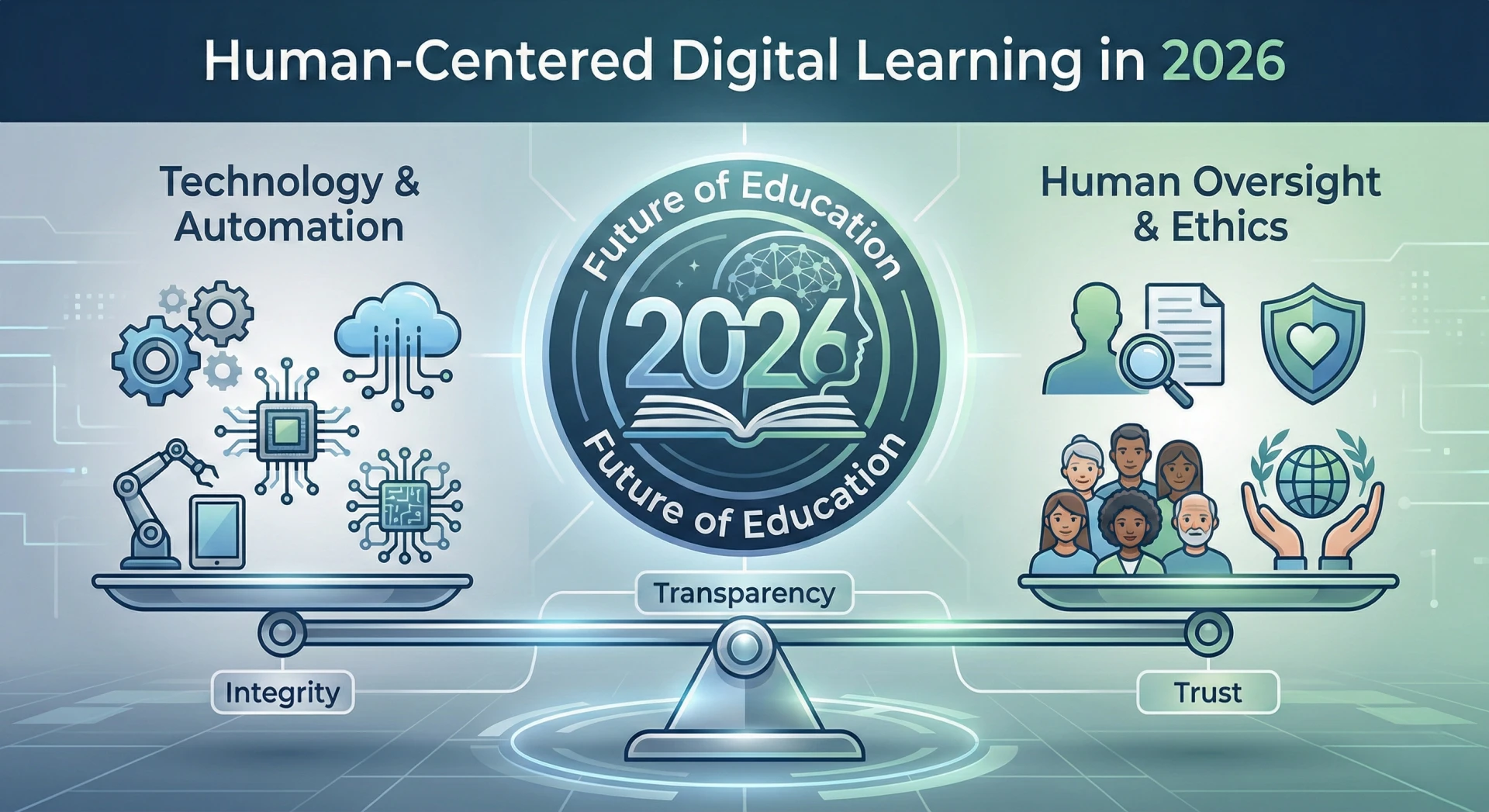
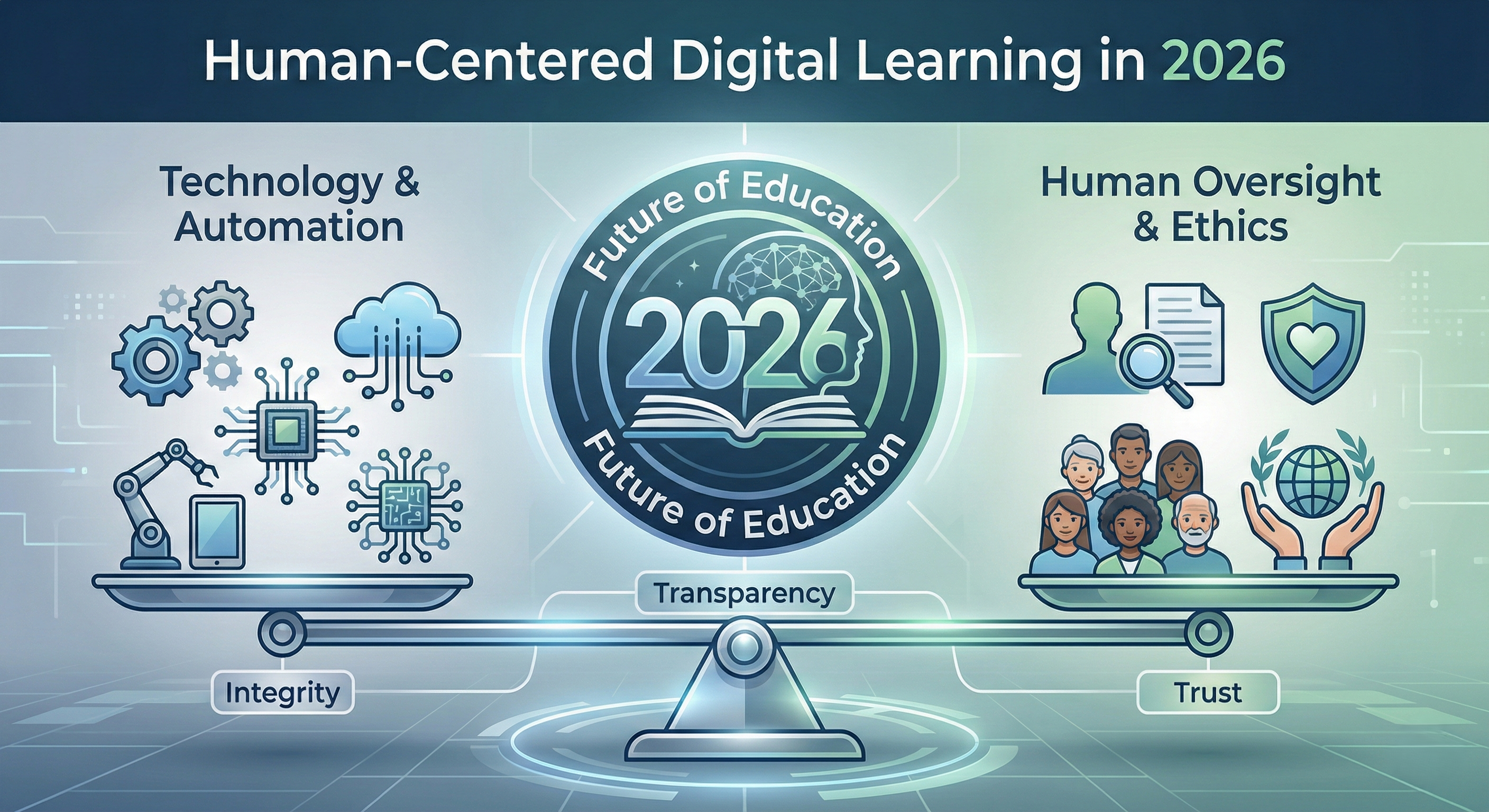
The conversation surrounding education and technology has undergone a fundamental transformation. In previous years, the focus was often on the sheer capability of emerging tools. By 2026, the priority has moved toward intentionality and institutional integrity. We are no longer asking if technology belongs in the classroom, but how it can be governed to ensure it expands human potential rather than replacing it. This movement toward a human centered digital approach is now the defining characteristic of modern education.
Why We Must Prioritize Ethical Governance Now
In 2026, the responsibility for how algorithms function rests entirely with the institution. As automated systems become deeply embedded in teaching and student support, a transparent ethical framework is essential for maintaining trust.
Protecting the value of credentials is a primary concern. In any specialized field, the validity of a qualification is its most valuable asset. Ethical governance ensures that digital tools support the rigorous verification of skills, maintaining the global respect commanded by established education systems. There is also a growing awareness regarding the risk of foundational capacities, such as critical reasoning and synthesis, fading behind automated outputs.
Ethical standards mandate that technology acts as a support for thinking, encouraging students to ask better questions rather than just producing faster answers.
Furthermore, legal security and data stewardship have become non negotiable. With updated government policies in 2026 and stricter data sovereignty laws, institutions must treat student information as a sacred trust. This involves moving beyond simple privacy toward active stewardship, ensuring that sensitive information is never utilized by opaque systems without explicit transparency.
The Core Pillars Supporting Modern Learning Environments
Building a resilient educational infrastructure requires moving away from an uncoordinated collection of apps toward a more coherent and interoperable system.
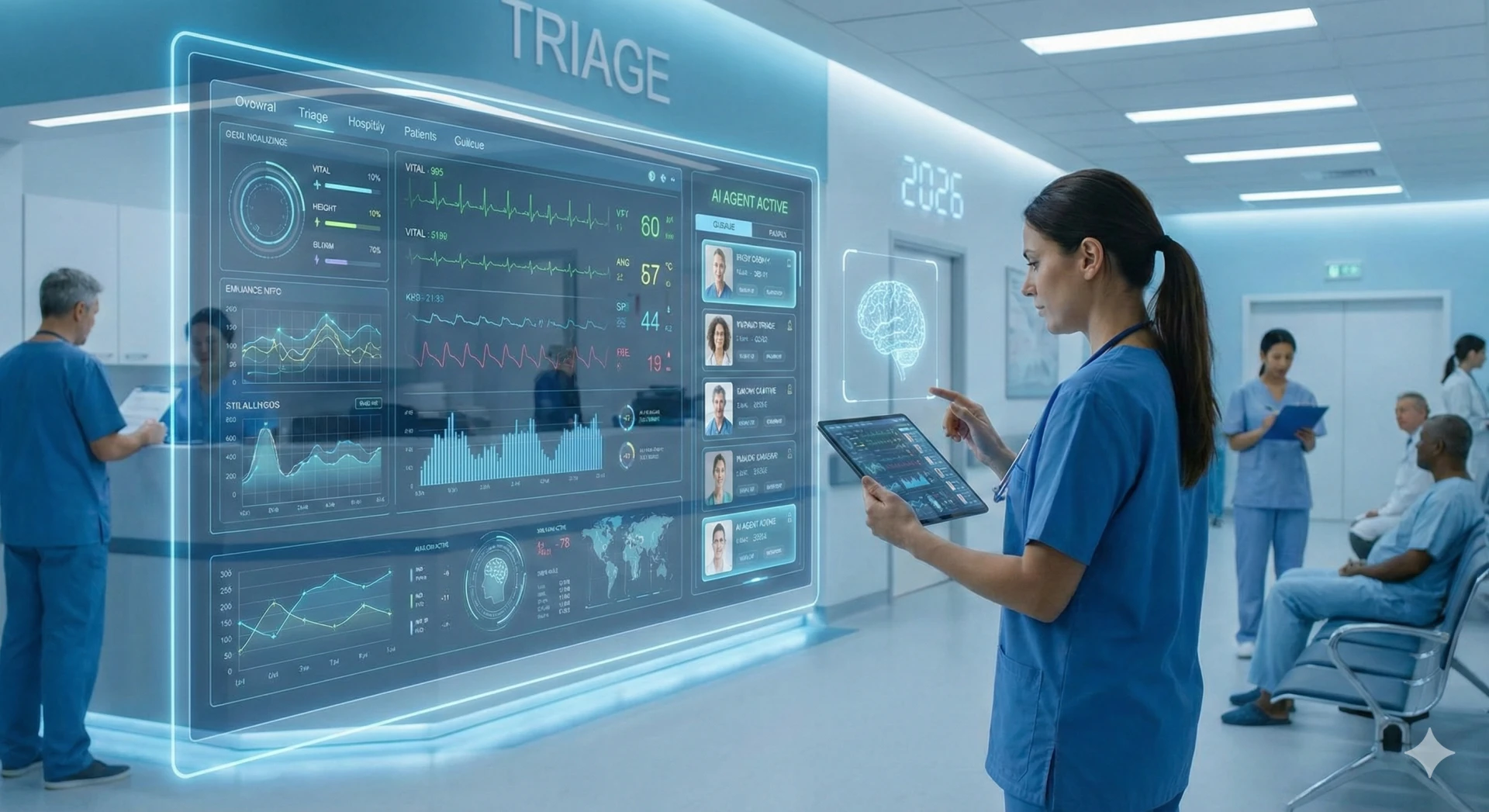
The first pillar is the rise of intelligent support systems. We have moved past simple chatbots toward tools that act as capable assistants for both educators and students. By handling the production bottlenecks of planning and administrative paperwork, these tools allow teachers to refocus their time on high touch mentorship and relationship building.
The second pillar involves immersive experiences that connect learning directly to careers. Extended reality and digital replicas have revolutionized hands on training. Students can now perform complex technical procedures or manage high pressure scenarios in safe, virtual environments. This experiential learning at scale closes the gap between theory and workplace readiness without the real world risks or high costs of physical labs.
The third pillar is the move toward secure and portable records. As the global economy shifts toward skills based hiring, traditional degrees are being supplemented by specific, industry validated competencies. Secure digital technology provides a tamper proof space for these credentials, allowing students to carry a verifiable record of their specific achievements throughout their careers. Platforms like SkilTrak demonstrate this evolution by centralizing student progression and placement documentation within a secure, auditable framework.
This ensures that while the process is digitized for efficiency, the underlying data remains transparent and ready for regulatory review.
Ensuring Professional Judgment Remains at the Center
The most significant trend in 2026 is the formalization of human oversight in every digital process. This principle ensures that no automated system has the final word on a student’s academic or career path.
Professional judgment remains the exclusive domain of the human educator. Final competency sign offs and assessments of emotional well being are tasks that technology cannot replicate. Institutions are now expected to publish clear disclosures on how and where automation is used, fulfilling a growing demand for transparency from students and parents alike. Additionally, a fair system must be contestable.
Students and staff must have a clear path to challenge an automated output, ensuring that human agency is never surrendered to a machine. This philosophy of human led verification is a core component of modern governance systems, which prioritize clear audit trails and manual sign offs to protect the integrity of the learning journey.
Building a Sustainable and Reliable Future
Achieving a steady and ethical flow in a digital environment requires a commitment to remaining fluid as tools evolve. This involves a focus on three specific areas of improvement.
First, institutions must perform continuous impact audits. Regularly reviewing the actual value of digital tools ensures they are improving engagement and well being rather than just adding noise. Second, digital literacy must be treated as a core skill. Moving from passive consumption to informed usage ensures that both students and staff understand the forces shaping their world. Finally, procurement must be purpose led. Selecting technology partners based on their commitment to open standards and transparency is now more important than just reviewing a feature list.
Conclusion
The evolution of the education landscape in 2026 depends on a balance between digital advancement and professional accountability. By anchoring technological change in transparency and oversight, the sector ensures that its qualifications continue to meet the highest global standards. Safeguarding the future of the workforce requires a deliberate approach to governance, one that values the human professional at the center of every outcome.


Sign in to leave a comment.