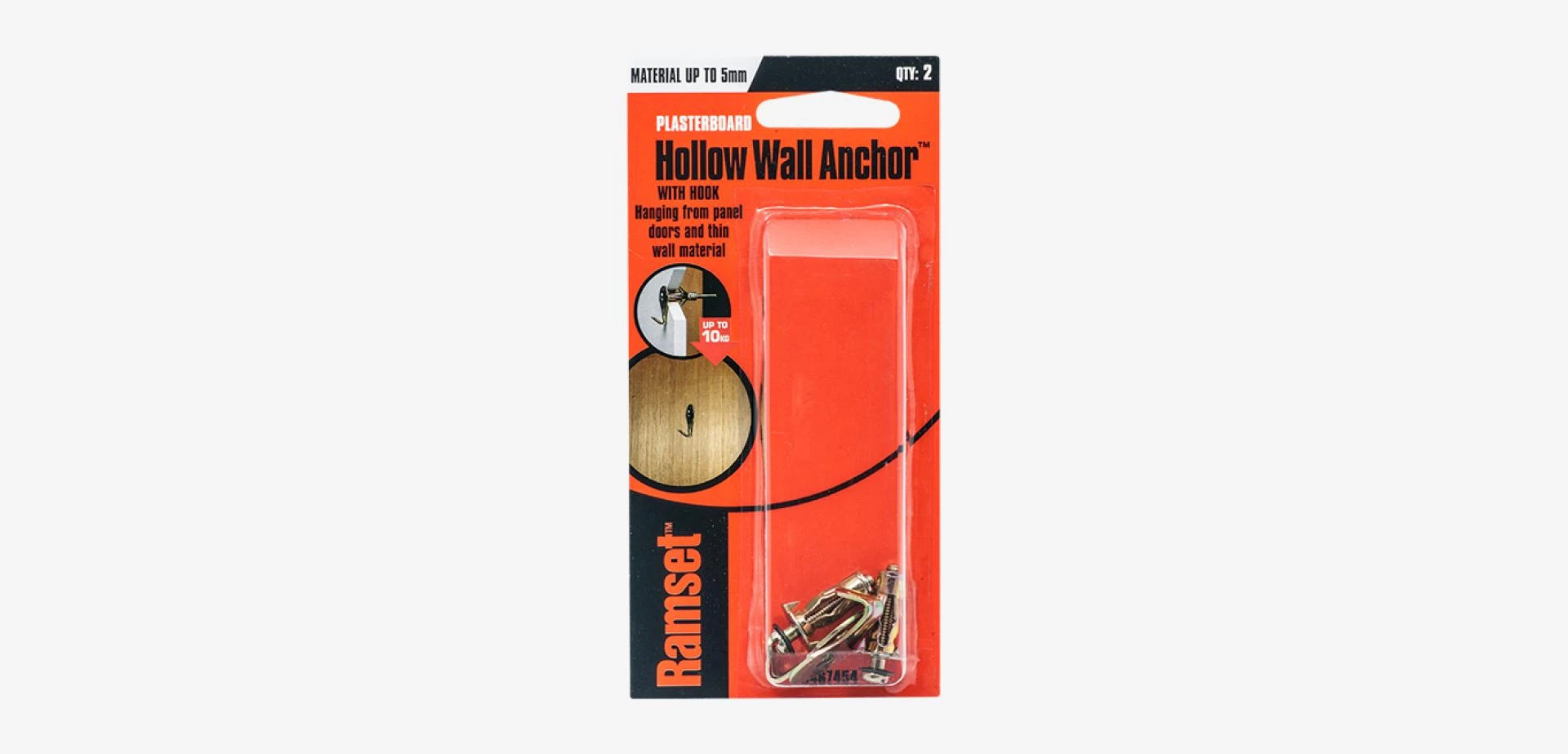

Walk into any room and look around. A picture frame catching the light, a bookshelf floating elegantly, or a heavy mirror reflecting the world back at you - all of these appear effortless in their position. But behind that illusion of ease lies a humble, often-overlooked hero: the wall anchor. These small devices are the unsung guardians of our interiors, working quietly to resist gravity’s constant demand that everything eventually falls.
At its core, a wall anchor is a fastening device designed to distribute the weight of an object across a larger area of the wall, preventing screws from tearing through plaster, drywall, or other surfaces. While the screw provides the grip, the anchor provides the muscle. Without it, hanging anything heavier than a light picture could end in an untimely collapse, leaving both wall and object worse for wear.
Wall anchors come in a variety of shapes, sizes, and strengths, each suited to a particular task. Plastic expansion anchors, the simplest type, expand inside the hole as the screw is driven in, gripping the wall tightly. More robust options, such as toggle bolts and molly bolts, spread their wings or sleeves behind the wall surface, creating a braced hold that can support substantial weight. For the heaviest loads, such as large televisions or shelving units filled with books, metal anchors or chemical anchors can turn even fragile drywall into a load-bearing ally.
Choosing the right wall anchor is not just a matter of guesswork - it’s an exercise in understanding both your wall’s material and your object’s demands.
Drywall, hollow by nature, requires anchors that can grip from the inside. Plaster walls, often found in older homes, can be brittle, so a gentler approach is essential to avoid cracking. Masonry walls, such as brick or concrete, demand anchors that bite into the dense surface for a secure hold. A mismatched choice can be disastrous, resulting in wobbly fixtures or sudden failure.
Installation technique matters as much as anchor choice.
First, the correct drill bit size ensures the anchor fits snugly without damaging the wall. Inserting the anchor gently but firmly is key - too much force can deform it, while too little leaves it loose. When driving the screw, it should be tight enough to engage the anchor fully, but not so tight that it strips the grip. This careful balance between precision and force is what separates a secure, lasting installation from a precarious gamble.
Beyond the purely functional, wall anchors have an aesthetic impact as well - albeit indirectly.
By keeping shelves straight, mirrors level, and frames firmly in place, they preserve the intended look of a space. A tilted painting or a sagging shelf draws the eye for all the wrong reasons. Good anchoring ensures that the design vision stays intact, allowing the decorative elements to shine without the distraction of instability.
Interestingly, wall anchors are not limited to home décor. They play vital roles in workplaces, galleries, schools, and hospitals. In offices, they keep whiteboards, filing systems, and safety equipment secure. In public spaces, they support signage, security cameras, and art installations. In all these contexts, the principle is the same: a hidden mechanism that guarantees visible stability.
It’s also worth noting that modern innovations are making anchors smarter and easier to use. Some new designs feature self-drilling tips that eliminate the need for pre-drilling. Others incorporate materials engineered to resist corrosion, making them suitable for damp or outdoor environments. The DIY enthusiast of today can find anchors that require minimal tools and skill, yet still offer professional-grade holding power.
Wall anchors may be hidden from sight, but their presence is felt in the safety, security, and order they bring to our environments. Whether you are hanging a delicate frame or mounting a heavy piece of furniture, the right wall anchor ensures that your possessions remain exactly where you intend them to be.






















Sign in to leave a comment.