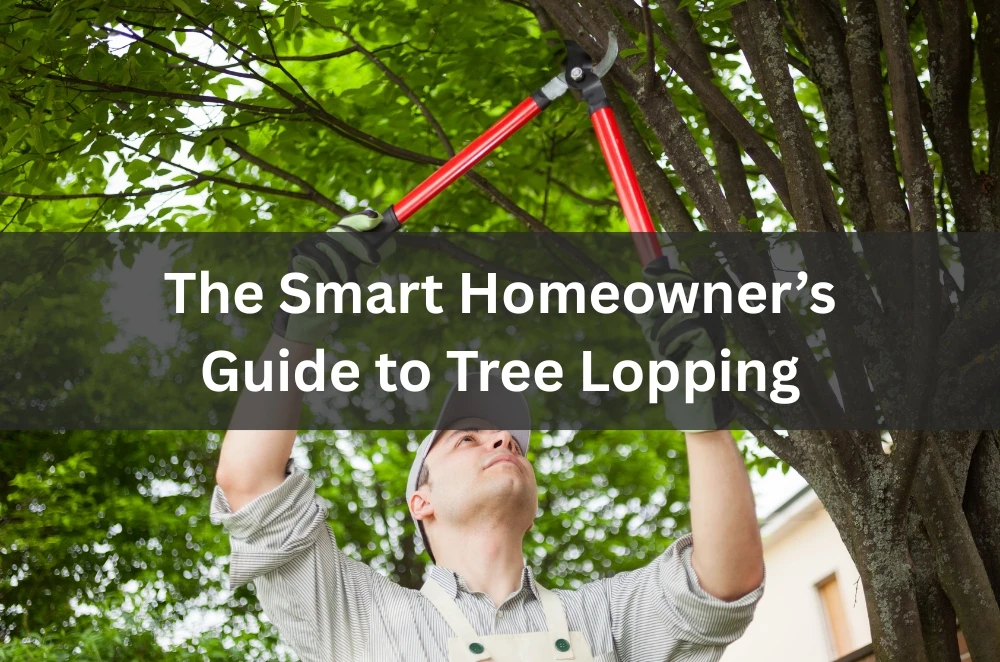

If you’ve searched “tree loppers near me” because a limb is leaning over a fence or a gum’s roots are lifting pavers, you’re on the right path. Local insight matters, but so do safety, permits, and species-specific techniques that protect people, property, and the tree’s future. For identification only, The Yard is mentioned here as an example provider of a tree lopping service in this context. The point isn’t who does the work so much as how it’s planned: risk-mapped first, utilities noted, and cuts made back to suitable laterals rather than quick volume removal. Done this way, you lower wind load, avoid messy regrowth, and keep the canopy working for shade and habitat without creating new hazards.
What risks should you understand before any cuts are made?
You need to understand how the tree actually carries load, where failures are likely under wind, and how nearby structures or walkways change acceptable risk.
- Structural cues: Look for included bark, cracked unions, long lever arms, and torsion scars that signal stressed attachments.
- Movement mapping: Observe how the canopy sways in gusts, noting strike arcs against roofs, fences, or lines you might not notice on calm days.
- Soil and root signals: Check for heave, fungal brackets, or compacted, damp patches that undermine root plates and stability.
- Occupancy zones: Identify where people gather, play, or park so you can prioritise risk controls where they matter most.
Starting with a simple strike-zone map turns guesswork into a plan. Two selective reductions often outperform a panic removal by lowering end weight while preserving shade and wildlife value.
Which legal and safety essentials matter most before work begins?
You need clarity on permit triggers, safe work systems, and utility conflicts so the task stays lawful and the crew stays protected from avoidable incidents.
- Permit thresholds: Confirm whether trunk size, species protections, or proximity to boundaries trigger approvals under local rules.
- Real safety systems: Expect helmets, hearing protection, exclusion zones, and aerial rescue readiness to be visible on site.
- Electrical awareness: Identify overhead conductors and underground services before rigging or setting drop paths anywhere near them.
- Documented scope: Keep photos, a written scope, and a risk assessment to demonstrate due diligence if questions arise.
Crew set-ups that align with Standards Australia indicate PPE and rigging practices based on recognised benchmarks, while guidance echoed by SafeWork Victoria helps crews maintain effective exclusion zones. For policy framing and balanced objectives such as canopy preservation, it’s useful to consult tree management guidelines that explain how safety and urban biodiversity are typically balanced in managed landscapes.
Which pruning methods actually protect the canopy and nearby structures?
You should prefer techniques that reduce sail and improve structure without forcing weak regrowth or disfiguring the tree’s form.
- Targeted reduction: Cut back to laterals of suitable size so the branch still functions, and overall end weight drops meaningfully.
- Crown thinning: Remove small internal branches to improve airflow and light while avoiding scalping or lion-tailing that weakens structure.
- Clearance pruning: Create measured separations from roofs and lines while keeping balanced load paths across the canopy.
- Wound positioning: Make clean cuts outside the branch collar so the tree can compartmentalise decay effectively over time.
Modern reduction practices mirror the approach promoted by the International Society of Arboriculture (ISA), which prioritises structural integrity over quick volume removal; done well, the tree behaves predictably in wind and keeps a natural outline.
How do you select the right professional step by step?
You should evaluate diagnosis quality, clarity of scope, species literacy, and after-care planning rather than relying on price alone.
- Diagnosis first: Favour professionals who ask about history, soil change, and storm impacts before talking about tools or timing.
- Transparent scope: Expect intended cut points, drop zones, and clean-up boundaries marked or explained so you can verify them.
- Species literacy: Listen for how your species responds to cuts — brittle unions, epicormic sprouting, or sap flow behaviour.
- After-care clarity: Look for watering guidance, mulch rings, and follow-up checks for high-risk attachments in the months ahead.
Species nuances are often discussed by Royal Botanic Gardens Victoria, which helps set realistic recovery expectations, and scheduling around advisories from the Australian Bureau of Meteorology (BOM) keeps crews out of gusty windows that push marginal branches into failure.
How should you budget so today’s work pays off over the years?
You should balance access realities, waste handling, rigging complexity, and planned maintenance so one visit solves multiple issues without creating new ones.
- Access realities: Tight driveways, pets, and gardens change machinery choices, crew size, and total rigging time to execute safely.
- Waste pathways: Decide whether to keep mulch on site to save transport time and feed tired garden beds after the work.
- Complexity premium: Sectional dismantles over roofs or confined drops justify extra labour and hardware to manage risk.
- Planned maintenance: A light two-year reduction cycle often beats a single heavy cut followed by costly remedials later.
Bundling tasks like selective reductions, deadwood removal, and stump grinding into one mobilisation simplifies traffic management and reduces disruption while delivering calmer canopies and cleaner gutters.
What’s the simplest way to bring it all together for a safer, calmer yard?
You bring it together by mapping strike zones, checking approvals, planning cuts for structure rather than short-term appearance, and timing work around wind so the job is safer and the tree recovers cleanly. Start by walking the site and sketching where a failed limb would land, then confirm whether your council’s thresholds apply and document a scope that puts reductions back to laterals and cuts outside collars. If you want neutral language to sense-check objectives like canopy retention and public safety, tree management guidelines line up with that balanced outcome. And when you’re gathering quotes, a measured, non-salesy checklist from a neutral source on how to choose a tree lopper helps you weigh methods and safety planning without pushing you toward any specific provider, so the result is a yard that rides out weather with fewer surprises and a canopy that still throws welcome shade.






















Sign in to leave a comment.