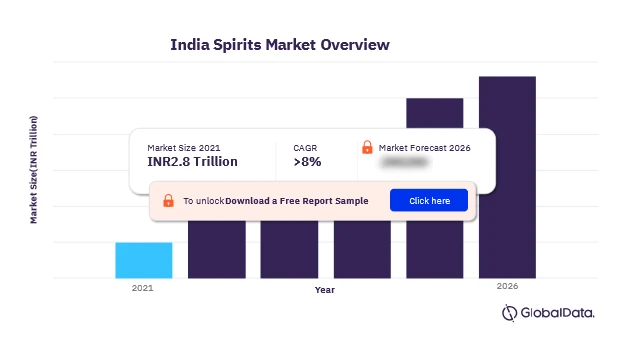

The Indian spirits market is experiencing a golden age, fueled by a growing middle class, a long-standing love affair with whiskey, and a rising tide of premiumization. This article delves into the complexities and vibrancy of this dynamic sector, exploring its current landscape, future potential, and the key trends shaping its trajectory.
A Market on the Rise
India boasts a massive legal drinking-age population, estimated at around 300 million. While affordability restricts roughly half this demographic to unbranded spirits, a burgeoning middle class of approximately 150 million is driving the demand for premium and super-premium brands. This segment, with increasing disposable income, is seeking out sophisticated palates and experiences, propelling the market towards higher value growth.
The industry witnessed a phenomenal surge, with annual sales jumping from 228 million cases in FY11 to a staggering 330 million cases by FY18 [1]. The COVID-19 pandemic caused a temporary setback, but the market has exhibited remarkable resilience. By FY24, sales rebounded to a record-breaking 412 million cases, showcasing the enduring strength of the Indian spirits sector [1].
Whiskey Reigns Supreme
Whiskey remains the undisputed king of Indian spirits, accounting for a dominant share of the market. This long-held preference is attributed to several factors, including:
- British Legacy: The British Raj\'s influence left an indelible mark on Indian drinking habits, fostering a deep appreciation for whiskey.
- Versatility: Whiskey caters to a wide range of palates and budgets, offering options from value blends to premium single malts.
- Status Symbol: In Indian culture, premium whiskey is often associated with success and sophistication, making it a popular choice for social gatherings and celebrations.
However, the whiskey market is undergoing a metamorphosis. While traditional blends still hold a strong position, there\'s a growing interest in premium and super-premium offerings, including Indian Single Malts (ISMs). Craft distilleries are emerging, experimenting with unique cask finishes and innovative expressions, catering to a discerning audience.
Beyond the Brown Spirit
The Indian spirits market is not a one-horse race. Other categories are experiencing significant growth, including:
- Vodka: This clean spirit is gaining traction among younger consumers who favor its mixability and versatility in cocktails.
- Rum: With its inherent sweetness and affordability, rum caters to a price-conscious segment and is often enjoyed with cola or in cocktails.
- Brandy: While a niche segment, brandy enjoys a loyal following, particularly in southern India.
- Gin: Craft gins are making waves, offering a contemporary twist on a classic spirit. Indian gins are experimenting with local botanicals, creating unique flavor profiles that are gaining international recognition.
Premiumization: A Defining Trend
A defining trend in the Indian spirits market is the relentless march of premiumization. Consumers are increasingly willing to pay more for quality ingredients, unique flavor profiles, and authentic brand stories. This trend is evident across categories, from whiskey and vodka to gin and brandy.
Several factors are fueling premiumization:
- Rising Disposable Incomes: The growing middle class has more money to spend on discretionary items like premium spirits.
- Westernization: Exposure to global trends and experiences is influencing consumer preferences, leading to a desire for high-quality spirits.
- Evolving Palates: As consumers become more sophisticated, they seek out spirits that offer complex flavors and distinctive characteristics.
Local Goes Global: The Rise of Indian Brands
The Indian spirits market is not just about international brands. Domestic players are making significant strides, not only in capturing market share but also in garnering international acclaim.
- Innovation: Indian distilleries are innovating with local grains and ingredients, creating unique spirits that cater to both domestic and international palates.
- Emphasis on Quality: Indian brands are increasingly focusing on quality control and using advanced production techniques to produce world-class spirits.
- Marketing and Branding: Domestic players are investing heavily in marketing and branding initiatives to build brand equity and establish a premium image.
The success of Indian Single Malts on the global stage is a testament to this rise. These spirits are winning awards and recognition, showcasing the potential of Indian distilleries to compete at the highest level.
Challenges and Regulations
Despite its optimistic outlook, the Indian spirits market faces certain challenges:
- High Excise Duties: The Indian government levies high excise duties on spirits, impacting affordability and hindering growth, particularly in the premium segment.
- State-Level Variations: Liquor laws and regulations are determined by individual states, creating a complex and fragmented market.
- Counterfeiting: Counterfeiting remains a concern, especially for popular brands. This not only impacts revenue but also poses health risks to consumers.
For more insights on the India spirits market forecast, download a free report sample



























Sign in to leave a comment.