
1. The Well-Maintained Tracker That Still Failed
A mid-size logistics company had what most people would call a genuinely good compliance spreadsheet, color-coded, updated weekly, reviewed in a Friday standup. It tracked contractor EPF submission status across 18 active vendors. For three months, one vendor's row quietly stayed on "last submitted: month 3" while the spreadsheet itself looked fine, fully updated, no obvious red flags, because nobody happened to scroll to that specific row during the weekly review.
2. Why Trackers Are Passive by Design
A spreadsheet is a passive record. It stores whatever was last entered and does nothing on its own to tell you that an entry is stale. A cell that hasn't changed in three months looks identical to a cell that was updated yesterday, there's no visual or functional difference unless someone builds a conditional formatting rule specifically for staleness, and even then, someone still has to look. This isn't a flaw in the spreadsheet software, it's a structural limitation of any tool whose only job is storage.
3. The Specific Gap: Vendor Documentation
Under the Contract Labour (Regulation and Abolition) Act, 1970, the principal employer carries liability if a contractor fails to remit EPF or ESIC for the contracted workforce. The compliance obligation isn't just to collect documentation once, it's to actively verify it on an ongoing basis. A passive tracker can show you what's been collected historically. It has no mechanism to flag what's missing going forward, that requires an active system comparing current status against an expected cadence and raising a flag when the two diverge.
4. This Isn't a Discipline Problem
It's tempting to read this as a team discipline issue, someone should have noticed. But a weekly review of an 18-row spreadsheet genuinely can miss one stale entry among seventeen current ones, repeatedly, because the human reviewer is pattern-matching for things that look wrong, and a stale cell doesn't look any different from a current one. Blaming the team misses the actual fix, which is structural, not behavioral.
5. What an Active System Actually Looks Like
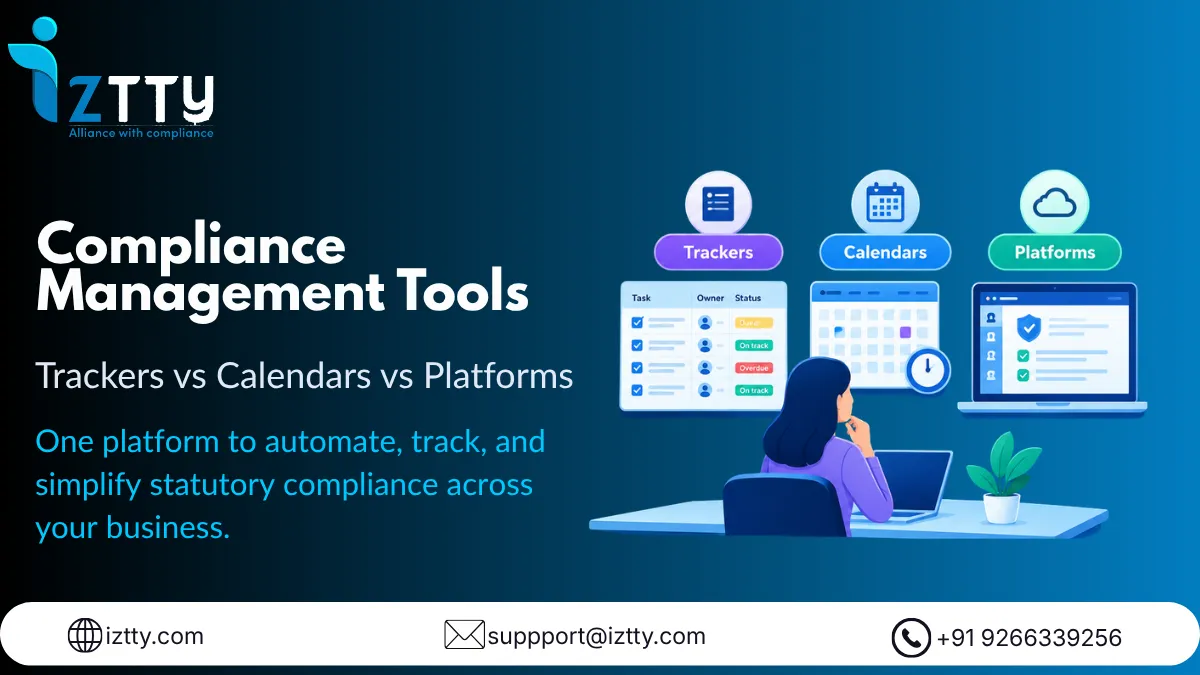
An active compliance tool compares current data against an expected state and surfaces the difference automatically, a vendor who hasn't submitted documentation in the expected monthly window gets flagged without anyone having to specifically check for it. This is the structural difference between a tracker and a platform, not a matter of degree but of what the tool is actually capable of noticing on its own. We break down which tool category handles which compliance job, and where trackers genuinely remain sufficient versus where they structurally can't keep up, in Compliance Management Tools: Trackers, Calendars and Platforms Compared by Job.


























Sign in to leave a comment.