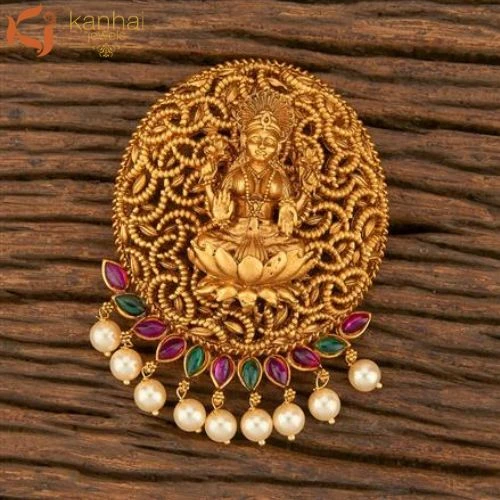

Antique jewellery holds a unique charm and historical significance that modern pieces often cannot replicate. Whether you are an avid collector or a beginner looking to invest, understanding antique jewellery can be both exciting and rewarding. This guide will help you navigate the world of antique jewellery, offering insights into its history, types, and tips for collectors.
What is Antique Jewellery?
Antique jewellery refers to pieces that are at least 100 years old. These exquisite pieces reflect the craftsmanship and artistic styles of their respective eras, making them highly desirable among collectors and enthusiasts. Unlike vintage jewellery (which is 20-100 years old), antiques have a distinct character that adds to their rarity and value.
The Different Eras of Antique Jewellery
Understanding the historical periods of antique jewellery can help you identify and appreciate different styles. Here are some of the most significant eras:
1. Georgian Era (1714-1837)
The Georgian era is known for its handcrafted jewellery, as there were no machines for mass production. Pieces from this period often feature:
- Nature-inspired designs (leaves, flowers, and birds)
- Rose-cut and table-cut diamonds
- Closed-back settings to enhance gemstone brilliance
2. Victorian Era (1837-1901)
Named after Queen Victoria, this era saw several stylistic shifts:
- Early Victorian (Romantic): Delicate floral motifs and serpent designs symbolizing love and eternity.
- Mid-Victorian (Mourning): Darker jewellery with jet, onyx, and deep-colored gemstones.
- Late Victorian (Aesthetic): Lighter, more whimsical designs featuring pearls and diamonds.
3. Edwardian Era (1901-1915)
During the Edwardian period, jewellery became more refined and elegant, often featuring:
- Platinum settings
- Intricate filigree work
- Old European-cut diamonds and pearls
4. Art Nouveau (1890-1910)
This short-lived but impactful period introduced flowing, organic designs with:
- Enamel work (plique-à-jour technique)
- Natural motifs like flowers and butterflies
- Soft pastel-colored gemstones
5. Art Deco (1920-1935)
Art Deco jewellery is highly collectible due to its bold geometric patterns and vibrant gemstones. Key characteristics include:
- Strong lines and symmetrical designs
- Contrasting color combinations (e.g., black onyx and diamonds)
- The use of emeralds, rubies, and sapphires
Why Collect Antique Jewellery?
1. Unique Craftsmanship
Unlike modern, mass-produced jewellery, antique pieces are handcrafted with meticulous attention to detail.
2. Investment Value
Antique jewellery often appreciates over time, making it a wise investment. Rarity and historical significance contribute to its increasing value.
3. Sustainable Choice
Buying antique jewellery promotes sustainability by reducing the demand for newly mined gemstones and metals.
4. Sentimental and Historical Connection
Owning an antique piece means possessing a fragment of history, often with fascinating stories behind it.
Tips for Collecting Antique Jewellery
1. Do Your Research
Understanding different eras, materials, and hallmarks will help you make informed decisions when purchasing antique jewellery.
2. Buy from Reputable Sellers
To avoid fakes, always purchase from trusted dealers, antique shops, or well-known online stores specializing in antique jewellery.
3. Inspect the Condition
Check for damages, missing stones, or modifications that may affect the piece’s value.
4. Look for Hallmarks
Hallmarks are stamps or engravings indicating the metal type and maker. They serve as authenticity markers for antique jewellery.
5. Store and Maintain Properly
Antique jewellery requires special care to maintain its beauty:
- Store in a dry, fabric-lined box to prevent tarnishing.
- Clean gently using a soft cloth and mild solution.
- Avoid exposure to harsh chemicals and excessive moisture.
Where to Buy Antique Jewellery?
Antique jewellery can be found in:
- Antique fairs and auctions: Great for unique finds but requires knowledge about bidding.
- Specialist dealers and jewellers: Provide authenticity guarantees and expert advice.
- Online marketplaces: Ensure you check seller reviews and return policies before purchasing.
Conclusion
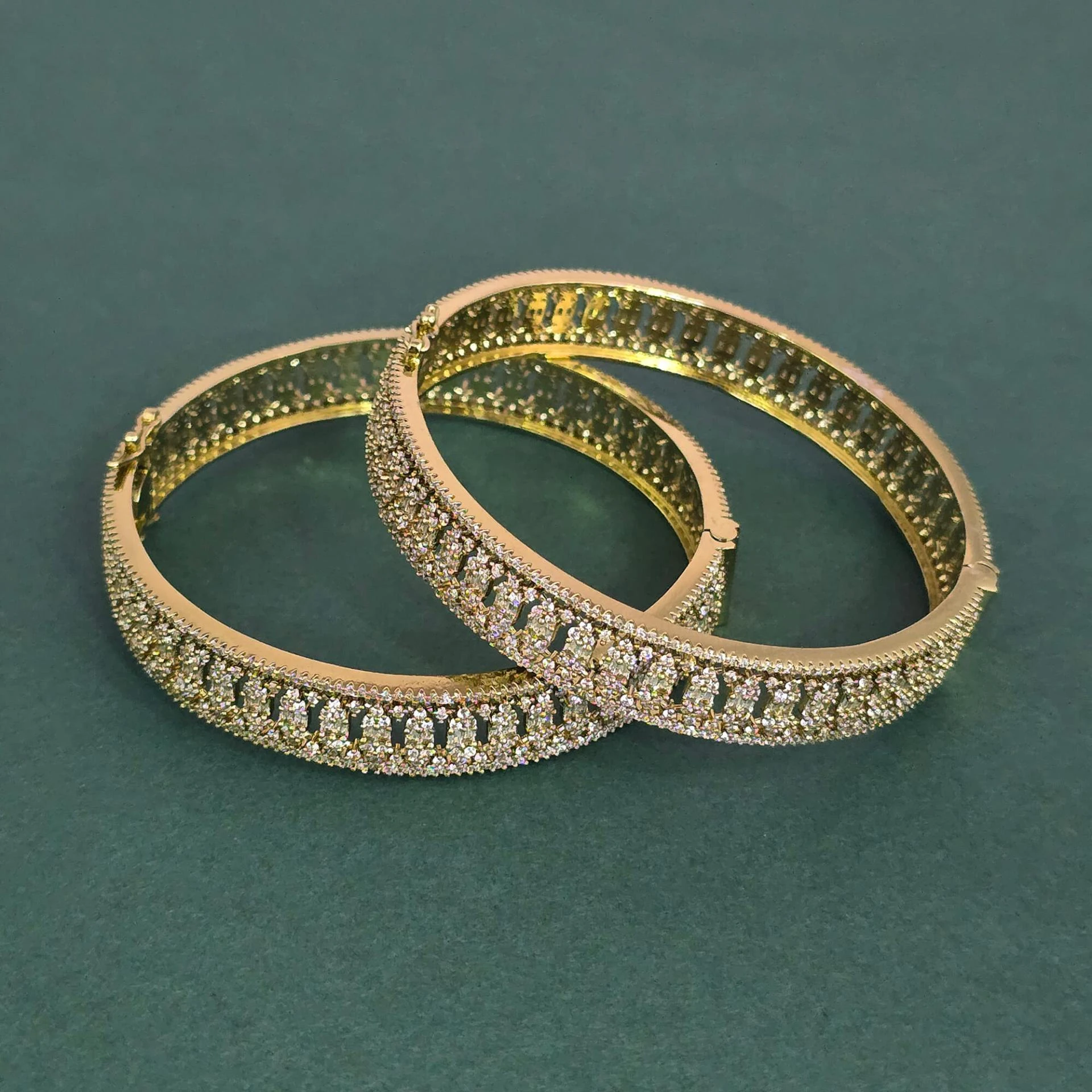
Antique jewellery is more than just an accessory; it is a testament to history, craftsmanship, and artistry. Whether you're an experienced collector or just starting your journey, antique jewellery offers timeless beauty and investment potential. At Kanhai Jewels, we bring you exquisite antique jewellery pieces that reflect elegance and history. Explore our collection today and add a timeless treasure to your collection!











Sign in to leave a comment.