
Introduction
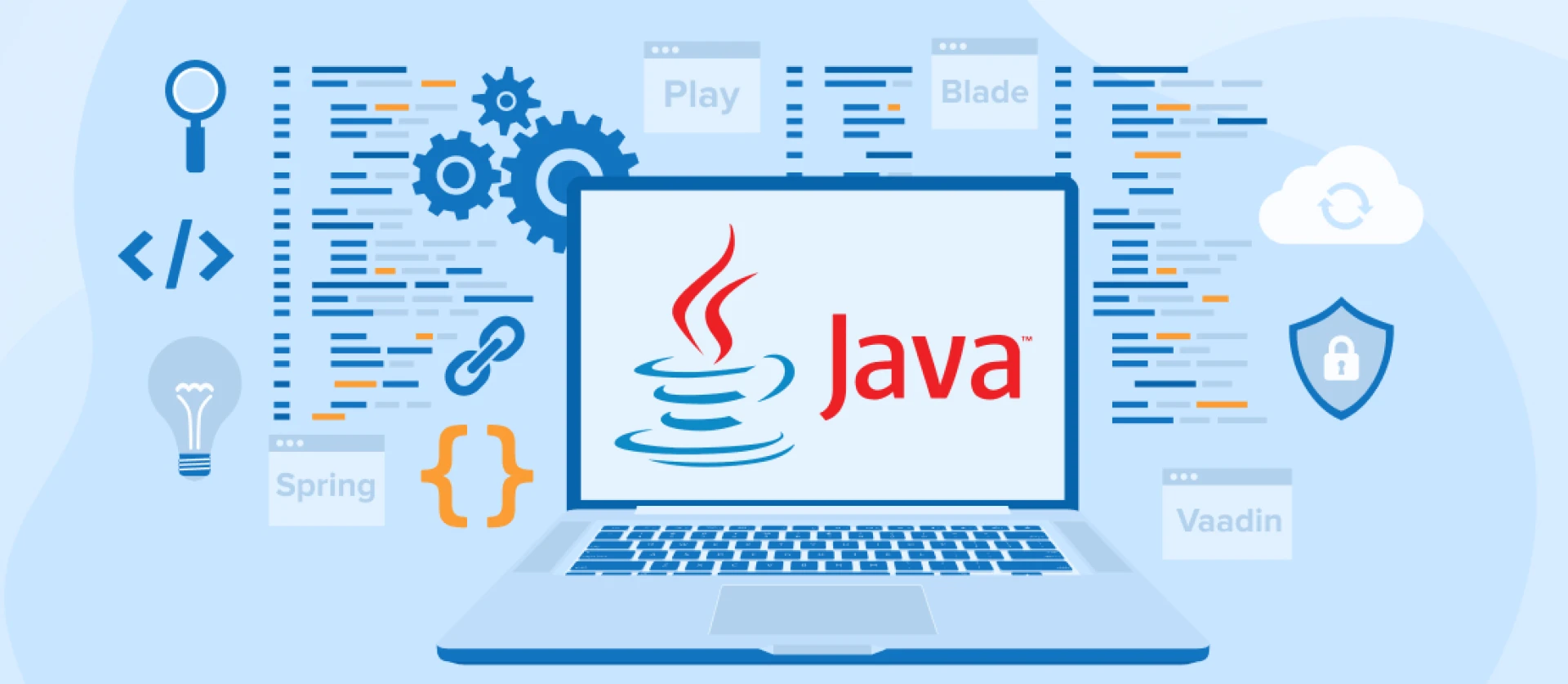
Java frameworks continue to play a pivotal role in modern application development, providing developers with tools to streamline coding processes, improve efficiency, and reduce development time. In 2025, several frameworks stand out as must-haves for Java developers. Mastering these frameworks is essential for staying competitive in a rapidly evolving tech landscape.
Spring Framework
Spring remains the gold standard for building robust enterprise applications. Most Java development companies utilize Spring to develop large enterprise applications. Its modularity and extensive ecosystem, including Spring Boot, enable rapid application development and cloud-native solutions. With features like dependency injection, aspect-oriented programming, and seamless integration with databases, Spring allows developers to create scalable and efficient applications. Additionally, its compatibility with microservices architectures makes it a preferred choice for modern software solutions.
Hibernate
Hibernate simplifies object-relational mapping (ORM), allowing developers to interact with databases using Java objects. Its ability to handle complex transactions, caching mechanisms, and lazy loading ensures high performance and reliability. By eliminating the need for writing SQL queries, Hibernate reduces development time and prevents errors, making it indispensable for data-driven applications in industries like finance, healthcare, and e-commerce.
Apache Struts
Struts is an excellent choice for creating dynamic web applications. Its MVC architecture promotes a clean separation of concerns, making the codebase easier to maintain and scale. Struts’ tag libraries simplify the creation of user interfaces, while its plugins and extensions provide flexibility for various use cases, from small projects to large-scale enterprise systems.
Micronaut
Micronaut is gaining traction for microservices development due to its low memory consumption, fast startup times, and seamless integration with modern technologies like Kubernetes and Docker. By providing built-in dependency injection and AOP support, Micronaut eliminates runtime reflection, resulting in better performance. Its compatibility with both reactive and traditional programming styles makes it versatile for developers working on cloud-native applications.
Quarkus
Quarkus is optimized for Kubernetes and cloud-native development. Its ability to deliver fast boot times, low resource usage, and excellent developer experience positions it as a future-ready framework. Quarkus’ support for live coding and unified configuration makes it a game-changer for developers focusing on containerized environments. It’s particularly effective for creating scalable, high-performance applications.
Conclusion
Choosing the right framework depends on your project requirements. Mastering these frameworks in 2025 will equip developers to tackle diverse challenges and build cutting-edge applications. Whether you’re working on enterprise solutions, microservices, or data-driven systems, these frameworks offer the tools and capabilities to succeed.




















Sign in to leave a comment.