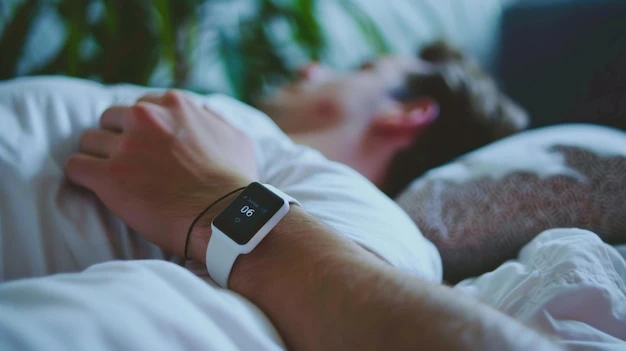

In a world increasingly obsessed with optimization, sleep has become the next frontier of self-improvement. We’ve gone from simply “getting a good night’s rest” to tracking every REM cycle, heartbeat, and breath with the help of wearable devices. But are these gadgets truly enhancing our sleep quality, or are they adding another layer of pressure to an already overstimulated society? The truth about sleep tracking devices is complex, balancing between meaningful insight and potential over-monitoring.
What Sleep Trackers Actually Measure
Most sleep trackers use accelerometers to detect movement and heart rate sensors to infer sleep stages like light, deep, and REM sleep. Some advanced devices also monitor body temperature and oxygen levels. These readings are then processed by algorithms to estimate how long you slept, how restful it was, and when you entered each sleep stage.
While this information can be enlightening, it’s essential to remember that these measurements are approximations. Unlike clinical polysomnography used in sleep labs, consumer-grade trackers offer generalized data. Still, they provide a useful starting point for those curious about their nighttime habits or struggling with fatigue and restlessness.
The Psychological Effects of Tracking Sleep
Ironically, tracking your sleep too closely can sometimes lead to more anxiety around it. A growing number of people experience what experts call “orthosomnia,” a condition where the desire for perfect sleep, as measured by a device, actually keeps them awake. When a tracker tells you that you’ve had a bad night—even if you feel okay—it can impact your mood, performance, and how you perceive your overall health.
This mental feedback loop creates stress over metrics rather than rest itself. People may start judging their energy levels based on what the app says, rather than how they actually feel. That’s why it’s crucial to use sleep tracking data as a helpful guide, not a rigid rulebook. Being too focused on numbers can, ironically, interfere with natural rest.
Motivation, Accountability, and Habit Formation
On the positive side, sleep trackers can serve as a powerful motivator. For many people, seeing sleep data laid out clearly on a screen helps build awareness and encourages healthier habits—like sticking to a consistent bedtime, avoiding late-night screen time, or cutting back on caffeine. Over time, these small shifts can significantly improve both sleep duration and quality.
For individuals with sleep issues like insomnia or irregular patterns, sleep tracking can offer insights that support conversations with healthcare providers. Trends over time may reveal triggers such as stress, diet, or environmental disruptions. In this way, sleep trackers play a supportive role in understanding personal sleep behavior and building better routines.
Limitations and Misinterpretations
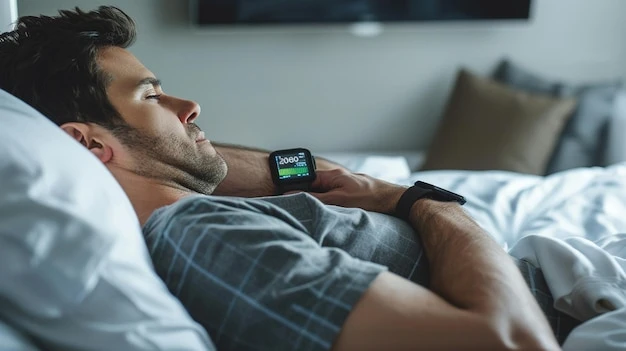
Despite their growing popularity, sleep tracking devices are far from perfect. Many don’t accurately detect wakefulness during the night, and their estimations of deep sleep or REM can vary widely depending on the brand and technology. These inaccuracies can sometimes mislead users into thinking their sleep is either worse—or better—than it really is.
Additionally, the algorithms behind sleep tracking are proprietary and not always transparent. That means your device might measure things differently from your partner’s, even if you both wear the same brand. Sleep is influenced by countless variables, from stress and hydration to temperature and medication. No app can account for all of them, which is why the data should be taken with a grain of salt.
The Future of Sleep Technology
As sleep tech evolves, we're likely to see devices that not only track but also improve sleep through biofeedback, temperature regulation, or sound therapy. Some high-end models already use gentle vibrations or ambient noise to encourage users into deeper sleep states. These innovations, when combined with behavioral science, have the potential to create truly restorative sleep environments.
However, even as technology improves, it's important to maintain balance. Sleep is inherently a human, biological need—not a competition or metric to be gamified. The best tech enhances awareness, but the most meaningful change still comes from consistent bedtime routines, a calm mind, and a healthy lifestyle.
Online platforms offering Everyday wellness advice on AudiotapApp.com can help users understand how to interpret sleep data within a larger context of well-being. These resources offer insights that go beyond the screen, guiding users toward habits that support long-term health without obsession over nightly stats.
A Tool, Not a Crutch
Ultimately, sleep tracking devices are just that—tools. They can help us notice patterns, set goals, and improve routines, but they should never replace listening to our bodies. If you wake up feeling refreshed, does it really matter if your sleep score wasn’t perfect? And if your device says you slept great but you feel exhausted, that’s a signal to look deeper into what might be affecting your well-being.
The beauty of modern wellness tools is their accessibility, but with that comes the responsibility to use them mindfully. Sleep tracking can enhance your lifestyle if you view it as part of a bigger picture—one that includes stress management, diet, movement, and mental health.
For those seeking holistic support, tapping into Everyday wellness advice on AudiotapApp.com offers more than just data interpretation. It provides a framework to build a lifestyle where technology serves you—not the other way around.






























Sign in to leave a comment.