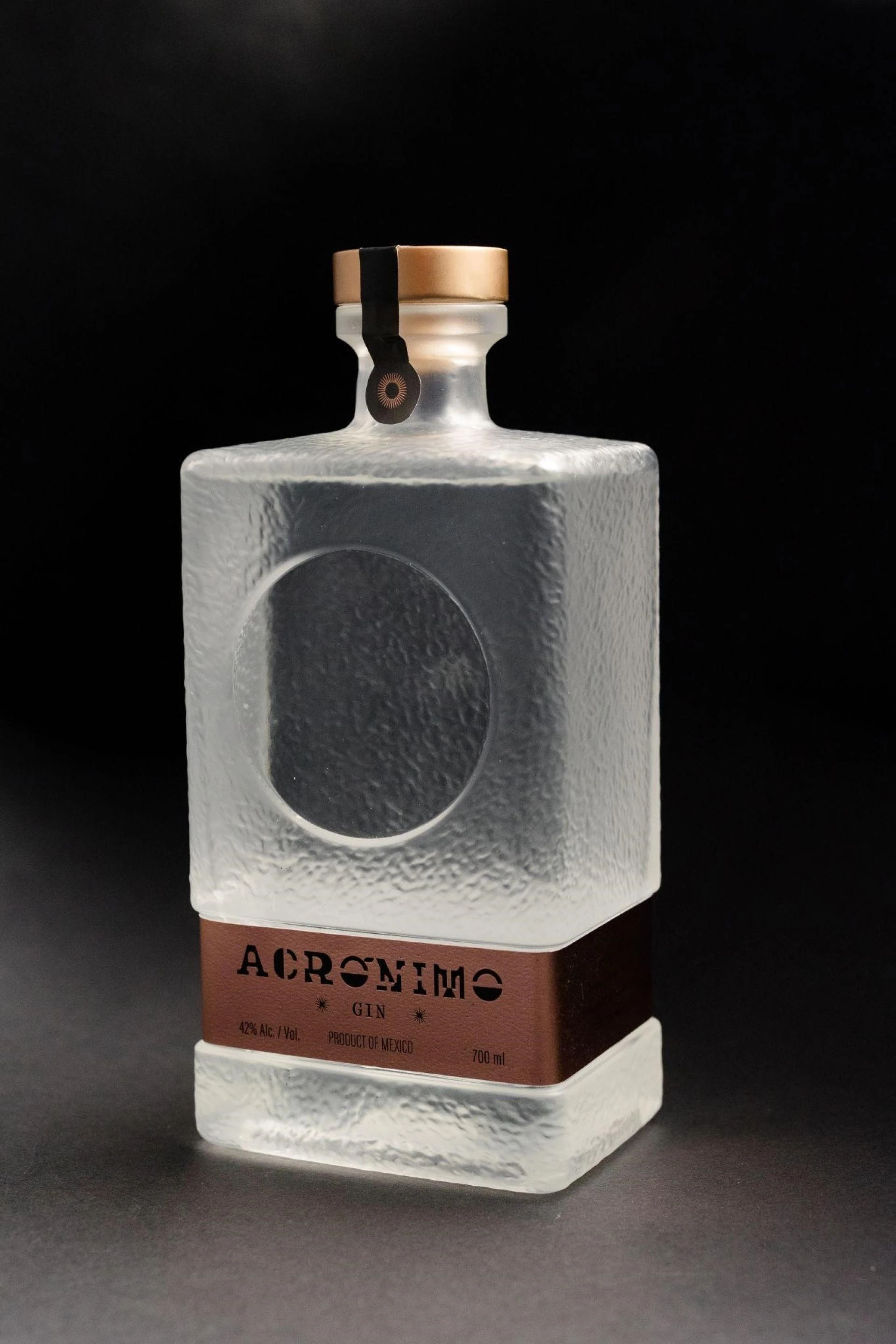

Modern bars and home collections both have Gin front stage because of its rich history and sophisticated botanical tastes. Whether you're a curious novice or someone seeking to improve your cocktail game, this Beginner's Guide to Gin has everything you need know—from how it's manufactured to how you enjoy it like an expert. Gin is more flexible than many would think given centuries of history and a quickly expanding craft scene. With this simple yet thorough introduction, let this serve as a beginner's guide to gin and let's explore the revitalising world of this spirit. .
What is Gin and how is it made?
Fundamentally, gin is a distilled liquor with juniper berries providing their unique taste. Beyond juniper, though, gin can call for a wide spectrum of botanicals including cardamom, angelica root, coriander, lemon peel, and more. Usually beginning with a neutral grain alcohol, the preparation method distils the botanicals to release their flavours.
Based on manufacturing technique, gin comes in numerous varieties:
● Most traditional style is London Dry Gin. It is dry—not sweet—and distilled with natural ingredients.
● Earthier and gentler than London Dry is Plymouth Gin. It is protected by law and regionally specific.
● Popular in cocktails from the 18th century, Old Tom Gin is a sweeter style.
● New Western or Contemporary Gin emphasises additional botanicals for a modern variation over juniper.
Every gin is different since the distillation technique and botanical selections significantly affect the taste sensation.
Comprehending Gin's Development and History
To really cover beginner’s guide to gin lets take a look at the tale of gin which starts in the 17th century with Genever, the Dutch forerunner of modern gin. Returning it from the Netherlands, English soldiers dubbed it "Dutch Courage." Gin had become somewhat extensively used in England by the 18th century, sometimes too broadly, which resulted in the social and health disaster known as the "Gin Craze."
Now fast forward to today; gin has had a rebirth. Growing numbers of craft distillery have experimented with new distillation techniques and local ingredients. Gin is now a blank canvas for imagination rather than only a conventional G&T.
Selecting Your First Gin Bottle: Methodology
Entering the gin section might be really taxing. How do you know where to start given so many possibilities?
This is how to choose the appropriate one:
Are you drawn to citrussy, flowery, or spicy characteristics in flavour? Try sampling sets or study labels.
● For novices, mid-range gins usually provide the finest mix of price and quality.
● Some gins are ideal for martinis and others shine in a G&T.
Start basic with a London Dry Gin such as Beefeater or Tanqueray. If you're ready to play around, consider something handmade like Hendrick's (floral and cucumber-forward) or Monkey 47 (botanical-rich).
How to drink gin: neat to cocktails?
The adaptability of gin is among its strongest suit. Depending on your tastes and the occasion, you can savour it in several ways.
Common Methodologies of Gin Drinking:
● Classic choice: gin and tonic. Depending on the gin's profile, top a nice tonic water with lime, cucumbers, or herbs.
● For premium gins, drinking straight helps you to appreciate their complexity. Neat or on the rocks.
● Discover martinis, negronis, gimlets, or Tom Collins to find how gin combines with different flavours.
Remember always: the correct garnish and glassware can improve your experience when mixing.
Essential Gin Cocktails for Novices
Try these cocktails if you recently started drinking gin to enjoy its spectrum of tastes. They call only few ingredients and are easy to create.
Tonic and gin
● Two ounces gin; four ounces tonic water; ice; lime wedge.
● Simple, reviving, and classic.
Negroni
● One ounce gin, one ounce campari, one ounce sweet vermouth
● Bitter, well-balanced, and bursting with character.
Tom Collins
● Two ounces gin, one ounce lemon juice, half an ounce simple syrup, soda water.
● Perfect for summer months; light, citrussy.
These drinks let you discover your taste preferences and provide a balanced introduction to gin's possibilities.
Tips on Gin Serving and Storage
Though storing it appropriately will help to maintain its taste and quality, gin does not mature in a bottle.
● Store it straight forward in a cold, dark environment; light and heat can break down the botanicals.
● Close the bottle carefully following use to prevent oxidation.
● To keep the drink crisp and cool, serve cold glasses or add ice.
Though gin doesn't go bad, an opened bottle will start to lose its flavours after around a year, particularly if half empty.
Conclusion:
From its intriguing background to its varied taste sensations and limitless mixability, gin is among the most interesting spirits available to both novices and experts. Your road starts here, with the beginner's guide to gin. There is never a shortage of fresh combinations to investigate among the several genres and methods to enjoy it.
So grab a bottle, play around with a drink, and start finding your gin style right now.



















Sign in to leave a comment.