
Aspiring Amazon seller? Learning the fundamentals of product sourcing for Amazon is the first major step toward building a successful eCommerce business.
Whether you're starting with a small budget or diving in full-time, sourcing the right products can make or break your venture. This guide will walk you through the essentials of finding profitable products, reducing risk, and setting up sustainable sourcing systems. The guide is specifically tailored for beginners.
Let’s start!
Why Product Sourcing for Amazon Matters
Your ability to find products that sell consistently at a profit is what determines your success on Amazon. No matter how good your branding, pricing, or listing optimization is. None of it matters if your product simply doesn’t meet market demand. That’s why it’s critical to master sourcing from the start. Because every profitable product begins with a smart decision.
Types of Product Sourcing
There are multiple ways sellers source products, but the most common methods include:
- Retail Arbitrage: Buying discounted products in retail stores and reselling them online.
- Online Arbitrage: Similar to retail arbitrage, but done through websites.
- Wholesale: Purchasing products in bulk directly from manufacturers or distributors.
- Private Label: Creating your own branded product to sell under a unique listing.
- Dropshipping: Partnering with suppliers who ship directly to your customers.
Each method comes with pros and cons. But beginners often start with arbitrage or wholesale before scaling up to private label.
How to Identify Winning Products
The key to success in product sourcing is knowing what to look for. Here are a few factors to consider:
- Demand: Products should have consistent sales volume on Amazon. Use tools like Keepa or Amazon Best Sellers Rank (BSR) to gauge this.
- Profit Margin: After fees, shipping, and cost of goods, aim for at least 30% net profit.
- Competition: Avoid oversaturated categories where it’s hard to stand out or win the Buy Box.
- Size and Weight: Lighter, smaller products are cheaper to store and ship.
- Seasonality: Favor products that sell year-round instead of only during certain months.
Product Research Tools to Consider
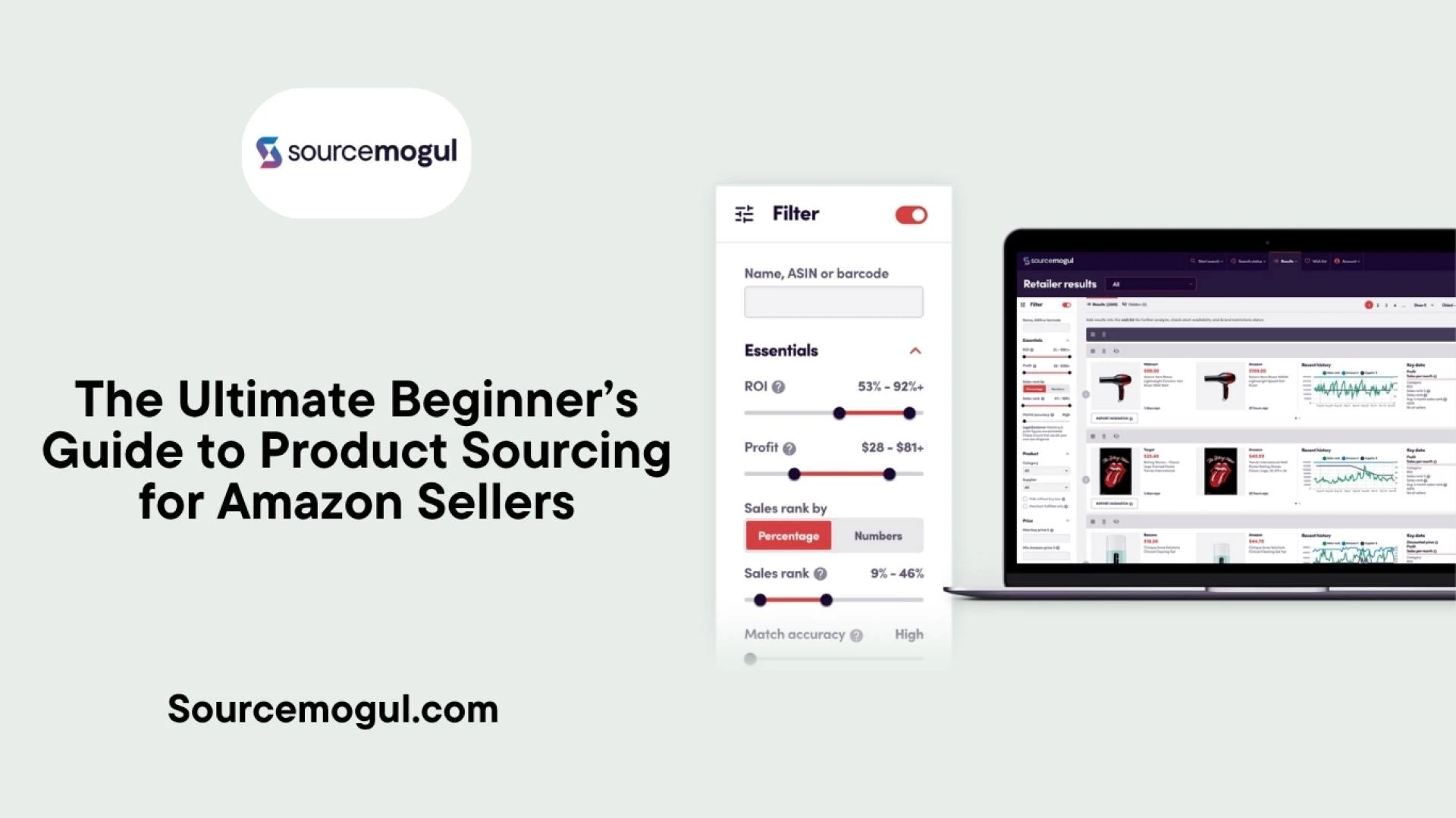
To speed up and simplify your sourcing journey, there are various tools you can use for research. But one of them that you can trust blindly is SourceMogul. It scans thousands of products from online retailers to find profitable arbitrage opportunities. It allows you to make smarter sourcing decisions that lead to more consistent profits.
Avoiding Common Sourcing Mistakes
Many beginners fall into avoidable traps that cost time and money. Here are a few to watch for:
- Failing to calculate all costs: Always account for Amazon fees, shipping, taxes, and packaging when calculating profit.
- Not testing before scaling: Avoid investing in hundreds of units without proof of demand. Start small and scale up only after successful sales.
- Ignoring customer reviews: Negative reviews often reveal product flaws that you can address or avoid entirely.
- Chasing trends blindly: Just because something is trending doesn’t mean it’s profitable long-term. Do your own research.
Using online arbitrage sourcing platforms can help streamline your product search and reduce the chances of error.
How to Build Strong Supplier Relationships
Once you've identified the right products, sourcing them consistently depends on strong supplier relationships. Here’s how to build and maintain them:
- Communicate clearly: Be upfront about your needs, timelines, and expectations.
- Order samples: Always inspect samples before placing a large order.
- Negotiate smartly: Price is important, but so is reliability, quality, and responsiveness.
- Stay professional: Treat your suppliers as long-term partners, not just one-time vendors.
When sourcing products to sell online, these relationships become vital to ensuring stock consistency, quality control, and long-term business growth.
Scaling Your Sourcing Strategy
Once you’ve mastered the basics, it's time to think about scale. This means:
- Expanding to multiple suppliers or categories.
- Using virtual assistants or automation tools for repetitive tasks.
- Increasing order volume to reduce the cost per unit.
- Exploring advanced sourcing models like private label or exclusive wholesale deals.
The more systems you put in place, the easier it becomes to grow without burning out.
The Bottom Line
Starting your Amazon selling journey can feel overwhelming. But focusing on product sourcing for Amazon is the best place to begin. With the right approach, tools, and discipline, you can go from a few small wins to building a sustainable online business.
Remember, product sourcing isn’t a one-time task. It’s an ongoing skill that sharpens with experience. Keep learning, testing, and refining your strategy, and success will follow. Online tools like SourceMogul are there to help you at every phase of your journey. You can utilize it to streamline the process and establish your business smartly and more effortlessly.
























Sign in to leave a comment.