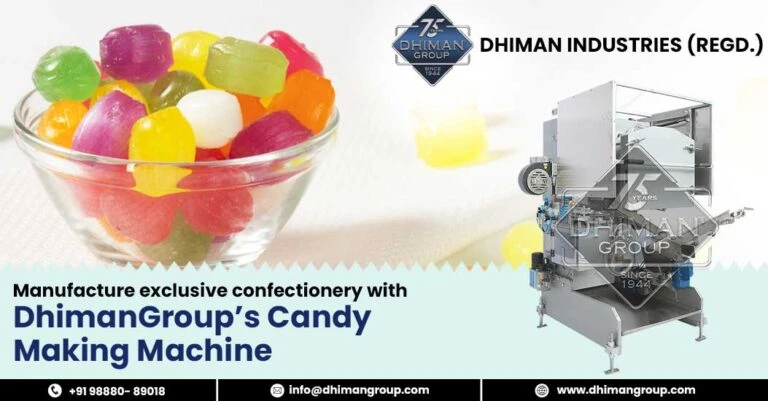

A capital purchase rarely fails on day one. It fails slowly, through inefficiencies that surface after installation. When buyers evaluate a candy making machine, they often focus on output numbers alone. That narrow lens hides risks linked to hygiene, control, and long term reliability.
This checklist reframes the decision process, especially for manufacturers assessing options for candy making machine India under regulatory and scale pressures.
Understanding Process Fit Before Candy Making Machine Size
Every confectionery line follows a defined thermal and mechanical rhythm. Equipment must align with that rhythm. Buyers often oversize machines, assuming flexibility will solve future needs. Oversizing introduces waste, energy imbalance, and control gaps.
Process fit begins with product behaviour, not capacity targets. Sugar structure, cooling time, and moisture sensitivity dictate machinery requirements. A well-matched candy making machine supports stable runs without frequent parameter adjustments. Stability protects quality audits and production scheduling alike.
Know the Operational Demands of the Candy Making Machine
Even the most advanced equipment fails when paired with an underprepared facility. Installation requirements, line layout, and environmental conditions must be fully understood. Several plants have reported issues not because of machine defects—but because of poor planning in their production environment.
Before selecting a candy making machine in India, assess these aspects:
- Power load compatibility with your existing plant infrastructure.
- Cooling requirements and the available ventilation in the unit’s location.
- Size and positioning of conveyors feeding into and out of the machine.
- Noise output levels and workplace impact.
- Ease of cleaning and adherence to local food safety regulations.
Machines must fit the environment they are being placed into. Otherwise, efficiency declines, and maintenance demands increase.
Compliance And Hygiene Are Engineering Decisions
Food safety outcomes depend heavily on equipment design. Hygiene cannot be corrected through cleaning routines alone. It must be engineered into contact surfaces, joints, and access points.
This section highlights technical aspects buyers should examine closely before finalising specifications.
- Surface finishes should prevent residue retention and support rapid sanitation cycles.
- Component accessibility must allow inspection without dismantling core assemblies.
- Material selection should withstand repeated thermal stress without corrosion or deformation.
Each factor influences long term compliance costs and audit confidence. Neglecting these areas increases operational strain under regulatory review.
Examine Control Systems, Safety Protocols, and Downtime Recovery
Control logic in machines has advanced, but ease of use varies widely. Some models rely heavily on operator judgment, while others offer sensor-driven consistency. Do not be misled by digital displays. The true value lies in how well the system handles error states, safety checks, and auto-recovery.
Once the candy making machine is installed, operators must manage unexpected batch inconsistencies, sudden halts, or temperature fluctuations. Machines that recover quickly from these issues protect both output and product quality.
Look for the following capabilities:
- Built-in temperature alarms and auto shut-off for overheating.
- Batch memory systems that retain settings after power failures.
- Mechanical safety interlocks for moving parts and loading areas.
- User-level access control to avoid accidental tampering.
- Visual indicators for real-time status checks.
These features ensure the machine operates safely while maintaining batch precision across long shifts.
Evaluating Candy Making Machine India Suppliers On Service Depth
Supplier selection often focuses on pricing and delivery timelines. Service depth deserves equal scrutiny, especially within the market of candy making machine India.
Buyers should assess how suppliers respond after commissioning. Technical documentation quality, spare availability, and response protocols matter daily. Downtime costs exceed initial savings quickly.
Local engineering presence supports faster resolution and contextual understanding of plant conditions. That support reduces dependency on temporary workarounds that compromise efficiency.
Energy Use Reflects Engineering Maturity
Energy efficiency signals thoughtful engineering rather than cost cutting. Excessive power consumption often indicates airflow imbalance, outdated motors, or poor insulation.
Buyers should request consumption benchmarks under comparable loads. Reviewing these figures alongside output data provides a realistic efficiency picture.
Lower energy variability supports stable operating costs and easier budgeting. It also aligns with sustainability expectations increasingly tied to procurement decisions.
Documentation And Training As Long Term Assets
Equipment value extends beyond hardware. Manuals, drawings, and training materials influence how teams maintain standards. Sparse documentation forces reliance on informal knowledge transfer.
Structured training programmes reduce operator dependency on individual experience. That consistency protects production continuity during staff changes.
Well documented systems also support faster audits and smoother expansion planning. These benefits compound over the equipment lifecycle.
Conclusion
Signing a purchase order marks the start of operational accountability. A candy making machine should strengthen discipline, not introduce hidden variables. Buyers who assess process fit, hygiene design, control depth, and service readiness protect long term outcomes. Within the evolving candy making machine India landscape, disciplined evaluation remains the most effective safeguard for quality, compliance, and sustained profitability.
Sign in to leave a comment.