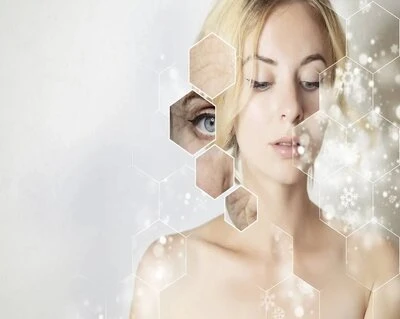

In the relentless pursuit of youthful and radiant skin, the realm of skincare continually evolves, offering innovative solutions to combat the inevitable signs of aging. One such breakthrough is Anti-Aging Peptide Therapy, a cutting-edge approach that taps into the power of peptides to rejuvenate and revitalize the skin.
Finding Anti-Aging Peptide Therapy is simple; you can utilize various search engines for assistance. However, it\'s crucial to include your precise location for optimal results. For instance, try searching for "Anti-Aging Peptide Therapy in Cincinnati" to ensure you find relevant options in your area.
What are peptides and their role in the body?
Peptides are short chains of amino acids, which are the building blocks of proteins. These chains typically consist of fewer than 50 amino acids, whereas proteins usually have more than 50. Peptides play crucial roles in various biological processes within the body.
Here are some key roles of peptides in the body:
- Hormonal Regulation: Many peptides act as hormones or hormone precursors, regulating various physiological processes such as growth, metabolism, and reproduction. For example, insulin is a peptide hormone that regulates blood sugar levels, while growth hormone regulates growth and development.
- Neurotransmission: Peptides function as neurotransmitters or neuromodulators in the nervous system, facilitating communication between nerve cells (neurons). Neuropeptides, such as endorphins and enkephalins, are involved in pain perception, mood regulation, and stress response.
- Immune Response: Peptides contribute to the body\'s immune system by acting as signalling molecules to regulate immune cell function and inflammation. Some peptides have antimicrobial properties, helping to defend against pathogens.
- Cell Signaling: Peptides serve as signalling molecules that communicate messages between cells and tissues, regulating various physiological processes, including cell growth, differentiation, and apoptosis (cell death).
How do peptides contribute to skin health and anti-aging processes?
Peptides play a significant role in skin health and anti-aging processes due to their ability to signal cells to perform specific functions. Here\'s how peptides contribute:
- Collagen Production: Peptides are often involved in stimulating collagen synthesis in the skin. Collagen is a protein that provides structure and elasticity to the skin. As we age, collagen production decreases, leading to wrinkles and sagging skin. Peptides can signal skin cells to produce more collagen, helping to maintain skin firmness and elasticity.
- Skin Repair and Renewal: Peptides can promote skin repair and renewal processes. They can signal cells to increase the production of new skin cells, aiding in the repair of damaged skin and promoting a more youthful appearance.
- Antioxidant Effects: Some peptides exhibit antioxidant properties, helping to neutralize free radicals in the skin. Free radicals are unstable molecules that can damage skin cells and accelerate aging. By scavenging free radicals, peptides can help protect the skin from oxidative stress and maintain its youthful appearance.
- Moisture Retention: Certain peptides have moisturizing properties, helping to improve skin hydration and prevent dryness. By enhancing the skin\'s ability to retain moisture, peptides can contribute to a plumper, more supple complexion.
- Reduction of Wrinkles and Fine Lines: Peptides can target specific concerns such as wrinkles and fine lines by stimulating collagen production and promoting skin renewal. With consistent use, peptides in skincare products can help diminish the appearance of wrinkles and improve overall skin texture.
How does peptide therapy work in anti-ageing treatments?
Peptide therapy in anti-ageing treatments involves the use of short chains of amino acids, known as peptides, to address various aspects of ageing at the cellular level. Peptides are naturally occurring molecules in the body and play essential roles in numerous physiological processes.
Here\'s how peptide therapy works in anti-ageing treatments:
- Stimulation of collagen production: Collagen is a protein that provides structural support to the skin, keeping it firm and elastic. As we age, collagen production decreases, leading to the formation of wrinkles and sagging skin. Certain peptides, such as palmitoyl pentapeptide-4 (Matrixyl), can stimulate collagen synthesis, helping to improve skin elasticity and reduce the appearance of wrinkles.
- Increase in skin hydration: Peptides like palmitoyl tripeptide-5 can enhance the skin\'s ability to retain moisture, leading to improved hydration levels. Proper hydration is crucial for maintaining skin health and preventing dryness, which can exacerbate the signs of aging.
- Reduction of inflammation: Chronic inflammation is associated with various ageing-related conditions, including skin ageing. Peptides such as copper peptides possess anti-inflammatory properties, which can help soothe irritated skin and reduce redness and inflammation.
- Enhancement of skin repair and regeneration: Peptides like epidermal growth factor (EGF) can accelerate the skin\'s natural repair processes by promoting cell proliferation and tissue regeneration. This can help repair damage caused by environmental factors such as UV radiation and oxidative stress, leading to healthier and more youthful-looking skin.
- Protection against oxidative stress: Oxidative stress, caused by an imbalance between the production of reactive oxygen species (ROS) and the body\'s antioxidant defences, contributes to ageing by damaging cellular components such as DNA, proteins, and lipids. Certain peptides, such as glutathione peptides, exhibit antioxidant properties and can help neutralize ROS, thereby protecting the skin from oxidative damage.
Benefits of Anti-Aging Peptide Therapy
Improved Skin Elasticity and Texture
Anti-aging peptide therapy can promote collagen production, which enhances skin elasticity and firmness. Peptides such as palmitoyl pentapeptide-4 stimulate collagen synthesis, resulting in smoother, more youthful-looking skin. This can reduce the appearance of fine lines, wrinkles, and sagging, leading to a more vibrant complexion.
Reduced Fine Lines and Wrinkles
Peptides can penetrate the skin and signal cells to produce more collagen, elastin, and hyaluronic acid, all of which are essential for maintaining skin hydration and plumpness. As a result, regular use of anti-aging peptide therapy can diminish the appearance of fine lines and wrinkles, particularly around the eyes, mouth, and forehead, creating a more youthful appearance.
Enhanced Skin Repair and Regeneration
Peptides like copper peptides can accelerate wound healing and promote skin regeneration. By stimulating the production of growth factors and increasing cell turnover, anti-ageing peptide therapy can help repair damage caused by environmental stressors, UV radiation, and ageing. This leads to a smoother, more even-toned complexion with reduced scarring and hyperpigmentation.
Increased Hydration and Moisture Retention
Certain peptides have humectant properties, meaning they can attract and retain moisture in the skin. For example, peptides derived from proteins like soy and wheat can help improve skin hydration by forming a protective barrier that prevents water loss. By maintaining optimal moisture levels, anti-aging peptide therapy can plump up the skin, reduce dryness and flakiness, and improve overall skin health.
You have the option to look up providers of Anti-Aging Peptide Therapy on any search engine. This allows you to access reviews, aiding in your selection process for the best option. However, it\'s recommended to specify your exact location, such as "Anti-Aging Peptide Therapy in Cincinnati," to narrow down your search and find local options more efficiently.
Conclusion
Anti-aging peptide therapy offers a promising avenue for rejuvenating the skin and combating the signs of aging. By harnessing the power of peptides, this therapy stimulates collagen production, enhances skin elasticity, and reduces the appearance of fine lines and wrinkles. Moreover, it promotes skin repair and regeneration, improves hydration and moisture retention, and provides antioxidant and anti-inflammatory benefits. With consistent use, anti-aging peptide therapy can help individuals achieve a smoother, more youthful complexion, restoring confidence and vitality to their appearance.
























Sign in to leave a comment.