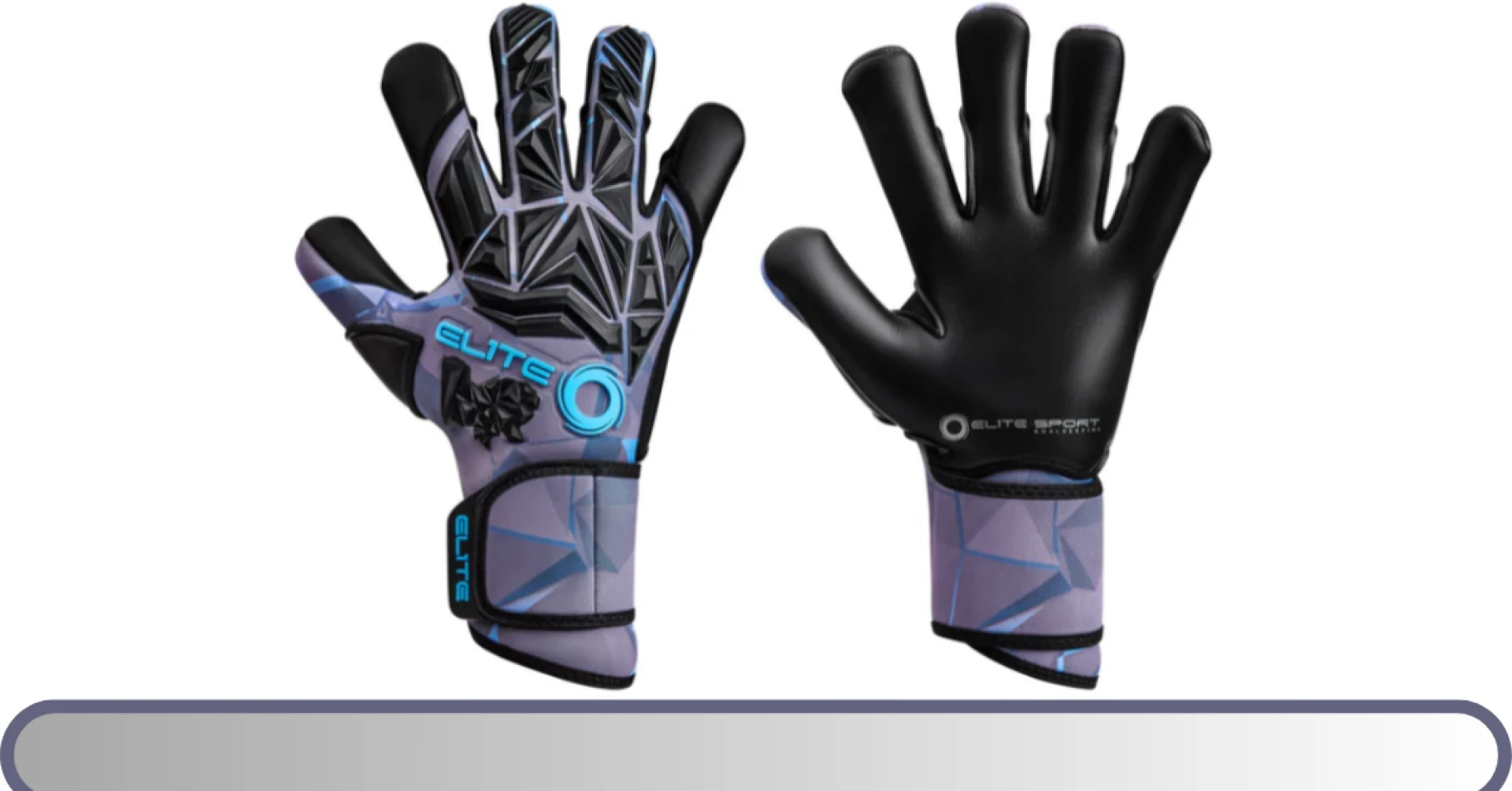

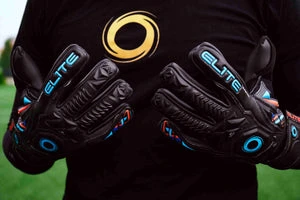
Goalkeeping is one of the most demanding positions in football. It requires agility, precision, and most importantly, a firm grip on the ball. However, playing on artificial grass presents unique challenges that can wear down standard gloves much faster. The right goalkeeper gloves for artificial grass ensure durability, comfort, and optimal performance, allowing keepers to focus entirely on their game.
How Artificial Grass Affects Goalkeeper Gloves
Artificial turf is significantly different from natural grass. It is rougher, often contains rubber infill, and can cause more friction against gloves when diving or handling the ball. As a result, gloves tend to wear out quickly if they are not designed specifically for this type of surface.
When playing on artificial grass, goalkeepers should consider gloves that provide enhanced durability while maintaining a good grip. Standard latex gloves may degrade faster due to the abrasive surface, making it essential to find the right pair designed for synthetic pitches.
Key Features to Look for in Gloves for Artificial Grass
1. Durable Palm Material
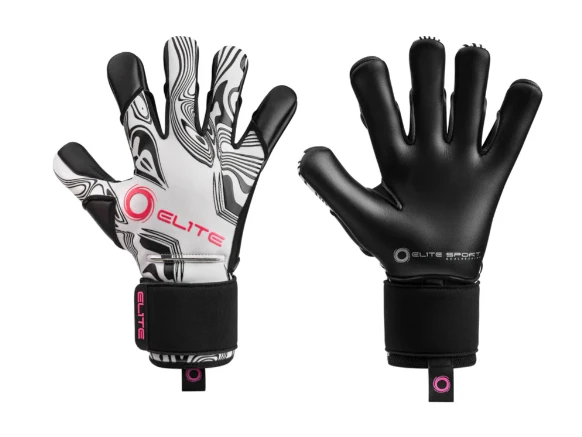
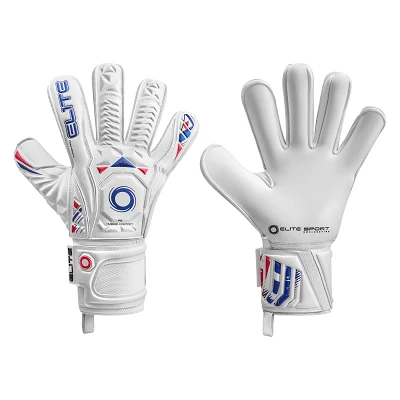
The palm of a goalkeeper glove is the most important part for grip and ball control. When playing on artificial grass, latex gloves with reinforced palms or hybrid materials tend to last longer. A combination of synthetic and natural latex often works well to balance grip and longevity.
2. Strong Stitching and Construction
Gloves used on artificial grass should have reinforced stitching and a structured design to withstand constant impact. Poorly stitched gloves will come apart quickly, leading to discomfort and reduced performance. Opt for gloves with double stitching or extra padding in high-wear areas.
3. Abrasion-Resistant Grip
While grip is essential for catching and controlling the ball, it is crucial to choose artificial grass goalkeeper gloves that maintain their effectiveness despite the wear from artificial turf. Some gloves feature special grip-enhancing coatings that provide extra control without sacrificing durability.
4. Comfort and Breathability
Artificial grass pitches tend to retain heat, making ventilation an important factor. Gloves with breathable mesh panels or moisture-wicking liners help prevent excessive sweating, ensuring comfort throughout the game.
5. Wrist Support and Closure System
A secure fit is key to avoiding injuries and ensuring a snug grip. Adjustable wrist straps, elastic cuffs, and extended wristbands help stabilize the hands and reduce strain during dives and saves.
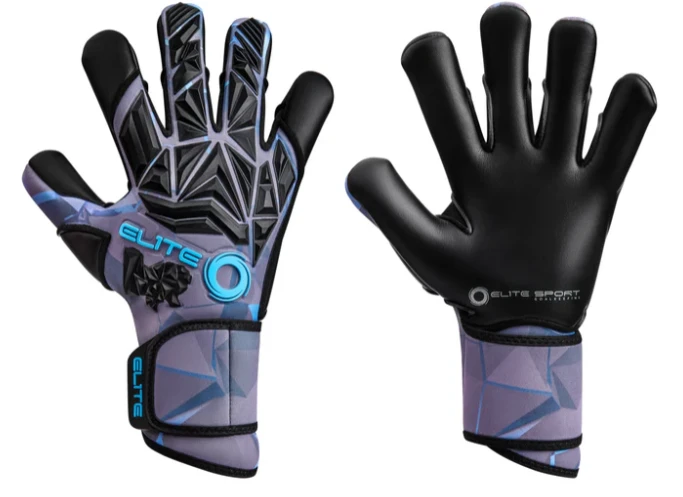
Proper Care for Artificial Grass Goalkeeper Gloves
Cleaning After Every Use
Artificial grass can leave dirt and rubber infill on gloves, which affects grip and longevity. After each session, rinse gloves with lukewarm water and gently clean the palm and fingers with a damp cloth.
Avoiding Excessive Drying
Exposing gloves to direct sunlight or heat sources can cause the latex to harden and crack. Instead, air-dry them at room temperature in a shaded area.
Storing Properly
Leaving gloves crumpled in a bag can lead to faster deterioration. Store them in a breathable glove bag or keep them flat in a cool, dry place.
Best Playing Techniques for Goalkeepers on Artificial Grass
Aside from selecting the right gloves, adapting technique to artificial grass conditions can help goalkeepers improve performance while minimizing wear and tear on their gear.
Controlled Dives
Since artificial turf is rougher, diving should be executed with better control to prevent unnecessary friction that can damage gloves.
Efficient Ball Handling
Reducing excessive sliding and making clean catches instead of parrying the ball can extend glove life while also improving overall goalkeeping skills.
Proper Warm-Up
Artificial grass can be less forgiving on joints. A solid warm-up routine, including wrist exercises, helps prevent strain and injury while improving reaction time.
Finding the Perfect Fit
Every goalkeeper has different hand shapes and sizes, making fit one of the most personal factors when choosing gloves. Too loose, and they may slip during a crucial save; too tight, and they may cause discomfort or restrict movement. Trying different cut styles, such as roll-finger, negative cut, or hybrid designs, can help find the best fit for artificial grass play.
Artificial grass goalkeeper gloves play a crucial role in performance and durability on synthetic surfaces. The right pair balances grip, longevity, and comfort, allowing goalkeepers to focus on their skills rather than worrying about their gear. By considering factors such as palm material, grip technology, and proper maintenance, goalkeepers can ensure they are always ready for top-tier performance on the pitch.




















Sign in to leave a comment.