
In the fast-paced world of construction, effective project management is crucial for successful project completion. With the complexity of construction projects, from design and planning to execution and monitoring, utilizing the best project management software for Construction can significantly enhance efficiency, collaboration, and overall project outcomes. In this comprehensive guide, we will delve into the key factors to consider when selecting project management software for construction and highlight some of the best options available in the market.
Key Factors to Consider
Before diving into the software options, it's important to identify the key factors that make project management software effective for the construction industry:
Project Scope and Size: Construction projects can vary significantly in scope and size. Your chosen software should be able to handle the specific needs of your project, whether it's a small residential development or a large commercial complex.
Collaboration: Construction projects involve various stakeholders, including architects, contractors, engineers, and clients. Look for software that facilitates seamless communication and collaboration among team members, both within and outside the organization.
Scheduling and Time Management: Construction projects are time-sensitive. The software should have robust scheduling features that allow you to create, manage, and track project timelines effectively.
Document Management: A construction project generates a vast amount of documents, including blueprints, contracts, permits, and more. The software should provide a centralized platform for document storage, sharing, and version control.
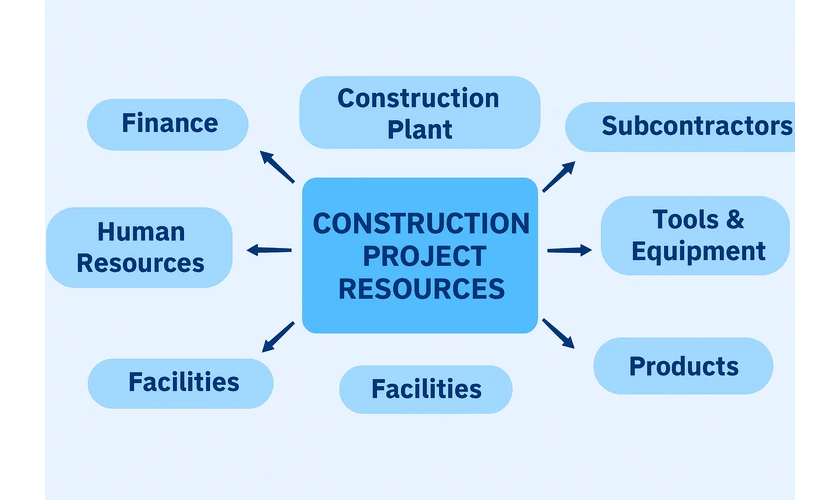
Resource Management: Efficient allocation of resources, including labor, materials, and equipment, is essential for cost control and project success. The software should help in resource planning and allocation.
Budgeting and Cost Tracking: Construction projects often have strict budget constraints. The software should offer tools for budget creation, expense tracking, and cost forecasting.
Risk Management: Construction projects are prone to risks such as delays, regulatory issues, and unforeseen challenges. The software should assist in identifying, assessing, and mitigating these risks.
Top Project Management Software for Construction
Procore: Procore is one of the most widely used construction project management platforms. It offers features such as document management, project scheduling, budget tracking, and collaboration tools. Its user-friendly interface and mobile app make it easy for teams to stay connected on-site.
PlanGrid: Owned by Autodesk, PlanGrid focuses on document management and collaboration. It allows real-time updates to blueprints, provides a platform for markups and annotations, and helps keep all stakeholders aligned.
Primavera P6: Oracle's Primavera P6 is a powerful solution for large-scale construction projects. It offers advanced project scheduling, resource management, and risk analysis capabilities.
BIM 360: Another offering from Autodesk, BIM 360 is built around Building Information Modeling (BIM) principles. It aids in collaboration through 3D models, project insights, and issue tracking.
BuilderTREND: BuilderTREND is a comprehensive solution that covers project management, scheduling, communication, and financial management. It's particularly popular among residential construction professionals.
Aconex: Aconex, now part of Oracle, focuses on document control and collaboration for complex projects. It helps manage correspondence, documents, and project communication in a centralized platform.
Conclusion
Choosing the best project management software for construction is a critical decision that can significantly impact the success of your projects. By considering factors like project scope, collaboration, scheduling, document management, resource allocation, budgeting, and risk management, you can identify the software that aligns with your project's needs. The options mentioned above—Procore, PlanGrid, Primavera P6, BIM 360, and BuilderTREND—are all reputable choices that cater to different aspects of construction project management. With the right software in place, you can streamline processes, enhance collaboration, and ensure the timely and cost-effective completion of your construction projects.












Sign in to leave a comment.