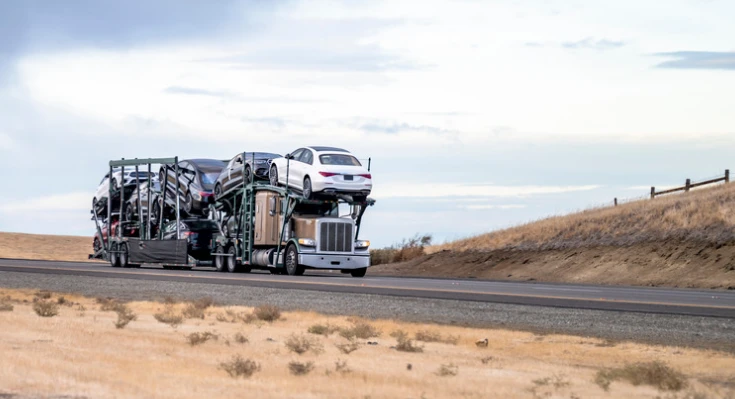

Whether you're relocating across the country, buying a car online, or sending your vehicle to a loved one, figuring out how to move your car safely and efficiently is a big decision. With so many choices available, it’s easy to feel overwhelmed. Should you go with an open car transport trailer? Or maybe enclosed shipping is better for you? The options are varied, and each has its perks and drawbacks.
This ultimate guide breaks down the process with clarity and a little bit of fun. By the time you're done reading, you’ll be equipped to make the right call for your vehicle—and feel good about it too.
Why Vehicle Shipping Isn’t One-Size-Fits-All
Not all vehicle shipping methods are created equal. The right method depends on your budget, time constraints, the type of vehicle you're shipping, and even your personal comfort level. In 2023 alone, over 15 million vehicles were shipped across the U.S., with customer preferences ranging widely between open and enclosed transport options.
Choosing the right method is a balancing act between convenience, protection, and timing. Understanding what goes into each method helps you make a decision that best matches your needs.
Understanding Open Car Transport Trailers
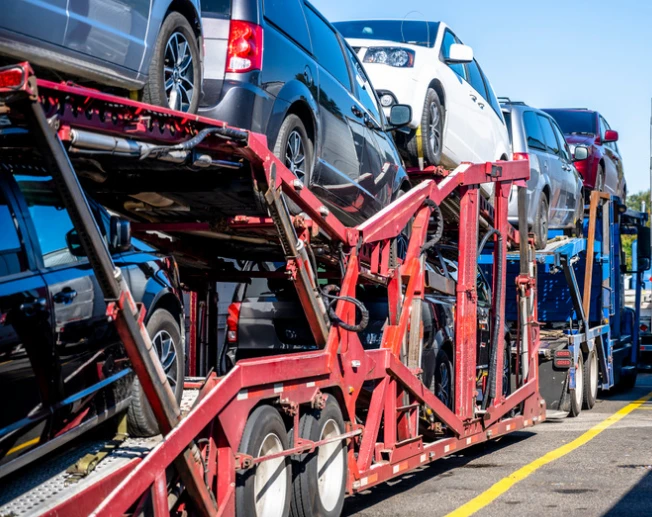
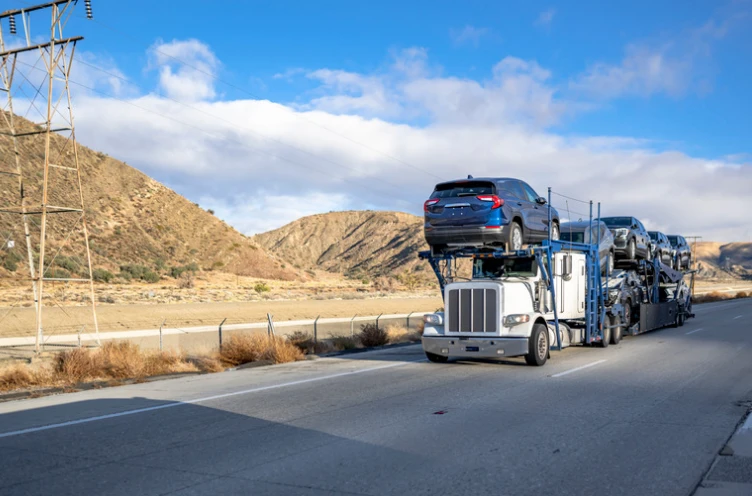
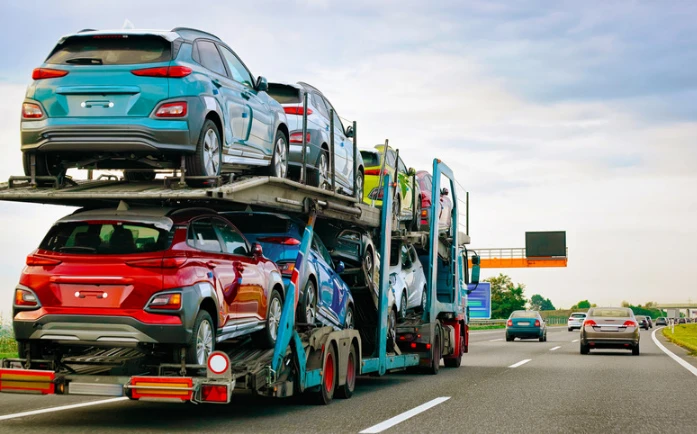
The most common and cost-effective method is open car transport. You’ve probably seen these on the highway—those two-level car transport trailers stacked with shiny new sedans. Around 90% of vehicles shipped in the U.S. use this method.
Why is it so popular? For one, open carriers can transport up to ten vehicles at a time, which makes them more efficient and widely available. They’re great for standard vehicles and shorter distances. The downside? Your car is exposed to the elements. Think rain, dust, snow, and the occasional pebble from the road.
If you're shipping a daily driver or a vehicle that’s already used to being outside, open transport is usually the best mix of affordability and accessibility.
What Makes Enclosed Auto Transport Service Special?
If you’re dealing with a luxury, exotic, or classic car, enclosed transport might be your best bet. Unlike open trailers, enclosed carriers offer a roof and walls, protecting your vehicle from the weather and road debris.
Only about 10% of transported vehicles are moved via enclosed auto transport service. That low number isn’t because the method lacks benefits—it’s simply more specialized. Most enclosed carriers hold only two to six vehicles, meaning less jostling and more personal attention. Drivers in this field often have experience handling high-value cars, which adds peace of mind for owners.
Statistically speaking, enclosed transport reduces the risk of weather-related damage by over 80% compared to open transport. For collectors and car enthusiasts, that’s a major win.
Door-to-Door vs. Terminal-to-Terminal: What’s the Difference?
Beyond the trailer type, you also need to consider how your car gets picked up and dropped off. The two main options here are door-to-door and terminal-to-terminal shipping.
Door-to-door service is exactly what it sounds like. The auto transport service picks up your vehicle at your chosen location and delivers it as close to your final destination as possible. This method is extremely convenient and saves you the hassle of dropping off or picking up your vehicle at a separate location.
Terminal-to-terminal shipping, on the other hand, requires you to bring your vehicle to a designated drop-off point and pick it up from a terminal near your destination. This method may offer more scheduling flexibility, especially for less-populated areas, but it can add time to the overall process.
According to recent data, about 72% of people prefer door-to-door shipping, thanks to its simplicity and reduced effort. But for some, especially those in rural locations or tight urban areas, terminal service remains a solid alternative.
How Long Does Vehicle Shipping Take?
Time is another crucial factor. On average, auto transport services cover around 500 miles per day. A coast-to-coast shipment, for example, might take between 7 to 10 days depending on traffic, weather, and the number of stops.
Shorter distances—say, 500 to 1,000 miles—can be covered in just 2 to 3 days. However, it’s essential to remember that drivers may have multiple pickups and drop-offs scheduled, which can add to the overall delivery time.
It’s always smart to schedule your shipment a week or two in advance to give the transport company enough time to coordinate the most efficient route.
Seasonal Shipping: Why Timing Matters
Believe it or not, the time of year plays a significant role in how smoothly your vehicle transport experience goes. Summer and early fall are peak seasons in the industry, with demand surging as families move and students relocate. The winter months, especially in snow-prone regions, can bring delays due to road conditions.
Statistically, June through August accounts for nearly 40% of all vehicle shipments annually. Planning your move outside of those months can result in more availability and fewer delays, even if it means bundling up a bit when your car arrives.
How to Choose the Right Auto Transport Service
With all the options available, the company you choose makes a big difference. A reliable auto transport service should be licensed, insured, and have good customer reviews. Look for carriers registered with the Department of Transportation (DOT) and check their safety record online.
Communication is key. A good transport service will keep you in the loop with updates and expected arrival times. Transparency about pickup windows, insurance coverage, and delivery expectations separates the pros from the rookies.
Don’t be shy about asking questions, either. Find out how many cars they carry, whether they offer GPS tracking, and what kind of contingency plans they have for delays. The more you know, the better your experience will be.
Match the Method to Your Needs
At the end of the day, the best vehicle shipping method depends on what you're driving, where you're going, and what makes you feel comfortable. If you’re shipping a commuter car and want a quick, cost-effective solution, an open car transport trailer will probably meet your needs just fine. But if you’re moving a prized possession across the country, springing for an enclosed auto transport service is likely worth the extra protection.
With over 15 million vehicles shipped annually, the auto transport industry continues to grow and evolve. Armed with the right knowledge, you can confidently hand over your keys and watch your car hit the road toward its new destination—safely, securely, and stress-free.



























Sign in to leave a comment.