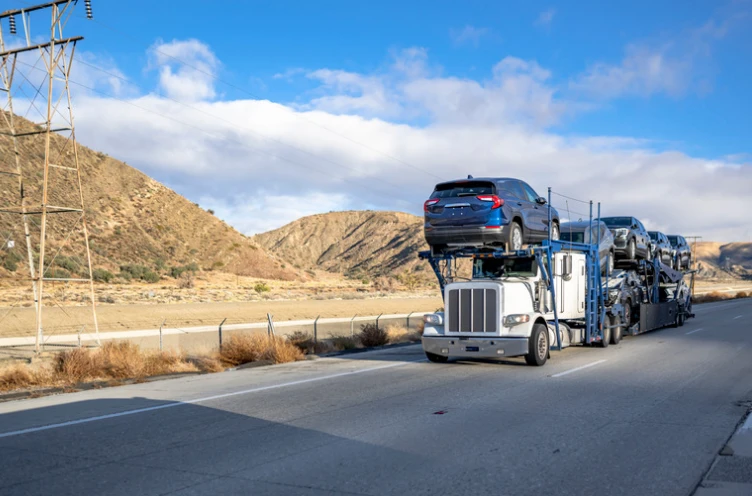

If you're planning a move, buying a car online, or sending a vehicle to a college student, chances are you've asked yourself, how much is it to transport a car to another state? The answer isn’t as straightforward as you might expect. The cost of long-distance auto shipping can vary significantly depending on a range of factors, and understanding these variables can help you plan better and avoid surprises.
Let’s dig into the fascinating mechanics behind how much to ship a car really costs and what auto transport companies consider when giving you a quote.
Distance Isn't Just Miles on a Map
The most obvious factor influencing the cost of long-distance car shipping is, of course, the distance. But it’s not just about how far the car has to travel. It’s also about the route’s accessibility and popularity.
For instance, shipping a vehicle 1,000 miles from New York to Florida may cost less per mile than shipping it 600 miles into a remote area of Montana. Why? Routes that are commonly traveled by carriers often come with competitive pricing due to higher demand and easier logistics. On the other hand, if a carrier has to go out of their way to a less populated region, that deviation might add time, complexity, and therefore cost.
Interestingly, the average cost per mile for auto shipping drops as the distance increases. A short 100-mile move might average around $1.60 per mile, while a 1,000-mile journey could drop to approximately $0.60 per mile, according to industry averages.
The Size and Weight of Your Vehicle
Your car’s dimensions have a big impact on the final cost. Larger and heavier vehicles like SUVs, trucks, and vans take up more space on a trailer and add more weight. Since most transport carriers have strict limits on how much they can haul, fitting your oversized pickup might mean fewer cars on the load, which affects pricing.
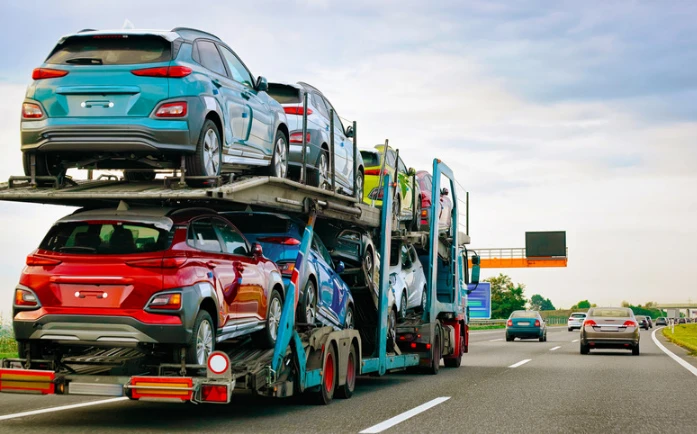
A compact sedan will almost always be cheaper to ship than a lifted truck with oversized tires or a classic Cadillac with extended dimensions. The average auto transport carrier can hold between 7 to 10 vehicles depending on their size. So the bigger your car, the fewer vehicles the carrier can accommodate — and the higher the cost to you.
Type of Transport: Open vs. Enclosed
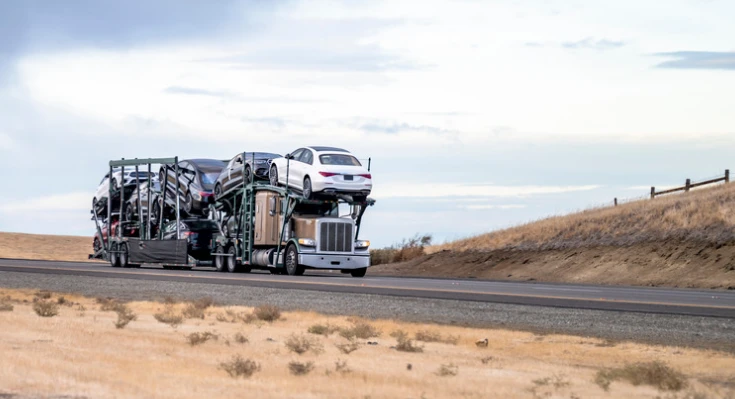
When people search how much to ship a car, they often overlook the importance of the shipping method. The most common option is open transport, where cars are loaded onto an open-air trailer — the kind you’ve probably seen on the highway.
This method is efficient and widely used, but it leaves your vehicle exposed to the elements. It’s a fine choice for everyday cars, but if you're shipping a luxury, exotic, or classic vehicle, you might want enclosed transport, which offers more protection.
Enclosed transport typically costs more, but it also comes with extra perks like enhanced security and protection from road debris, weather, and curious eyes. Roughly 90% of vehicles are shipped via open carriers, but the 10% that use enclosed shipping are often high-value vehicles where peace of mind is worth the premium.
Timing Can Make or Break Your Quote
Like airlines, auto transport has peak seasons. The time of year you choose to ship your vehicle can significantly affect pricing. Summer is usually the busiest time, with more people moving and buying cars. That demand can push costs up.
Winter, especially around holidays, can also be expensive and riskier due to harsh weather and fewer drivers on the road. Spring and early fall tend to be the sweet spots, offering more availability and often better rates.
For example, industry data shows that January and August are two of the most expensive months to ship a car, while April and October typically offer lower rates and more flexible scheduling.
Pick-Up and Delivery Preferences
Auto transport companies usually offer two main types of delivery: terminal-to-terminal and door-to-door. Terminal-to-terminal means you’ll drop off and pick up your car at designated locations, usually in larger cities. It’s generally less expensive but may require extra travel and time on your part.
Door-to-door delivery, on the other hand, involves the carrier coming directly to your specified locations. This is convenient, especially in urban areas, but might not be feasible if you live on a narrow street or a location that's difficult to access with a large carrier truck. Carriers may still require a nearby meetup point, adding some flexibility but also potential extra cost.
Vehicle Condition Matters
Is your car running? It sounds like a simple question, but it’s a crucial one. If your vehicle is inoperable and can’t be driven onto a trailer, it will need special equipment for loading and unloading, like a winch or forklift.
Shipping a non-running car adds an extra layer of logistics, which translates into a higher cost. Approximately 15% of all cars shipped annually are considered non-operational, and each one requires additional planning and tools, making them more expensive to handle.
Fuel Costs and Carrier Availability
While we’re not mentioning actual fuel prices, it’s important to understand that fuel fluctuations play a role in determining the cost of car shipping. Transport companies monitor diesel prices closely, as it directly impacts their expenses and pricing models.
Additionally, the availability of carriers in your area can influence the cost. If you're in a major city with lots of drivers and demand, you'll likely find better rates. But in rural areas, fewer carriers and longer lead times can drive up costs.
Demand and Market Dynamics
Auto transport is like any other market — it's influenced by supply and demand. During certain times of the year, like college move-in season or snowbird migration in the fall and spring, demand spikes. For example, between September and November, many retirees ship their vehicles south for the winter, creating heavy demand along routes from the Midwest to Florida.
More demand means fewer available spots on trailers, and that can raise prices. Understanding these seasonal trends can help you better time your shipment and potentially save money.
Planning Ahead Is Key
By now, it should be clear that the question, how much is it to transport a car to another state, doesn’t have a one-size-fits-all answer. The cost to ship a car depends on distance, vehicle type, transport method, timing, and even the route’s popularity.
If you’re trying to get the best deal, the key is planning ahead. Booking early, choosing flexible pickup windows, and understanding your options can go a long way in saving time, stress, and money. Plus, now that you know what goes into these costs, you can approach the process with confidence and make informed decisions.
Next time someone asks you how much to ship a car, you’ll not only have an idea of the answer — you’ll understand the why behind it.




























Sign in to leave a comment.