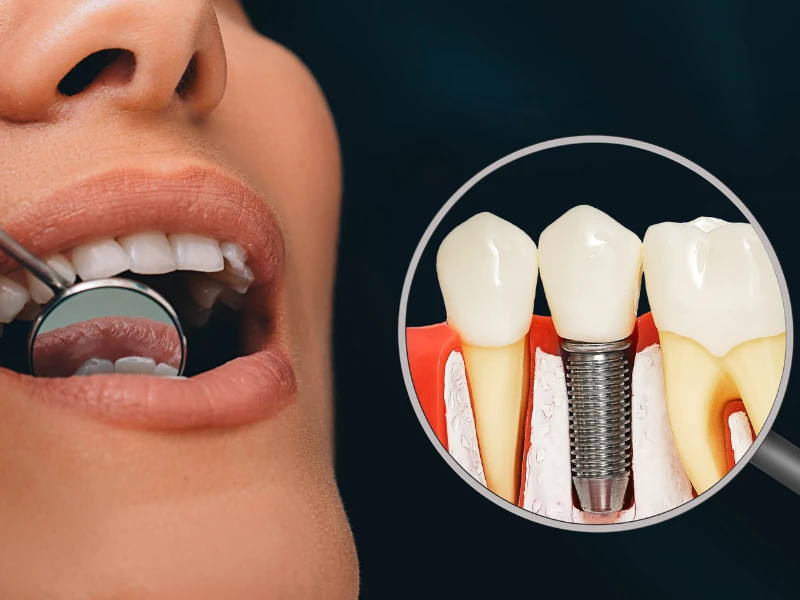

Dental implants have revolutionized the way we approach tooth replacement, offering a more permanent, natural-looking solution than traditional dentures or bridges. Whether you're missing one tooth or several, dental implants can provide a reliable, functional, and aesthetically pleasing solution. In this ultimate guide, we’ll explore everything you need to know about dental implants: the benefits, the procedure, and the aftercare you need to ensure the long-term success of your implants.
What Are Dental Implants?
Dental implants are artificial tooth roots, typically made of titanium, that are surgically placed into the jawbone to support replacement teeth or bridges. Unlike traditional dentures, which rest on the gums, implants fuse with the bone to create a stable and durable foundation for a crown or prosthetic tooth. This unique process of fusing to the bone is called osseointegration, and it's what makes dental implants so effective and long-lasting.
Why Choose Dental Implants?
There are many reasons why dental implants may be the best choice for those missing teeth:
1. Long-Term Durability and Stability
Dental implants are designed to last a lifetime with proper care. Because they are anchored directly into the jawbone, they offer greater stability and longevity than other tooth replacement options. Most dental implants can last 20 years or more, making them a reliable long-term investment.
2. Improved Appearance and Comfort
Unlike traditional dentures, which can slip or cause discomfort, dental implants are securely fixed in place. They look and feel like natural teeth, providing both aesthetic and functional benefits. The crown that sits on top of the implant is custom-made to match the size, shape, and color of your natural teeth, giving you a seamless smile.
3. Better Oral Health
Dental implants help preserve bone density in the jaw, which can deteriorate when teeth are lost. The implant acts as a substitute for the missing tooth root, stimulating the bone and preventing further bone loss. Additionally, dental implants don't require the alteration of adjacent healthy teeth, as is often the case with dental bridges.
4. Enhanced Confidence
Missing teeth can significantly impact your confidence, making it difficult to smile or speak freely. With dental implants, you’ll feel more confident in social and professional situations, knowing your smile is secure and natural-looking.
5. No Slipping or Shifting
One of the main frustrations with dentures is that they can slip or shift in the mouth, especially when eating or speaking. Dental implants, on the other hand, stay securely in place, providing a stable and comfortable fit.
If you are searching for Painless Dental Implant treatment in Chandkheda Ahmedabad, you’ll be pleased to know that modern implant dentistry has evolved significantly. At this stage in your research, it's important to choose a clinic that prioritizes comfort, precision, and long-term results. That’s exactly what DANTBATRISA – The Family Dentist is known for. Their advanced techniques and compassionate approach ensure a smooth and hassle-free implant experience for patients of all ages.
The Dental Implant Procedure
The dental implant procedure involves several steps, and the process can take several months to complete. Here's a breakdown of what to expect:
1. Consultation and Assessment
The first step is a consultation with your dentist or oral surgeon. They will conduct a thorough examination, which may include X-rays and 3D imaging, to assess the health of your jawbone and determine if you're a good candidate for dental implants. If you don’t have enough bone density, bone grafting may be required before the implant placement.
2. Implant Placement Surgery
During the surgery, a small incision is made in the gum tissue to expose the jawbone. The titanium implant is then carefully placed into the bone. This procedure is typically done under local anesthesia, so you won’t feel any pain during the surgery. In some cases, sedation may be used for additional comfort.
After the implant is placed, you’ll need to wait for the osseointegration process to occur. This typically takes 3 to 6 months, during which time the implant fuses with the bone.
3. Abutment Placement
Once the implant has fully integrated with the bone, an abutment is placed on top of the implant. The abutment is a small connector that holds the artificial tooth or crown in place. This procedure is usually done under local anesthesia and may involve only a small incision to expose the implant.
4. Crown Placement
After the abutment is placed, a custom-made crown is attached to the abutment. The crown is designed to match the size, shape, and color of your surrounding teeth, ensuring a natural look and feel.
Aftercare for Dental Implants
Proper aftercare is crucial for the long-term success of your dental implants. Here are some essential tips to ensure your implants remain healthy and functional:
1. Follow Post-Operative Instructions
After the implant placement surgery, your dentist will provide detailed post-operative instructions. These may include recommendations for pain management, such as taking prescribed painkillers or over-the-counter medications. You may also be advised to avoid certain foods and activities to allow the implant to heal properly.
2. Maintain Good Oral Hygiene
Just like natural teeth, dental implants require regular cleaning to prevent infection and ensure long-term success. Brushing twice a day and flossing daily is essential. Use a soft-bristled toothbrush and a non-abrasive toothpaste to avoid damaging the implant or crown.
You may also want to use an antibacterial mouthwash to reduce the risk of infection around the implant site. Additionally, your dentist may recommend using an interdental brush or floss threaders to clean around the implant and gum line more effectively.
3. Attend Regular Dental Check-ups
Regular dental check-ups are essential to ensure that your implants are in good condition and functioning properly. Your dentist will monitor the health of the implant and surrounding gums, checking for signs of infection or other issues. Routine cleanings will also help prevent plaque buildup around the implant.
4. Avoid Hard or Sticky Foods
After getting dental implants, it's important to avoid hard or sticky foods, especially during the initial healing period. These foods can put excessive pressure on the implant and cause discomfort or damage. Once the implant has fully healed, you can return to eating most foods without restriction.
5. Quit Smoking
Smoking can significantly hinder the healing process and increase the risk of implant failure. If you smoke, it’s recommended that you quit, or at least reduce smoking, during the recovery period to give your implant the best chance of success.
Potential Risks and Complications
While dental implants are generally safe and effective, like any surgical procedure, there are some risks and potential complications to be aware of:
- Infection: As with any surgery, there’s a risk of infection around the implant site.
- Implant Failure: In rare cases, the implant may not fuse with the bone properly, leading to implant failure.
- Nerve Damage: Though uncommon, nerve damage can occur during the placement of the implant, leading to numbness or tingling in the surrounding areas.
Conclusion
Dental implants are a revolutionary solution for those looking to restore their smile and regain confidence after losing teeth. They offer numerous benefits, from improved appearance and comfort to long-term durability and better oral health. While the procedure itself involves several stages, the results are well worth the investment.
If you're considering dental implants, it’s important to consult with a qualified dental professional to determine if they are the right option for you. With proper care and regular dental visits, dental implants can provide a lifetime of beautiful, functional smiles.






























Sign in to leave a comment.