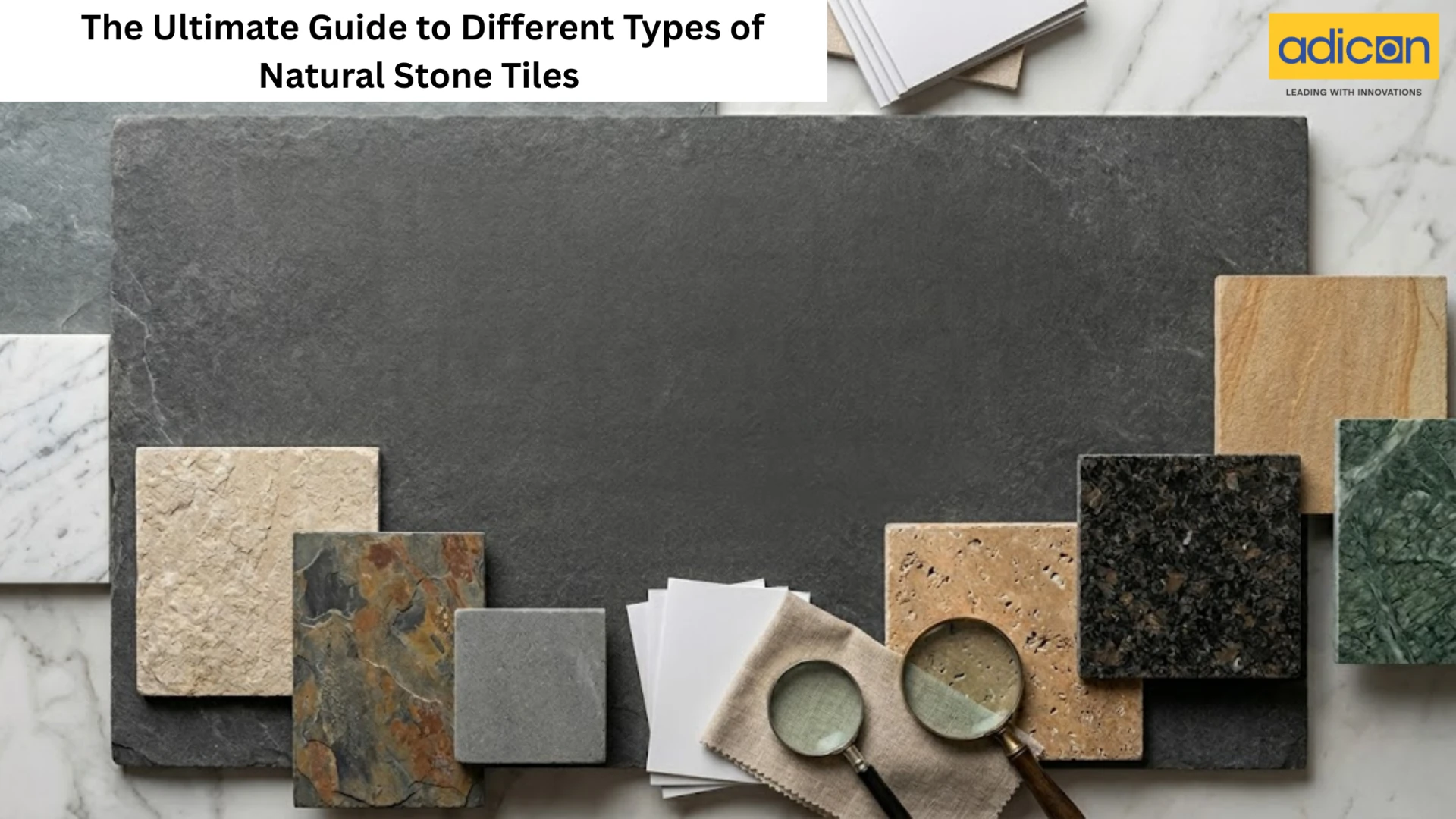

When seeking an elegant, stylish look, homeowners are constantly searching for alternatives to flooring and tiling. Apart from a variety of tile options available, achieving a natural look is a remarkable concern. For this reason, natural materials have always played a decisive role in home design. They bring character, warmth, and a unique sense of timeless beauty that manufactured materials primarily struggle to match.
Among these options, natural stone tiles continue to stand out for their elegance, strength, and versatility. When interior designers and homeowners explore the different types of natural stone tiles, they primarily discover a wide range of choices that suit both modern and traditional spaces.
Natural stone offers durability and intuitive visual appeal, from flooring and walls to patios and accent areas. Each stone carries its own color variations, patterns, and textures, making every installation unique. Knowing the available options perfectly helps homeowners select the right material for their design goals and practical requirements.
Essential Reasons Natural Stone Tiles Remain A Popular Choice
A variety of natural stones have been used in construction and design for decades. Even today, it remains one of the most trusted natural stone flooring materials because of its timeless look and durability. Apart from synthetic materials, natural stone forms over many years through geological processes.
This type of natural formation gives each tile minute variations in pattern and color. These details add character and depth to interiors and outdoor spaces. Many homeowners and interior designers also select the stone because it provides durable, natural stone flooring that performs well in high-traffic areas.
When installed and properly cared for, stone flooring can last for decades while maintaining its natural beauty. Different types of natural stone adapt easily to various design styles. Suppose the primary objective is achieving contemporary elegance, rustic charm, and classic luxury. Stone surfaces combine well with various materials such as metal, glass, and wood.
A List Of A Wide Variety Of Natural Stone Tiles
Granite Tiles
Granite is the hardest natural stone available. This strength makes it a practical choice for high-traffic or regularly used areas. These types of granite tiles are popular for hallways, kitchens, and outdoor spaces because they offer durable, natural stone flooring that resists wear. The stone’s natural resistance to moisture and heat makes it suitable for outdoor environments.
A wide range of granite surfaces primarily showcases deep mineral colors and speckled patterns, giving them a bold and textured appearance. These qualities make granite a practical and visually appealing option among many stone tile types and uses.
These types of granite tiles also come in various natural stone tile textures and finishes, including honed, polished, and flamed surfaces.
Marble Tiles
Marble is widely recognized for its refined, stylish appearance. It has long been associated with premium interiors and architectural beauty. Marble tiles primarily highlight subtle color variations and soft veining patterns, creating a sophisticated look.
Marble is primarily selected for luxury natural stone flooring in entryways, living rooms, and bathrooms. It increases the modern bathroom trend by adding brightness and style to interior spaces.
Also, marble works well for decorative elements and feature walls. Interior designers regularly use it in natural stone wall cladding ideas to generate a statement surface that stands out. While marble is beautiful, it does need regular natural stone tile maintenance to safeguard the surface from scratches and stains. Proper sealing helps maintain its appearance for many years.
Sandstone Tiles
The natural material, sandstone, brings warm and earthy tones that create a welcoming atmosphere. Its natural shades primarily include soft reds, tans, browns, and golds. This sandstone tile is primarily used in natural wall cladding to create textured feature walls that add depth to outdoor structures.
This stone is commonly used for outdoor landscaping, patios, and garden pathways. It is because the sandstone is more porous than some other stones; proper natural stone tile installation and sealing are necessary to protect the surface from weather exposure and moisture.
Limestone Tiles
The limestone provides a softer, more minute look compared to granite and marble. The natural tones of these tiles include light gray, cream, and beige, creating calm, welcoming interiors. This natural stone works well in homes that favor a warm, relaxed design style.
These tiles are primarily used as indoor natural stone tiles in bathrooms, kitchens, and living areas. It is because limestone has a naturally smooth texture, which contributes to a comfortable walking surface. It also combines beautifully with wood and neutral color palettes. However, limestone is slightly softer than some other stones.
The perfect natural stone tile installation and sealing are necessary to protect the surface from stains and moisture.
Travertine Tiles
Natural stone, such as travertine, is known for its distinctive patterns and textures. Small holes and precise ridges create an organic appearance that adds character to both outdoor and indoor spaces.
For this reason, travertine tiles are regularly used for outdoor natural stone tiles on pool decks, patios, and garden pathways. The tile surface stays relatively cool in warm weather, which makes it comfortable for outdoor walking areas.
In indoor spaces, these tiles also fit well in bathrooms and living rooms. It is often included in various natural stone design ideas for its textured finish and earthier tones.
The travertine material comes in various natural stone tile textures and finishes, including filled, honed, polished, brushed, and tumbled styles that offer different levels of texture and smoothness.
Slate Tiles
Slate material has long been used for achieving a strong, natural appearance with layered textures and darker color variations. A variety of common shades includes rust tones, deep gray, green, and charcoal.
Because of its slip-resistant surface, slate is primarily selected for dedicated areas that need additional grip.
It is regularly used as outdoor natural stone tiles for halls, walkways, patios, and entry paths. Slate material also works well in indoor areas, such as mudrooms and kitchens, where traction and durability are necessary.
These advanced qualities make it one of the best natural stone tiles for home projects that require both practicality and style. The textured surface of slate also contributes to unique natural stone tile textures and finishes that increase visual depth.
Popular Applications Of Natural Stone Tiles
Versatility is one of the greatest benefits of natural stone. Homeowners use it in many areas of the home to achieve both decorative and functional objectives. Many interior designers recommend indoor natural stone tiles for bathrooms, living rooms, and kitchens. These surfaces add natural character while increasing durability.
Outdoor areas also benefit from a variety of outdoor natural stone tiles that resist changing weather conditions. Diverse applications, such as patios, pool areas, and garden paths, often highlight stone flooring because it remains attractive and strong over time.
Stone tiles are also widely used in feature walls and architectural details. Many homeowners explore creative natural stone design ideas, such as fireplaces, accent walls, and textured backsplashes.
Valuable Tips For Natural Stone Tile Installation
Proper natural stone tile installation plays a decisive role in achieving long-lasting results.
Professional installation confirms that the tiles are correctly sealed, aligned, and supported. The tile installation process primarily starts with preparing a stable surface.
This foundation helps avoid shifting or cracking over time. Grouts and adhesives should be carefully selected based on the stone type and installation location. For example, outdoor projects may need stronger bonding materials that handle weather exposure.
After installation, sealing the stone protects it from moisture and stains while preserving its texture and natural color.
Caring And Maintenance For Natural Stone Tiles
Regular natural stone tile maintenance helps preserve both the durability and appearance of the stone surfaces. Simple cleaning with mild soap and water primarily keeps tiles looking fresh. You should avoid harsh chemicals, as they may damage the stone surface.
Sealing is another essential part of the maintenance schedule. Many natural stones benefit from periodic sealing to protect them from staining and moisture. Regular care also helps preserve the stone's natural patterns and colors.
Selecting The Right Stone For Your Home
Choosing the best natural stone tiles for home projects depends on factors such as style preferences, location, and maintenance requirements. A variety of harder stones, such as slate or granite, offer greater durability in high-traffic areas.
In contrast, softer natural stones like travertine or limestone provide a softer appearance that works well in relaxed living spaces. Design choices also play a decisive role in the selection process. Some homeowners prefer polished surfaces for stylish interiors, while others select the textured finishes for outdoor or rustic environments.
By understanding the types and uses of stone tiles, interior designers and homeowners can select materials that balance design aesthetics, functionality, and long-term performance.


























Sign in to leave a comment.