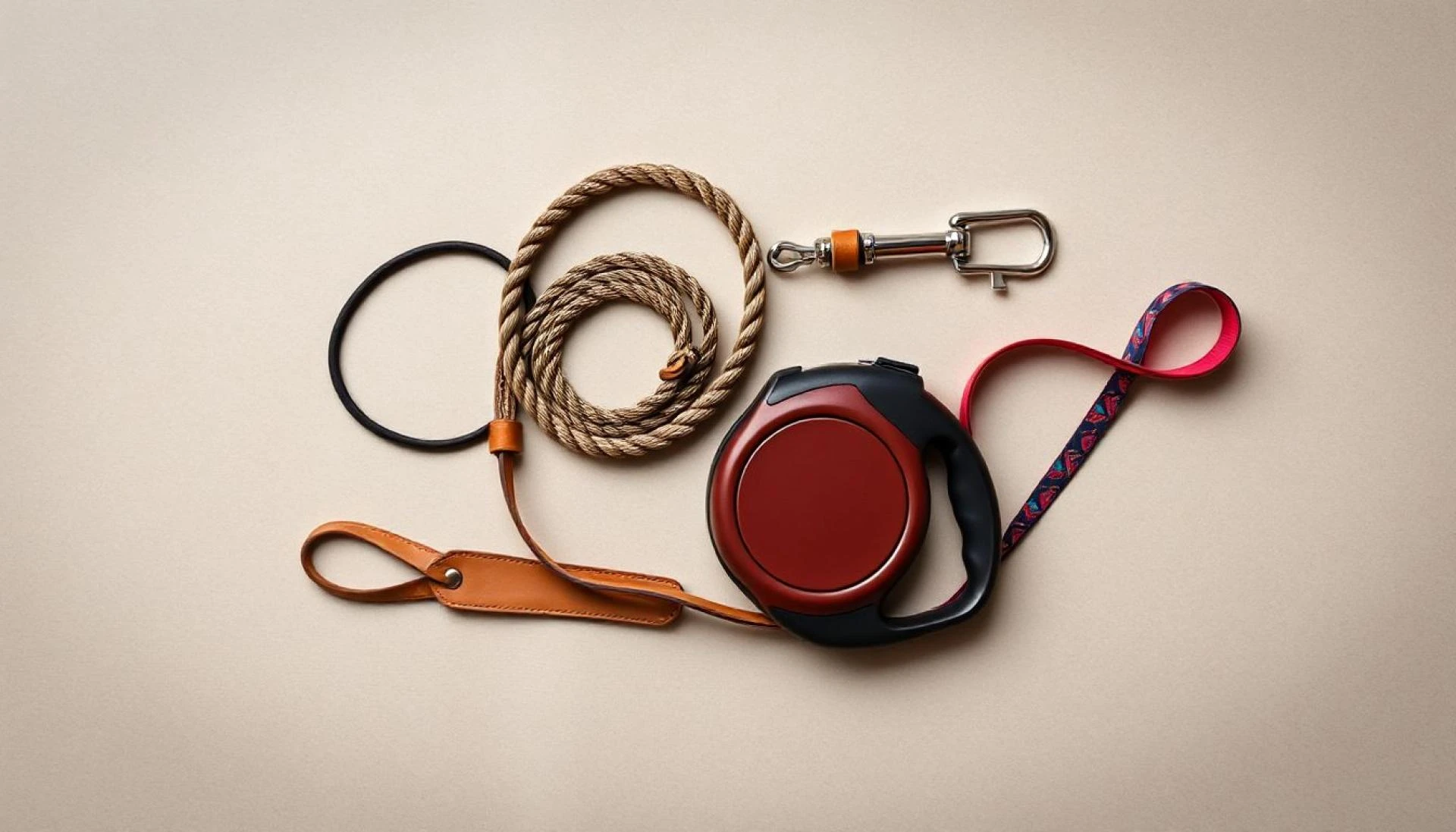

Dog Leads & Leashes are essential tools that go far beyond being simple pet accessories. They are key to safe, controlled, and enjoyable walks with your dog. A well-chosen leash not only protects your dog in busy or unpredictable environments but also helps establish boundaries and reinforce positive behavior. Selecting the right option improves your dog’s experience and gives you confidence as a responsible pet owner.
With a vast range of choices available—varying in material, design, and function—it’s easy to feel overwhelmed. This comprehensive guide breaks down everything you need to know about Dog Leads & Leashes to help you make the best decision for your dog’s lifestyle, size, and temperament.
Types of Dog Leads & Leashes: Know What Suits Your Dog Best
1. Standard Flat Leads (Nylon & Webbing)
Flat leads are the go-to choice for everyday use. Made from durable materials like nylon or webbing, they typically measure 4 to 6 feet in length. Ideal for casual walks and basic obedience training, these Dog Leads & Leashes are dependable and affordable.
Pros:
- Easy to clean
- Strong and long-lasting
- Budget-friendly
Cons:
- May cause friction burns if your dog pulls
- Can get tangled around your dog's legs
2. Retractable Leashes
Retractable Dog Leads & Leashes allow more exploration by extending via a thin cord or tape inside a plastic handle. You can control the length with a button, offering flexibility for curious pups.
Pros:
- Freedom to explore
- Adjustable range
Cons:
- Cord may snap under pressure
- Risk of injury if wrapped around limbs
- Can lead to loss of control in high-traffic areas
Always keep the leash locked short in public or crowded places for safety.
3. Martingale and Slip Leads
These types tighten gently when tension is applied and loosen when relaxed. They are especially useful for dogs who try to slip out of collars, such as sighthounds or nervous rescues.
Pros:
- Prevents escape
- Useful for training sessions
Cons:
- Needs proper fit to avoid discomfort
- Should be used with care and supervision
Martingale Dog Leads & Leashes are ideal for breeds like Greyhounds or Whippets that have narrow heads.
4. Hands-Free & Bungee Leashes
Hands-free leashes attach to your waist or shoulder, while bungee versions absorb shocks during pulling. These Dog Leads & Leashes are perfect for active dog parents who enjoy running, hiking, or multi-tasking on the go.
Pros:
- Comfort during activities
- Reduced stress on joints
- Allows better movement
Cons:
- Not suitable for strong pullers without training
Choosing Materials: Comfort Meets Durability
Nylon/Webbing
- Strong, water-resistant, and affordable
- May cause chafing without padding
Leather
- Durable and softens over time
- Requires maintenance to prevent cracking
Biothane/Waterproof Coated
- Modern, weather-resistant, and easy to clean
- Doesn’t absorb moisture or odor
When choosing Dog Leads & Leashes, consider both your grip comfort and your dog’s neck comfort.
Hardware: Reliable and Secure Connections
Leash clips and clasps are crucial. Common options include:
- Bolt Snaps – Reliable and widely used
- Trigger Snaps – Easy one-hand release
- Swivel Clasps – Prevent leash twisting
Ensure that the clip matches your dog’s size and strength. A weak clasp on a powerful dog is a risk.
Handle Design Tips:
- Look for padded handles for comfort
- Consider multi-loop designs for better control
Length & Width: Tailor Fit for Your Dog
- 4-foot leads: Great for crowded areas or training
- 6-foot leads: Ideal for general walking
- 10-30 foot leads: Best for recall training and open spaces
Width also matters. Choose a thicker lead for large or strong dogs and a lighter one for small breeds to avoid strain.
How to Choose the Right Lead Based on Size & Temperament
Small Dogs
- Need lightweight, thin leads with small clasps
- Too much weight can feel restrictive
Medium Dogs
- Do well with standard 6-foot nylon leads
- Offers a balanced mix of control and freedom
Large Breeds
- Require heavy-duty Dog Leads & Leashes
- Prioritize strength, grip comfort, and secure clasps
Training and Behavior Considerations
- Pullers: Use front-clip harnesses with standard leads or martingale-style leads
- Anxious dogs: A short, secure lead helps manage reactions and builds confidence
- Puppies: Start with a simple 6-foot lead and focus on consistent use
Breed-Specific Tips
- Sighthounds: Use martingale or slip leads to prevent slipping out
- Bulldogs: Avoid pressure on the neck—opt for supportive harness-compatible leads
- Working dogs: Use durable, task-specific Dog Leads & Leashes for control and function
Best Practices for Safe & Effective Lead Use
Proper Grip
Avoid wrapping the leash around your wrist. Use a loop grip to prevent rope burns or injuries. This technique ensures a firm hold and minimizes sudden tension.
Introducing the Lead
Make the leash part of your dog’s environment early on. Use treats, play, and short walks to build positive associations—especially for puppies or shy rescues.
Maintenance Matters
Inspect your Dog Leads & Leashes regularly for wear and tear:
- Check stitching and hardware
- Replace if frayed or damaged
- Clean based on material (soap and water for nylon; conditioner for leather)
Strengthen the Bond with the Right Dog Leads & Leashes
Choosing the right Dog Leads & Leashes is more than a practical decision—it’s an investment in your dog’s safety, comfort, and training journey. From material and hardware to breed and activity level, every factor matters.
A reliable leash not only keeps your dog secure but also enhances communication, trust, and shared experiences. Take time to assess your dog’s needs and choose a lead that supports both of you on your adventures together.

























Sign in to leave a comment.