
Introduction
After an intense workout, the body undergoes significant stress and strain. Effective post-workout recovery is essential to restore energy levels, repair muscle tissue, and prepare for future training sessions. This guide explores various methods and practices that contribute to optimal post workout recovery, helping athletes and fitness enthusiasts alike maximize their performance and well-being.
Understanding Post-Workout Recovery
Post-workout recovery refers to the strategies and practices implemented after exercise to aid the body in healing and regeneration. Recovery is crucial for several reasons:
- Muscle Repair: Intense workouts can cause micro-tears in muscle fibers. Recovery allows the body to repair these tears, leading to muscle growth and strength improvements.
- Restoration of Energy: During exercise, the body depletes its energy stores. Recovery helps replenish glycogen levels, essential for sustained performance.
- Prevention of Injury: Proper recovery reduces the risk of overuse injuries and muscle imbalances, which can occur from inadequate rest.
Key Components of Effective Recovery
1. Hydration
Staying hydrated is vital for recovery. Water plays a crucial role in various bodily functions, including temperature regulation, joint lubrication, and nutrient transport. Fluid loss during exercise can lead to dehydration, negatively impacting recovery and performance.
Tips for Hydration:
- Drink water before, during, and after workouts.
- Consider electrolyte-replenishing drinks if workouts are particularly intense or prolonged.
2. Nutrition
Nutrition is a cornerstone of recovery. Consuming the right nutrients helps repair muscle tissue and replenish energy stores. A balanced post-workout meal should include:
- Protein: Essential for muscle repair and growth. Aim for high-quality protein sources such as lean meats, dairy, or plant-based proteins.
- Carbohydrates: Important for replenishing glycogen stores. Whole grains, fruits, and vegetables are excellent choices.
- Healthy Fats: Include sources of healthy fats, such as avocados and nuts, to support overall health.
3. Rest and Sleep
Rest is often overlooked but is one of the most critical aspects of recovery. The body repairs itself during sleep, making adequate rest vital for recovery. Sleep enhances mental clarity, mood, and overall performance.
Tips for Better Sleep:
- Establish a regular sleep schedule.
- Create a relaxing bedtime routine to improve sleep quality.
- Limit screen time before bed to reduce blue light exposure.
Recovery Techniques
1. Stretching and Mobility Work
Stretching helps alleviate muscle tightness, improve flexibility, and enhance overall mobility. Incorporating static and dynamic stretches into the recovery routine can aid in muscle relaxation and reduce soreness.
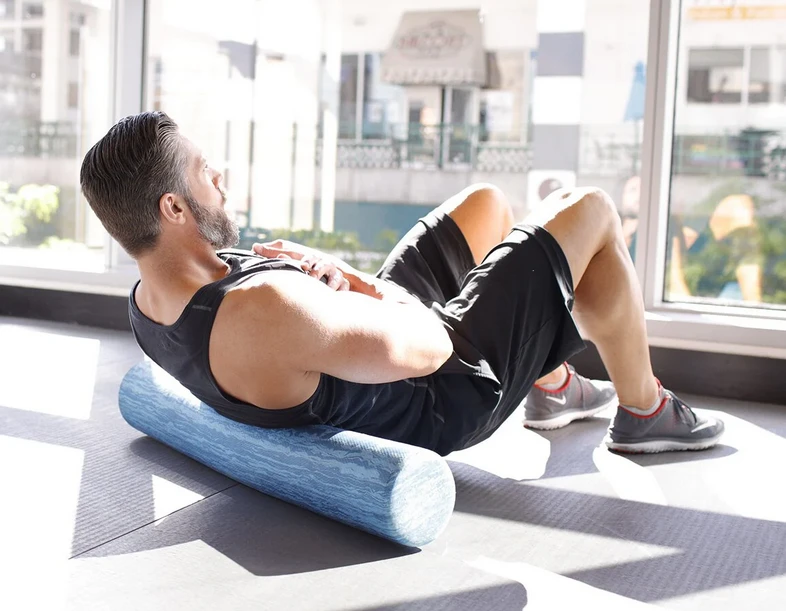
2. Foam Rolling
Foam rolling is a form of self-myofascial release that helps alleviate muscle tension and improve blood flow. By targeting specific muscle groups, athletes can enhance recovery and reduce the risk of soreness.
3. Massage and Manual Therapy
Professional massage therapy can aid in muscle recovery, improve circulation, and promote relaxation. Techniques such as deep tissue massage or trigger point therapy can be particularly beneficial for sore muscles.
4. Contrast Therapy
Contrast therapy involves alternating between hot and cold treatments, such as hot baths followed by ice baths. This technique can enhance circulation, reduce inflammation, and promote muscle recovery.
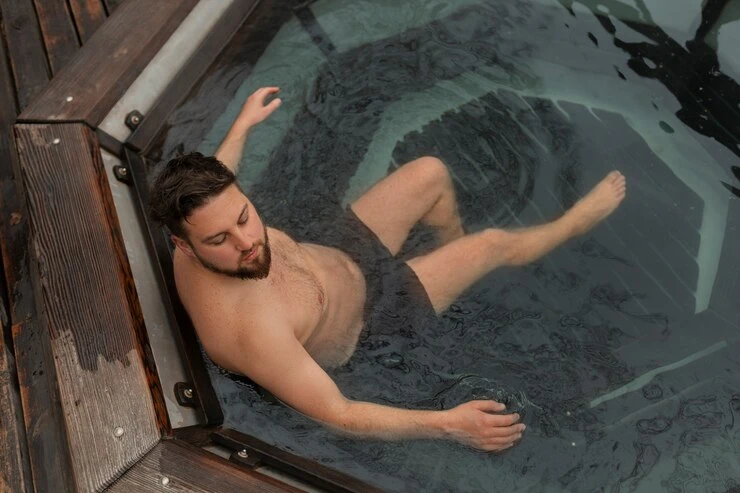
5. Ice Baths
Ice baths are a popular recovery method among athletes. The cold water immersion helps reduce inflammation and muscle soreness, allowing for quicker recovery after intense workouts.
The Role of Recovery Centers
Recovery centers have become increasingly popular as more individuals recognize the importance of post-workout recovery. These centers offer a range of treatments and services designed to enhance recovery, including:
- Infrared Saunas: These saunas promote relaxation and can aid in muscle recovery by improving circulation.
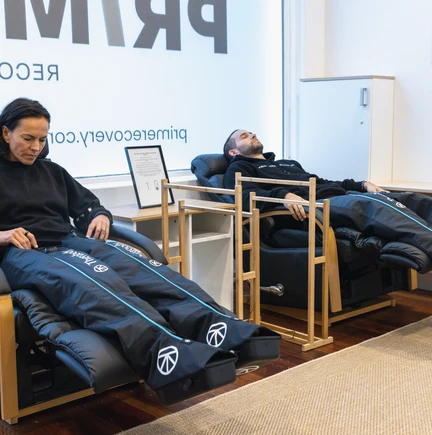
- Compression Therapy: This technique uses pressure to aid in the recovery of muscles and reduce soreness.
- Massage Gun Therapy: Handheld devices that provide percussive therapy can relieve muscle tension and enhance recovery.
Such facilities provide a holistic approach to recovery, allowing individuals to customize their recovery routines based on their specific needs.
Conclusion
Effective post-workout recovery is essential for anyone looking to maximize their athletic performance and maintain overall health. By incorporating proper hydration, nutrition, rest, and various recovery techniques, individuals can significantly enhance their recovery processes. Facilities like Prime Recovery offer a comprehensive range of recovery options tailored to support optimal fitness and well-being. To explore their services further, visit their location





























Sign in to leave a comment.