

Introduction
In the fast-paced world of hospitality, efficient logistics play a critical role in ensuring smooth operations and exceptional guest experiences. Whether managing hotel supplies, coordinating large-scale events, or streamlining restaurant supply chains, logistics serve as the backbone of the industry. From procurement and transportation to warehousing and technology integration, a well-structured logistics system ensures cost-effectiveness and reliability.
This guide explores the significance of logistics in hospitality, key components, challenges, and best practices to optimize operations effectively.
Understanding Logistics in the Hospitality Industry
What is Hospitality Logistics?
Logistics in hospitality refers to the systematic management of supply chain operations, transportation, and inventory to ensure smooth and timely service delivery. It encompasses the entire process of sourcing raw materials, storing them, and distributing them efficiently to various establishments such as hotels, resorts, restaurants, and event venues.
Industries That Rely on Logistics in Hospitality
Several sectors within the hospitality industry depend on logistics for their operations, including:
- Hotels & Resorts – Managing housekeeping supplies, food and beverage procurement, and room service efficiency.
- Restaurants & Catering Services – Ensuring fresh food deliveries, kitchen equipment supply, and waste management.
- Event Management & Conferences – Coordinating venue setup, transportation, and on-site logistics.
- Cruise Lines & Airlines – Handling passenger services, in-flight catering, and luggage management.
Importance of Efficient Logistics in Hospitality
Efficient logistics enhance operational efficiency and contribute to an overall positive customer experience. Some key benefits include:
1. Enhancing Guest Experience
Seamless logistics ensure that hotels and restaurants never run out of essential supplies, allowing them to maintain consistent service quality. Timely deliveries and effective inventory management prevent delays, leading to higher guest satisfaction.
2. Cost-Effectiveness & Profitability
Optimized logistics reduce operational costs by minimizing wastage, lowering transportation expenses, and improving procurement strategies.
3. Sustainability & Eco-Friendly Operations
By implementing green logistics strategies, businesses can reduce their carbon footprint. Sustainable practices, such as optimizing transport routes and reducing packaging waste, contribute to environmental conservation.
Key Components of Logistics in Hospitality
1. Procurement & Supply Chain Management
Sourcing the right products at the right time is crucial for hospitality businesses. This involves selecting reliable suppliers, negotiating contracts, and maintaining a consistent flow of goods.
2. Transportation & Distribution
Timely and secure delivery of goods, including fresh produce, cleaning supplies, and event equipment, is essential. Logistics providers ensure optimized routing to minimize delays.
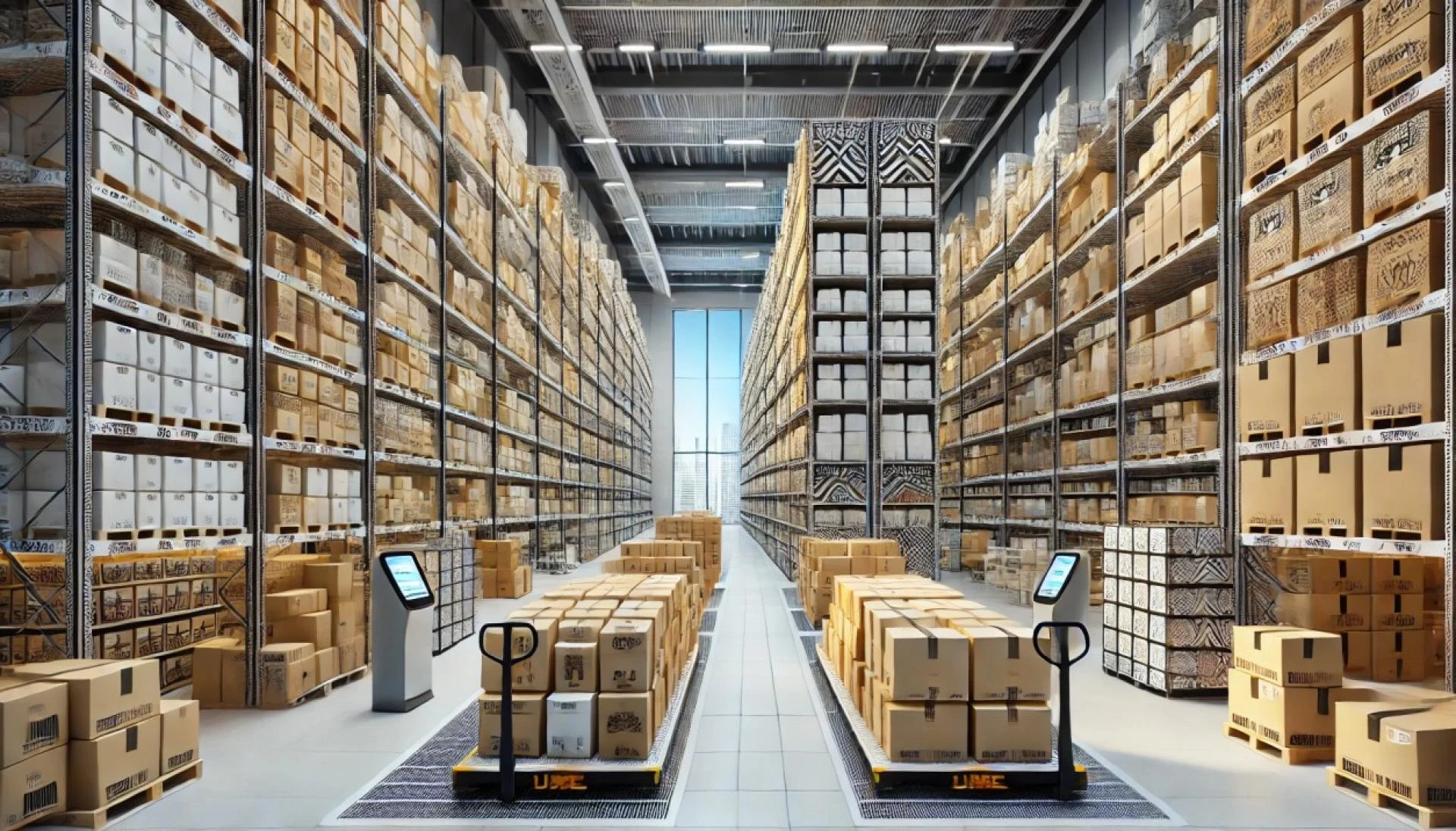
3. Warehousing & Inventory Control
Effective storage solutions prevent stock shortages or overstocking. Smart inventory management systems help businesses track stock levels in real time and automate reordering.
4. Technology & Automation
Advanced logistics solutions, such as AI-driven inventory tracking and IoT-enabled supply chain management, help streamline operations and improve efficiency.
Challenges in Hospitality Logistics
Despite its importance, logistics in hospitality comes with its own set of challenges, including:
- Fluctuating demand – Seasonal changes can impact supply needs, requiring agile logistics planning.
- Perishable goods management – The food and beverage industry must ensure proper storage and transportation to maintain quality.
- Complex event logistics – Large-scale events require precise coordination of multiple moving parts, from venue setup to catering services.
Best Practices for Effective Logistics Management
To overcome these challenges, hospitality businesses can adopt the following best practices:
- Use AI and automation to optimize supply chain operations.
- Partner with reliable logistics providers to ensure timely and efficient service.
- Adopt sustainable logistics practices to reduce environmental impact.
The Role of 3PL in Hospitality
Many hospitality businesses outsource logistics to third-party logistics (3PL) providers to improve efficiency. 3PL companies offer specialized solutions such as warehousing, transportation, and inventory management, helping businesses reduce costs and streamline operations.
Future Trends in Hospitality Logistics
Looking ahead, technological advancements and sustainability initiatives will continue shaping logistics in hospitality. Key trends include:
- AI-driven demand forecasting to predict supply needs accurately.
- Eco-friendly packaging and transportation to support sustainable practices.
- Smart inventory systems that automate restocking and optimize storage.
Conclusion
Efficient logistics management is the key to success in the hospitality industry. From ensuring timely deliveries to enhancing guest satisfaction, a well-structured logistics system contributes to seamless operations and profitability. As technology continues to evolve, adopting innovative logistics strategies will be essential for businesses looking to stay ahead in a competitive market.
For more details
Address- 1680 The Greens Way Suite 100, Jacksonville Beach, FL 32250, United States
Contact-+1 9042800608
Website- https://ttidelivers.com/

























Sign in to leave a comment.