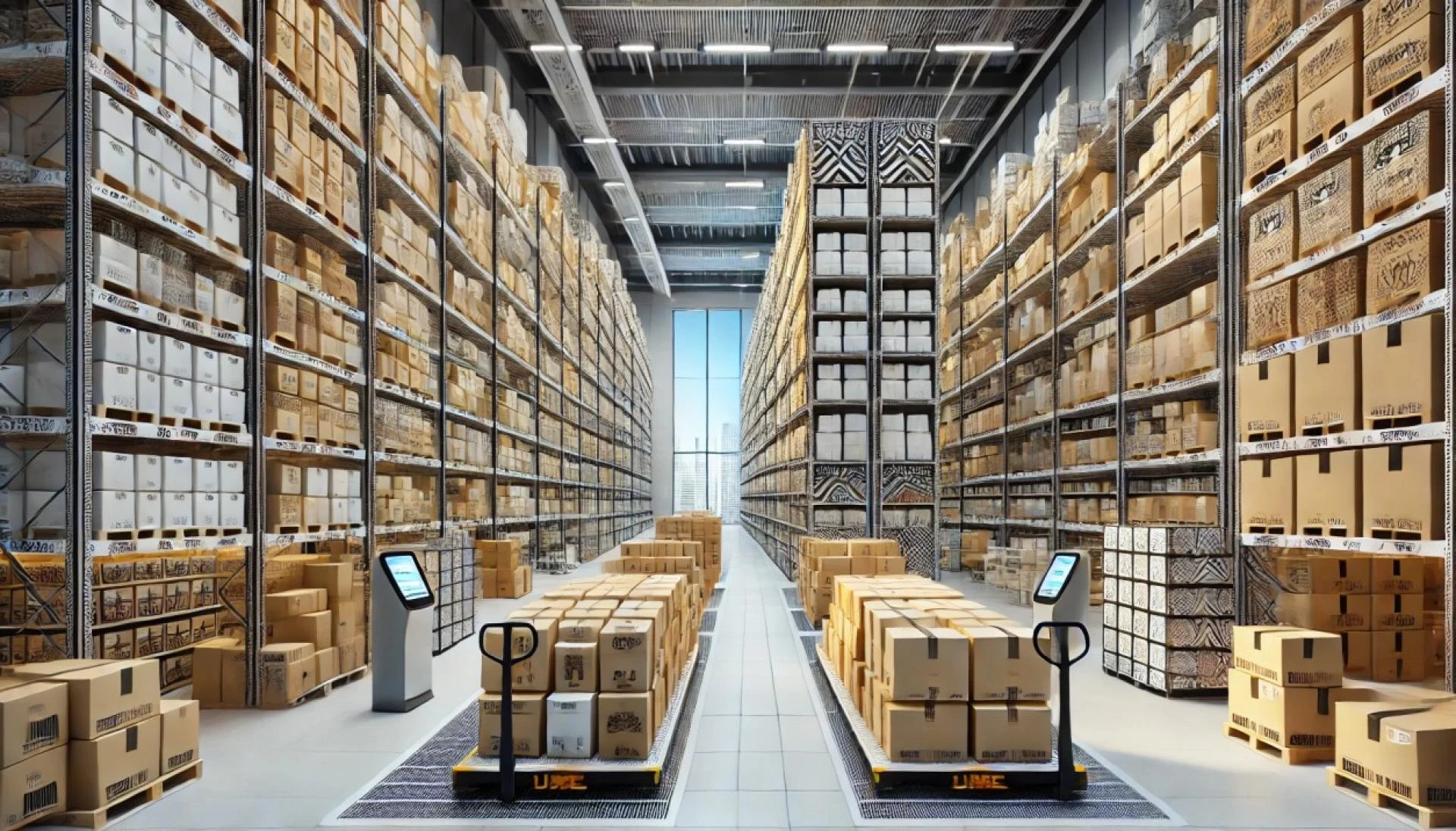

What Is Short-Term Warehousing?
Short term warehousing refers to storage solutions that allow businesses to store inventory for a temporary period, typically ranging from a few weeks to several months. Unlike long-term warehousing, which focuses on extended storage needs, short-term warehousing offers a dynamic approach to managing inventory fluctuations efficiently.
Benefits of Short-Term Warehousing
Flexibility in Inventory Management Businesses can scale their storage needs up or down based on demand, avoiding the constraints of long-term contracts.
Cost-Effective Storage Solutions Instead of investing in permanent storage spaces, companies can reduce overhead costs by using temporary warehouse facilities.
Quick Market Expansion Companies entering new regions can use short-term storage solutions to test new markets without committing to permanent facilities.
Seasonal Demand Handling Retailers, e-commerce businesses, and manufacturers can efficiently store seasonal products without long-term financial commitments.
Supply Chain Optimization Warehouses positioned strategically can help businesses reduce shipping costs and delivery times, improving overall supply chain efficiency.
Industries Benefiting from Short-Term Warehousing
Many industries rely on short-term warehousing to maintain operational efficiency. Some key sectors include:
E-commerce & Retail: Managing seasonal inventory and flash sales.
Manufacturing: Storing raw materials and finished goods before distribution.
Pharmaceuticals: Temporary storage for temperature-sensitive products.
Food & Beverage: Short-term cold storage solutions for perishable items.
Event Planning: Temporary storage for event-related equipment and materials.
How to Choose the Right Short-Term Warehouse
Selecting the right short-term warehouse depends on several factors:
Location: Choose a warehouse close to your customers or suppliers to reduce transportation costs.
Storage Facilities: Ensure the warehouse meets your inventory’s specific requirements (e.g., temperature-controlled storage).
Security & Compliance: Verify the warehouse has robust security measures and adheres to industry regulations.
Technology Integration: Opt for warehouses that offer real-time inventory tracking and automation features.
Pricing & Flexibility: Compare costs and contract terms to ensure they align with your business needs.
Future Trends in Short-Term Warehousing
On-Demand Warehousing More businesses are leveraging on-demand warehousing platforms to access flexible storage spaces as needed.
Automation & AI The adoption of automated warehouse systems and AI-driven inventory management is optimizing storage efficiency.
Sustainability Initiatives Companies are increasingly seeking eco-friendly warehouses that use renewable energy and minimize waste.
Micro-Fulfillment Centers Small-scale, localized warehouses are emerging to cater to fast delivery demands, especially in e-commerce.
The Bottom Line
Short term warehousing provides businesses with the agility to manage fluctuating inventory needs, expand into new markets, and optimize logistics without the burden of long-term commitments. By choosing the right storage solutions, companies can maintain efficiency, reduce costs, and enhance their supply chain strategies in an increasingly competitive marketplace.
For more details
Address- 1680 The Greens Way Suite 100, Jacksonville Beach, FL 32250, United States
Contact- 9042800608




























Sign in to leave a comment.