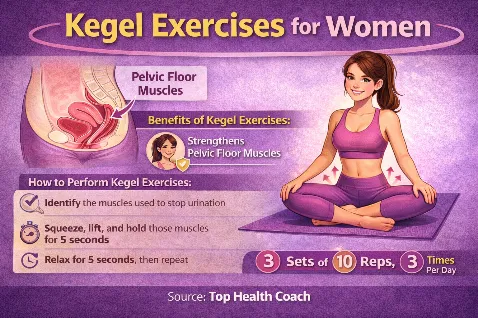

Pelvic health is an essential yet often overlooked part of women’s wellness. Whether you’re dealing with postpartum recovery, bladder control issues, or simply want to improve your core strength, kegel exercises for women can be a simple and highly effective solution. These exercises target the pelvic floor muscles, which play a crucial role in supporting the bladder, uterus, and bowel.
In this comprehensive guide, you’ll learn everything you need to know about kegel exercises for women, including benefits, techniques, and how to make them part of your daily routine.
What Are Kegel Exercises?
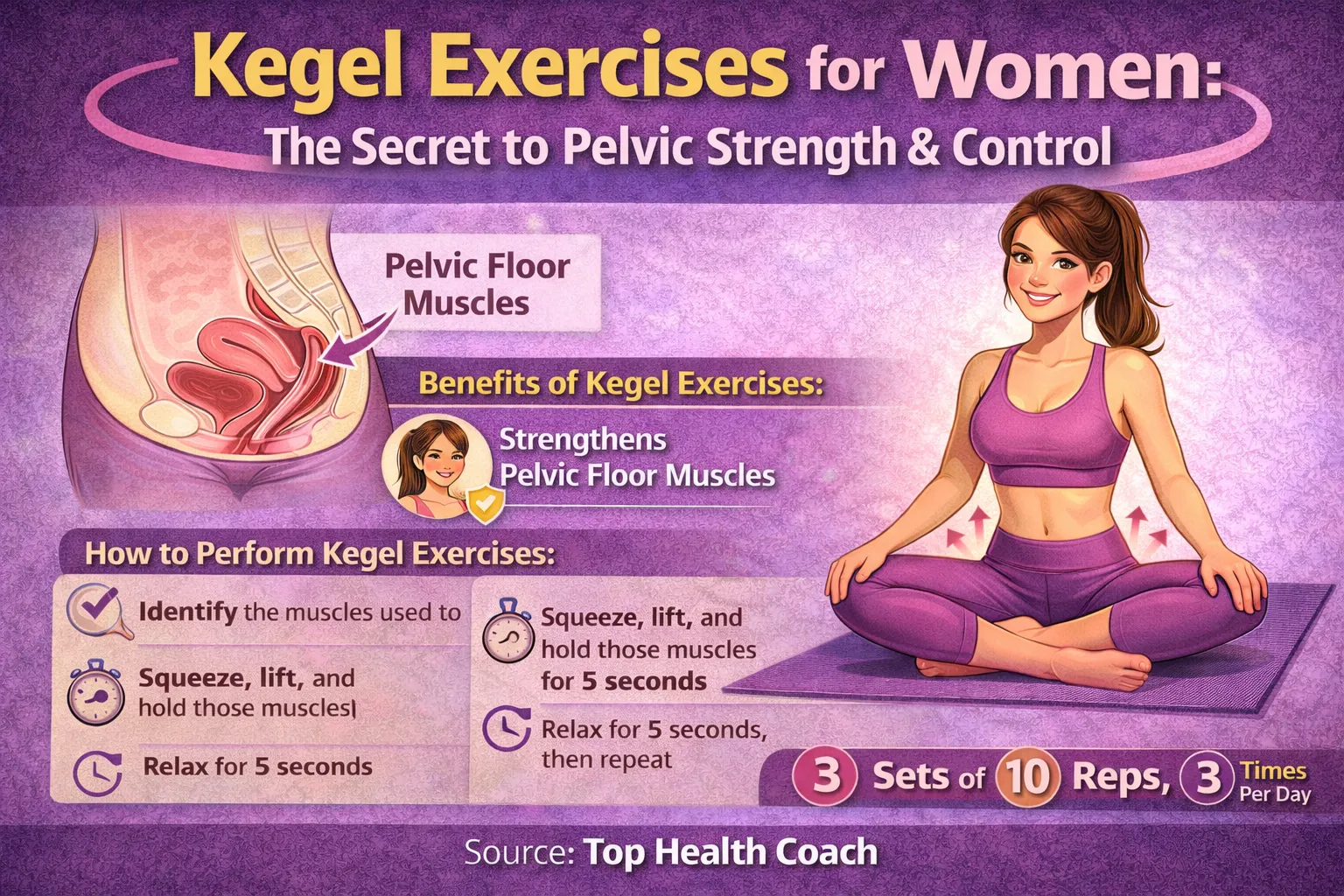
Kegel exercises are simple contractions and relaxations of the pelvic floor muscles. These muscles act like a hammock, supporting important organs such as the bladder, uterus, and rectum.
If these muscles become weak due to factors like pregnancy, aging, or surgery, it can lead to issues such as urinary incontinence or reduced core stability. That’s where kegel exercises for women come in—they help strengthen and tone these muscles naturally.
Why Are Kegel Exercises Important for Women?
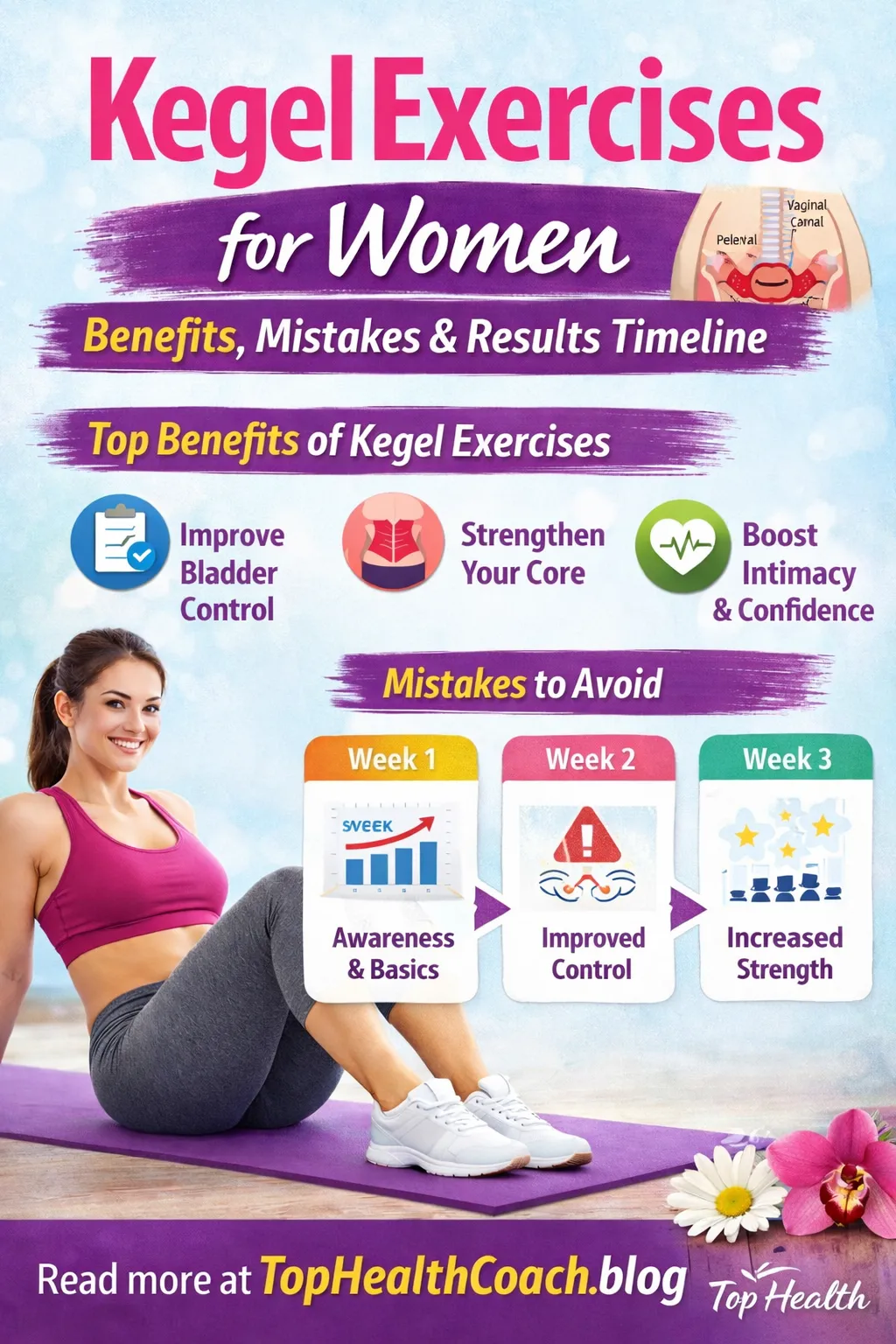
Practicing kegel exercises for women regularly can provide several health benefits:
1. Improved Bladder Control
Kegels can help prevent or reduce urinary leakage, especially during activities like coughing, sneezing, or exercising.
2. Postpartum Recovery
After childbirth, pelvic muscles often weaken. Kegels help restore strength and speed up recovery.
3. Enhanced Core Stability
Your pelvic floor is part of your core. Strengthening it improves posture and balance.
4. Better Sexual Health
Stronger pelvic muscles may enhance sensation and improve overall sexual wellness.
5. Support During Aging
As women age, maintaining pelvic strength helps prevent prolapse and other complications.
How to Identify the Right Muscles
Before learning how to do kegel exercises for women, it's important to locate the correct muscles.
Simple Method:
- Try stopping urination midstream (only as a test, not regularly).
- The muscles you use are your pelvic floor muscles.
Once identified, you can perform the exercises anytime—without needing to be in the bathroom.
How to Do Kegel Exercises for Women (Step-by-Step)
Understanding how to do kegel exercises for women correctly is key to seeing results.
Step 1: Get Comfortable
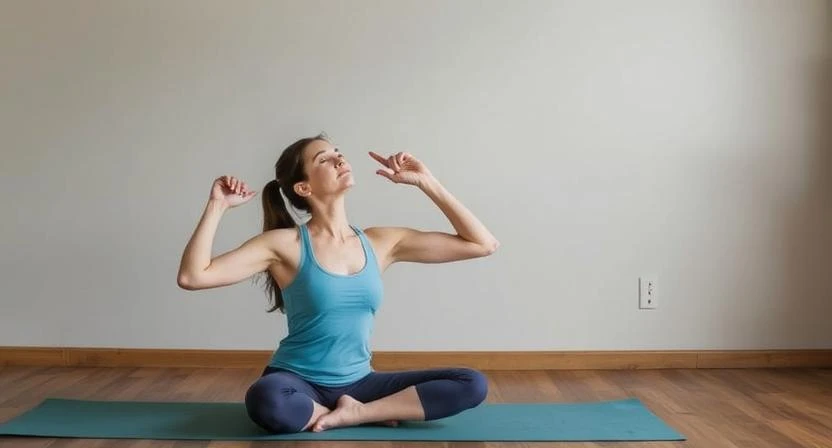
Sit, lie down, or stand in a relaxed position.
Step 2: Contract the Muscles
Tighten your pelvic floor muscles (as if stopping urine flow).
Step 3: Hold the Contraction
Hold for 3–5 seconds initially.
Step 4: Relax
Release the muscles completely for the same duration.
Step 5: Repeat
Do 10–15 repetitions per session, 2–3 times daily.
Tips for Proper Technique
To get the most out of kegel exercises for women, follow these tips:
- Avoid tightening your abdomen, thighs, or buttocks
- Breathe normally—don’t hold your breath
- Stay consistent with daily practice
- Gradually increase hold time up to 10 seconds
Common Mistakes to Avoid
Many women unknowingly perform Kegels incorrectly. Here are some common mistakes:
- Doing them while urinating regularly (can harm bladder function)
- Using the wrong muscles (like glutes or abs)
- Overdoing it, which can cause muscle fatigue
- Expecting immediate results (it takes a few weeks)
When Will You See Results?
Consistency is key. Most women begin to notice improvements within 4–6 weeks of regular practice. However, for significant strength gains, it may take up to 3 months.
Who Should Do Kegel Exercises?
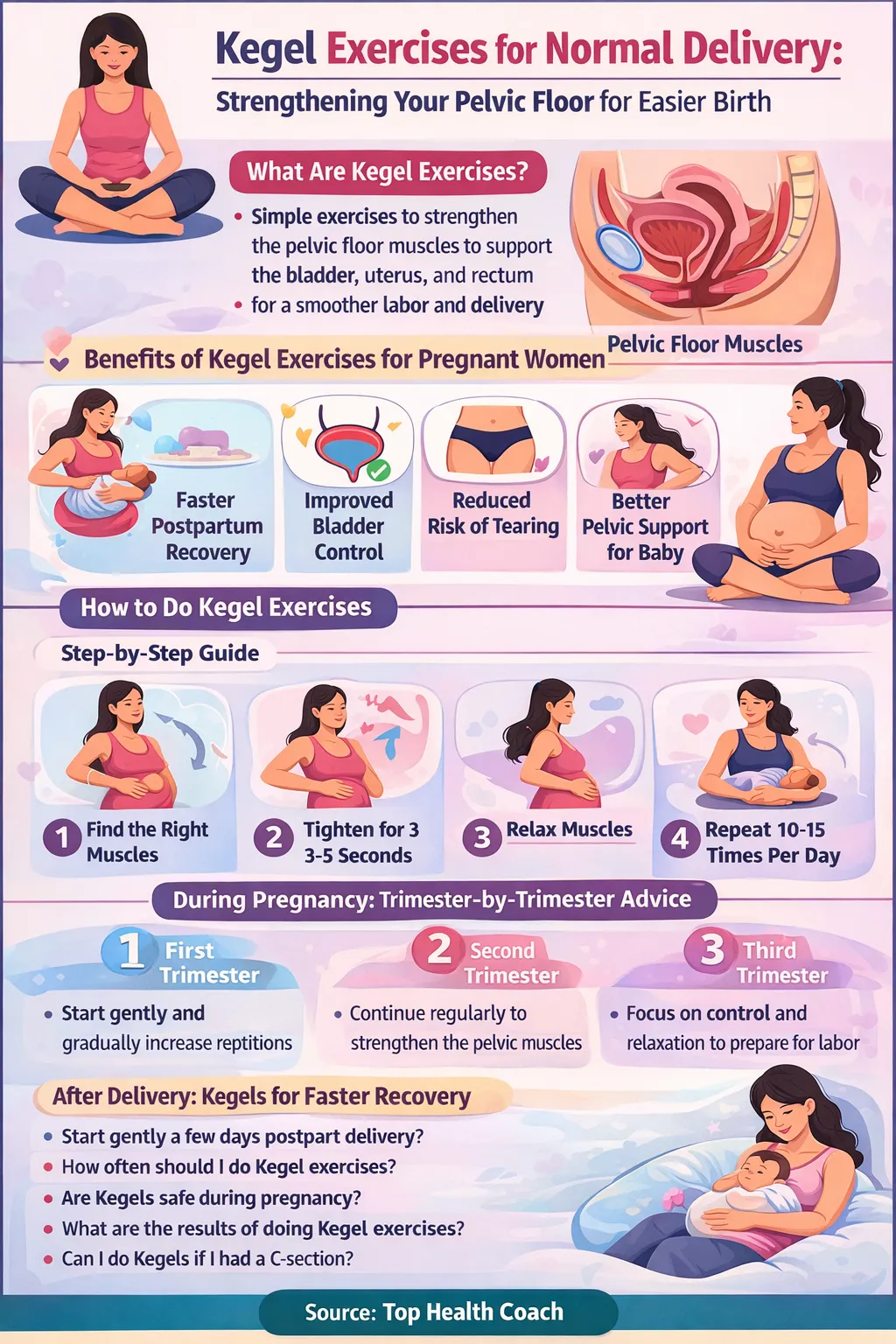
Kegel exercises for women are beneficial for:
- Pregnant and postpartum women
- Women experiencing urinary leakage
- Women with weak core muscles
- Aging women wanting to maintain pelvic health
When to Be Careful
Although generally safe, consult a healthcare professional if:
- You feel pain while doing the exercises
- You are unsure if you're doing them correctly
- You have severe pelvic issues
How to Make Kegels a Daily Habit
Building a routine is essential for long-term benefits.
Easy Ways to Remember:
- Do them while brushing your teeth
- Practice during TV time
- Set reminders on your phone
- Combine with breathing exercises or yoga
Conclusion
Incorporating kegel exercises for women into your daily routine is one of the simplest and most effective ways to improve pelvic health. Whether you're learning how to do kegel exercises for women for prevention or recovery, consistency and proper technique are the keys to success.
These exercises require no equipment, no gym, and very little time—yet they offer powerful benefits for your overall well-being. Start today and take a small step toward stronger, healthier pelvic muscles.
FAQs
1. How to do kegel exercises for women?
To perform Kegels, contract your pelvic floor muscles, hold for a few seconds, then relax. Repeat 10–15 times per session.
2. What is the kegel exercise for women?
It is a simple exercise that involves tightening and relaxing the pelvic floor muscles to strengthen them.
3. What are kegel exercises for women?
They are muscle-strengthening exercises that target the pelvic floor to improve bladder control and core stability.
4. What does kegel exercise do for woman?
It helps improve bladder control, supports pelvic organs, enhances core strength, and improves sexual health.
5. How to do kegel exercise for women correctly?
Focus on isolating pelvic muscles, hold contractions for a few seconds, and avoid using surrounding muscles.
6. Can beginners do Kegel exercises?
Yes, they are simple and suitable for beginners with no special equipment required.
7. How many Kegels should I do daily?
Aim for 2–3 sessions daily, with 10–15 repetitions each.
8. Can Kegel exercises help after pregnancy?
Yes, they are highly recommended for postpartum recovery and strengthening pelvic muscles.
9. Are there any side effects?
If done incorrectly or excessively, they may cause discomfort. Proper technique prevents issues.
10. How long should I continue Kegel exercises?
For best results, make them a lifelong habit to maintain pelvic health.

























Sign in to leave a comment.