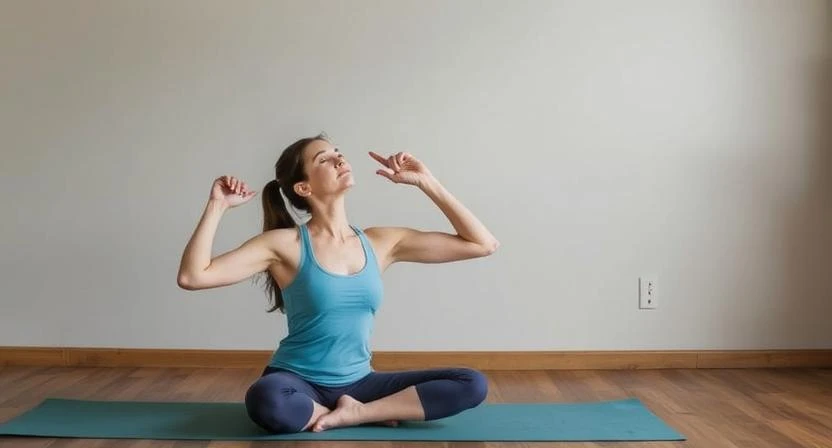

Breathing exercises are an effective and simple way to reduce stress, improve mental clarity, and promote overall well-being. With so many different techniques available, it can be challenging to determine which breathing exercise is the best. However, top health coaches agree that the right exercise largely depends on your goals, lifestyle, and personal preferences. In this blog, we'll explore some of the most effective breathing exercises and discuss how they can benefit your health.
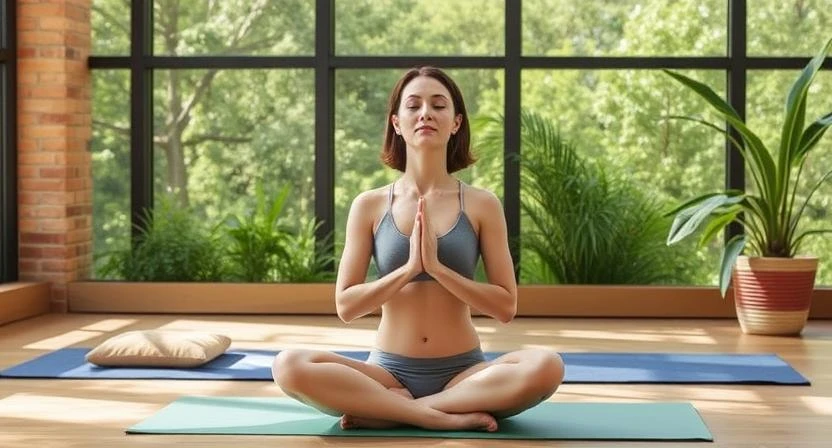
1. Box Breathing: A Mindful Approach to Stress Relief
Box breathing is a highly recommended breathing exercise, especially for those dealing with stress and anxiety. It is a technique used by athletes, military personnel, and top health coaches to calm the mind and enhance focus. Box breathing involves inhaling, holding the breath, exhaling, and holding again, all in equal durations.
How to Practice Box Breathing:
- Inhale through your nose for a count of 4.
- Hold your breath for a count of 4.
- Exhale slowly through your mouth for a count of 4.
- Hold again for a count of 4.
- Repeat this cycle for several minutes.
Why It Works: Box breathing helps activate the parasympathetic nervous system, which is responsible for the body's relaxation response. This exercise promotes a sense of calm and can be done anytime, anywhere. It’s a favorite of top health coaches because of its simplicity and effectiveness in managing anxiety and stress.
2. Deep Belly Breathing: Unlocking Full Lung Capacity
Also known as diaphragmatic breathing, deep belly breathing is an excellent exercise for improving lung function and reducing tension. This technique encourages the use of the diaphragm rather than shallow chest breathing, which can help you take in more oxygen and expel more carbon dioxide.
How to Practice Deep Belly Breathing:
- Sit or lie down in a comfortable position.
- Place one hand on your chest and the other on your abdomen.
- Slowly inhale through your nose, ensuring your abdomen rises while your chest remains still.
- Exhale slowly through your mouth, feeling your abdomen fall.
- Repeat for several minutes.
Why It Works: Deep belly breathing activates the diaphragm, allowing for a fuller, deeper breath. It helps lower cortisol levels (the stress hormone) and promotes relaxation. Health coaches frequently recommend this technique for those who need a quick reset after a stressful situation or want to improve their overall respiratory efficiency.
3. 4-7-8 Breathing: The Relaxation Hack
The 4-7-8 breathing exercise is another favorite among health coaches due to its calming effects. It is particularly useful for those who struggle with insomnia or those looking to unwind after a long day. The technique is simple and effective, helping to lower heart rate and relax the mind.
How to Practice 4-7-8 Breathing:
- Sit comfortably with your back straight.
- Close your eyes and inhale quietly through your nose for a count of 4.
- Hold your breath for a count of 7.
- Exhale slowly through your mouth for a count of 8.
- Repeat this cycle 4 times.
Why It Works: This exercise helps activate the parasympathetic nervous system, encouraging relaxation and preparing your body for sleep. The extended exhale stimulates the vagus nerve, which plays a key role in regulating stress responses. Health coaches often recommend this technique for managing anxiety and aiding sleep.
4. Alternate Nostril Breathing: A Balancing Technique
Alternate nostril breathing, or Nadi Shodhana, is a yoga-based breathing exercise designed to balance the left and right hemispheres of the brain. This exercise promotes mental clarity, emotional balance, and relaxation. It’s particularly helpful for those seeking to calm their minds and enhance focus during stressful situations.
How to Practice Alternate Nostril Breathing:
- Sit comfortably with your spine straight and shoulders relaxed.
- Use your right thumb to close your right nostril.
- Inhale deeply through your left nostril.
- Close your left nostril with your right ring finger, and release your right nostril.
- Exhale through your right nostril.
- Inhale through your right nostril.
- Close your right nostril again, and release your left nostril.
- Exhale through your left nostril.
Why It Works: This exercise helps harmonize the body and mind by promoting a sense of calm and balance. Top health coaches recommend alternate nostril breathing for its ability to regulate the flow of energy within the body and its potential to reduce anxiety and stress.
5. Resonant or Coherent Breathing: The Key to Optimal Health
Resonant breathing involves slowing down your breath rate to about five breaths per minute. This method helps to increase heart rate variability (HRV), which is associated with improved heart health, better stress management, and enhanced emotional well-being.
How to Practice Resonant Breathing:
- Inhale slowly for a count of 5.
- Exhale slowly for a count of 5.
- Continue for several minutes, focusing on maintaining a smooth and consistent breath.
Why It Works: Resonant breathing helps optimize the balance between the sympathetic and parasympathetic nervous systems, resulting in improved health outcomes. It’s a go-to method for top health coach aiming to help clients improve both mental and physical well-being.
Conclusion
Choosing the best breathing exercise depends on your goals and preferences. If you're looking for immediate stress relief, Box Breathing and 4-7-8 Breathing are excellent options. For improved lung capacity and relaxation, Deep Belly Breathing is highly effective. For mental clarity and balance, Alternate Nostril Breathing is a top choice, and if you’re aiming for long-term health benefits, Resonant Breathing can be the best practice.
Whatever technique you choose, it’s important to practice consistently and with intention. As top health coaches often remind their clients, breathing exercises are a powerful tool for improving both physical and mental health.





























Sign in to leave a comment.