

Mobility is freedom. And for millions of seniors, veterans, and individuals with physical disabilities, choosing the right wheelchair can mean the difference between dependence and independence. In 2025, the wheelchair market has evolved with remarkable innovations, offering a wide variety of lightweight wheelchairs for sale that are more adaptable, comfortable, and purpose-built than ever before.
If you're feeling overwhelmed by options or unsure of which features truly matter, this guide is your go-to resource for clarity. From adjustable wheelchairs for daily use to hemi wheelchairs designed for one-sided propulsion, we’ll break down what to look for, when each model makes sense, and why the right wheelchair is about much more than price.
Understanding the Real Needs Behind the Purchase
Whether you're shopping for a loved one, a care facility, or a veteran support organization, selecting a wheelchair starts with understanding the user. Factors like seat width, seat depth, mobility level, home layout, and transfer ability all play critical roles. The best wheelchairs are not only built to last, but they’re tailored to match real-life needs.
Many users require support that goes beyond standard models. For example, those recovering from strokes or leg amputations may need a hemi wheelchair, which features a lower seat height for easier foot propulsion. Meanwhile, users who experience pressure sensitivity or fatigue from prolonged sitting may benefit from a wheelchair reclining model that offers full 180° recline and elevating leg rests.
Key Wheelchair Types Worth Knowing
1. Manual Lightweight Wheelchairs
Chairs like the Chariot IV Ultra Lightweight and Invacare SX3 provide excellent maneuverability with foldable frames that are easy to transport and store. Designed for long-term daily use, they often feature adjustable seat depth, removable armrests, and quick-release wheels. These are ideal for users who self-propel or caregivers looking for something compact yet durable.
2. Reclining Wheelchairs
Models such as the Chariot IV XTC Recliner and XTC-RC are perfect for users who need postural support, suffer from spinal conditions, or require frequent repositioning. These chairs offer full back recline, hydraulic systems, and anti-tippers for safety. They are widely used in rehab centers and by veterans requiring advanced comfort.
3. Pediatric Wheelchairs
Children need specialized support as they grow. The Chariot Pediatric Recliner and Pediatric XTC Wheelchair offer the same high-end features found in adult chairs but scaled to fit children. These models feature adjustable back height, padded arms, and swing-away or elevating footrests to promote safe, independent mobility.
4. Transport and Transfer Chairs
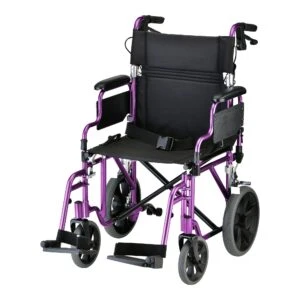
For short-term use, travel, or hospital discharge, chairs like the Astra Aluminum Transfer Wheelchair and Astra Steel Transport Chair are invaluable. Weighing as little as 19 lbs, these models fold flat, are easy to load into cars, and are commonly used in clinics, nursing homes, and homes with limited space.
5. Convertible and Dual-Function Models
The Protekt Cambria Convertible Wheelchair for Elderly combines both manual and transport features. With quick-release wheels and dual braking systems, it easily transitions from caregiver-driven to self-propelled. It’s an excellent solution for users whose mobility may fluctuate.
6. Bariatric and Hemi Height Wheelchairs
Finally, the Titus Heavy-Duty Bariatric Hemi Wheelchair offers extra-wide seat options (up to 30”) and up to 700 lbs in weight capacity. It features a dual axle for adjustable seat height, making it a strong option for users needing hemi height wheelchair capabilities and long-term support.
What Makes a Wheelchair Truly Adjustable?
Many people mistakenly think all wheelchairs are created equal. But adjustable wheelchairs offer critical customization points: seat depth, arm height, footrest angle, back height, and caster positioning. For example, the Chariot IV K4 model offers tool-free adjustment in all these areas. This level of adaptability improves posture, circulation, and ease of transfers, particularly for individuals using the chair all day.
Moreover, hemi options allow seat heights to drop as low as 17.5", enabling one-foot propulsion or safer transfers from beds and toilets—a key reason why hemi wheelchairs are favored in stroke recovery units and VA hospitals.
Why Veterans and Organizations Trust These Models
Wheelchairs for veterans require more than just comfort; they demand reliability, adaptability, and ease of service. The models discussed in this guide are widely accepted in VA clinics, veteran rehabilitation programs, airlines, and elder care facilities. Organizations choose these brands because they come with trusted warranties, B2B ordering support, and user-tested designs that can accommodate a wide range of mobility challenges.
Many organizations also prefer lightweight models that reduce the risk of caregiver injury, while providing the user with a sense of dignity and independence. Transport chairs like the Astra Aluminum or dual-purpose chairs like the Protekt Cambria are excellent for hospitals and travel programs that support aging veterans and adults with mobility loss.
Final Word: Choose Purposefully, Not Just Affordably
Not all chairs are made for all bodies. That’s why this guide isn’t just about listing specs—it’s about helping real people make informed decisions. The best manual wheelchairs in 2025 are those that fit seamlessly into a user’s life while delivering comfort, adjustability, and dependable performance.
Whether you’re looking for a wheelchair for seniors, a pediatric reclining wheelchair, or the best lightweight wheelchair for sale that folds neatly into a trunk, the models in this guide reflect the best of today’s innovations.
Mobility shouldn’t be a struggle. With the right wheelchair, it becomes your strength.




























Sign in to leave a comment.