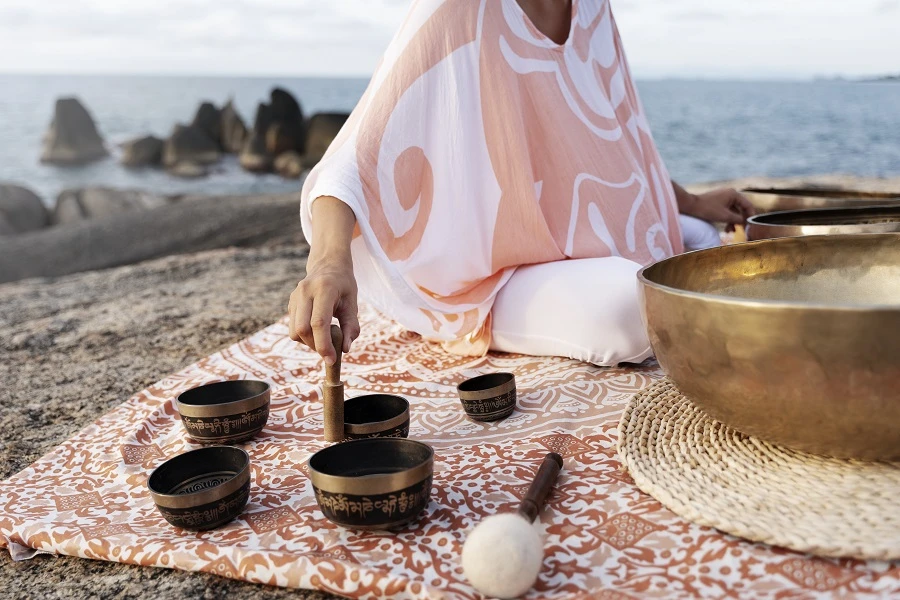

In a world full of constant noise and rush, your mind craves a break. Picture this: the gentle hum of a singing bowl cuts through the chaos, pulling you into calm like a warm blanket on a cold night. Meditation singing bowls offer that escape, blending old wisdom with simple tools anyone can use. This guide walks you through their history, how to pick one, playing tips, benefits, and care. You'll see why these bowls make sound healing a go-to for stress relief and deeper focus.
Understanding the History and Science of Singing Bowls
Singing bowls have roots that stretch back centuries, drawing from traditions that value harmony in body and spirit. They started in places like Tibet and Nepal, where monks used them in rituals to aid meditation. Today, people turn to them for everyday peace, backed by how sound affects our brains and nerves.
Origins and Cultural Significance
These bowls hail from the Himalayan region, mainly Tibet and Nepal. Artisans crafted them from a mix of seven metals, like gold, silver, and iron, each tied to planets in old beliefs. That blend gave them a rich tone that echoed through temples, helping practitioners enter trance-like states during chants and prayers. Over time, their use spread beyond monasteries, becoming symbols of balance in daily life.
The Physics of Sound Therapy
When you strike or rub a singing bowl, it vibrates at certain frequencies that match your body's natural rhythms. These waves can shift brain activity toward alpha or theta states, where relaxation deepens and stress fades. Think of it like tuning a radio to a soothing station—resonance helps quiet racing thoughts, promoting calm in seconds. Studies show this vibration therapy lowers blood pressure and eases tension, making it a science-backed meditation tool.
Material Matters: Himalayan vs. Crystal Bowls
Himalayan singing bowls, made of metal alloys, deliver warm, earthy tones with long sustains ideal for grounding sessions. They feel sturdy in your hand and carry cultural depth from hand-hammered designs. Crystal bowls, carved from pure quartz, produce clearer, higher pitches that cut through space like pure light. Metal ones suit deep, personal meditation, while crystals shine in group sound baths for their bright energy. Choose based on your vibe—metal for tradition, crystal for modern clarity.
Selecting Your Perfect Meditation Singing Bowl
Picking the right singing bowl feels like finding a new friend for your quiet moments. Start by thinking about your needs: space size, skill level, and budget. Beginners often grab a mid-size option to test tones without overwhelm.
Size, Weight, and Pitch Correlation
Larger bowls, around 10 inches wide, ring low and deep, perfect for grounding energy in big rooms or group use. Smaller ones, say 6 inches, hit higher notes with quick vibes, great for personal desks or travel. Heavier bowls hold notes longer, aiding sustained focus, while light ones pack easy but fade faster. Tip: Match size to your setup—a compact bowl fits home altars, but go bigger for yoga classes to fill the air.
Assessing Tone Quality and Sustain
A top bowl rings clear and even, without harsh buzz or quick fade. Strike it gently; the sound should bloom and linger for 30 seconds or more. The mallet counts too—wood or felt tips create smooth rings, avoiding scratches. Listen in person if you can, or check videos for that pure hum. High-quality tones come from skilled crafting, ensuring your sound healing sessions feel immersive every time.
Budget Considerations for Quality Instruments
Entry-level sets start at $30 for basic metal bowls, enough for newbies to explore singing bowl benefits. Handmade Himalayan ones run $100 to $300, with antique alloys pushing $500 plus for rare vibes. Crystal bowls cost more, from $150 for small to $1,000 for large, due to pure quartz sourcing. Invest in mid-range for balance— a $150 bowl lasts years and delivers real meditation tool power without breaking the bank.
Mastering the Art of Playing Your Singing Bowl
Once you have your bowl, learning to play it opens doors to better meditation. Practice builds confidence, turning simple strikes into waves of calm. Start slow, in a quiet spot, to feel the vibrations firsthand.
The Standard Technique: Striking vs. Singing
For a strike, hold the bowl steady on a cushion and tap the side with the mallet—light pressure starts a pure ring. To sing it, press the mallet against the rim and circle smoothly, keeping even speed for building tone. Too fast buzzes; too slow dies out. Alternate both: strike to begin, then rim for depth. This combo creates layers that enhance focus during breath work.
Placement Matters: Body and Environment
Place the bowl on your lap or a pillow to let vibes flow freely into your core. For therapy, rest it on tense spots like your chest to ease tight muscles. Keep rooms quiet—soft lighting and no fans help the sound stand out. In groups, center it to share resonance evenly. Experiment: body contact amps up personal healing, while floor placement suits ambient play.
Integrating Bowls into Your Meditation Routine
Use your bowl at session start to set a peaceful tone, striking once per breath. During tough mind wanders, rim it softly as an anchor back to now. End with a long hum to seal calm into your day. Pair with guided apps for beginners, or go solo for advanced flow. Over time, this ritual boosts mindfulness, making quiet moments a habit.
Proven Benefits: How Singing Bowls Enhance Well-being
Singing bowls do more than sound nice—they spark real changes in how you feel. From easing daily worries to sharpening concentration, their vibrations touch mind and body. Many users report quicker calm after just minutes of use.
Stress Reduction and Anxiety Management
The steady hum slows your heart rate and quiets overactive nerves. Research from places like Harvard notes sound therapy cuts cortisol, the stress hormone, by up to 20% in sessions. Imagine facing a tough day; a quick bowl ring brings back balance. It's like a reset button for anxiety, helping you breathe through chaos.
Improving Focus and Deepening Mindfulness
That clear tone pulls your thoughts to the present, acting as a gentle guide. Beginners love how it holds attention without effort, unlike silent sits that drift. Regular use strengthens neural paths for better concentration, per wellness studies. Why chase focus when a bowl hands it to you?
Supporting Physical Relaxation and Sleep Quality
Vibrations loosen tight muscles, promoting full-body ease after long days. Place it near your bed for pre-sleep rituals— the low tones lull you into rest. Users often sleep deeper, waking refreshed. It's a natural aid for insomnia, blending sound healing with bedtime calm.
Caring for and Maintaining Your Singing Bowl
Your bowl deserves gentle handling to keep its song alive for years. Simple habits prevent wear and preserve that perfect pitch. Treat it like a cherished tool, not just an object.
Cleaning Metal Bowls Safely
Wipe metal bowls with a soft cloth and mild soap after use to remove fingerprints. For tarnish, rub with a baking soda paste, then rinse and dry right away. Skip harsh chemicals—they dull the metal and mute tones. Quick cleans keep the seven-metal shine, ensuring strong singing bowl benefits.
Protecting Crystal Bowls from Damage
Crystal sings bright but chips easy, so handle with care like fine glass. Store on padded surfaces, away from edges where drops happen. If it cracks, the tone shifts forever— prevention beats repair. Gentle wipes with water suffice; no soaps needed for pure quartz.
Proper Storage and Transportation
Wrap in soft fabric or use padded cases to shield from bumps. Keep in cool, dry spots to avoid rust on metal or fog on crystal. For travel, nestle in bags with cushions. This way, your meditation tool stays ready, no matter where life takes you.
Tuning into Your Inner Resonance
Singing bowls bridge old traditions with your busy life, offering sound healing that fits anywhere. From picking the right size to mastering strikes, this guide equips you for deeper calm and focus. Start small, practice often, and watch stress melt away.
- Singing bowls use natural vibrations for quick relaxation.
- Pick based on size, tone, and your space needs.
- Learn strikes and rimming for best sounds.
- Daily use builds stronger mindfulness and calm.
Ready to try? Grab a bowl today and let its hum guide your next breath. Your inner peace waits.






























Sign in to leave a comment.