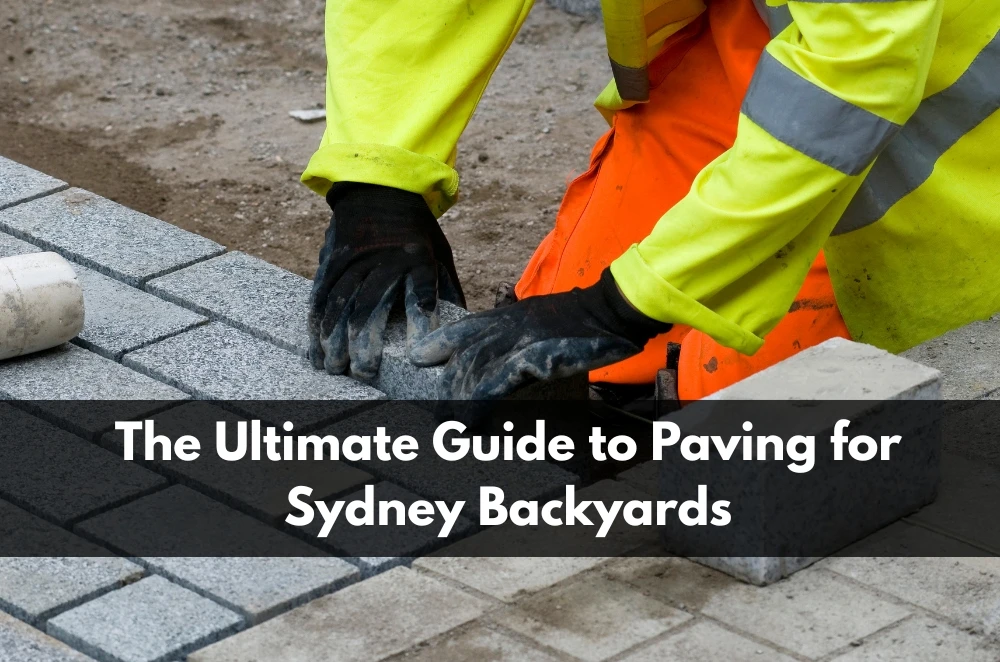

Backyard paving is equal parts planning, materials, and timing. Done well, it looks effortless; done poorly, it telegraphs every shortcut. Early clarity on layout, base, and drainage sets you up for a surface that survives summers and sudden downpours. I’ve found that choosing experienced crews matters, but so does the brief you hand them. Refine scope, sequence, and tolerances first, then let the tools and weather call the pace. When conversations get vague, I bring it back to load paths, falls, and edge restraint. A straightforward way to start is verifying scope with paving contractors so expectations, lead times, and upkeep all line up before anyone lifts a shovel.
Understanding backyard paving in Sydney
Backyards here see big temperature swings, occasional deluges, and plenty of foot traffic. That mix rewards smart choices about base depth, joints, and water movement before thinking about colour or pattern.
- Site reading: Walk the yard after rain and note low spots, runoff directions, and soft patches that betray poor bearing.
- Use mapping: Mark traffic lines from doors, clotheslines, and bins so pavers, edging, and joints take predictable loads.
- Shade and heat: Consider how tree canopies and hard sun change moisture cycles, affecting joint sand and weed pressure.
- Maintenance horizon: Plan for a broom, a hose, and occasional spot fixes so the surface stays tidy without fuss.
A little recon beats big rework. When the yard’s habits are known, the plan writes itself: clear falls, stable base, tidy edges, and a jointing system that can be renewed without drama.
Base prep, drainage, and subgrade essentials
Most complaints trace back to what sits under the surface. If the subgrade pumps or the base isn’t compacted in layers, the neatest laying pattern won’t stay flat for long.
- Subgrade check: Verify depth, moisture, and bearing before you compact, removing organics and soft spots that will settle.
- Layered base: Build crushed rock in thin lifts and compact each layer so density is earned, not guessed.
- Falls and outlets: Set consistent falls away from structures, and give water somewhere reliable to go without ponding.
- Edge restraint: Lock perimeters so the field can’t creep under traffic or seasonal movement at the margins.
Clear layouts benefit from standards that describe when small-scale work can proceed without complex approvals. Guidance on driving pathways and paving helps frame setbacks, materials, and basic runoff controls in a way that’s easy to apply on site.
Choosing materials that suit local conditions
Stone, brick, and concrete pavers each bring strengths. Durability is only part of the story; slip resistance, heat underfoot, and lifecycle care matter just as much for backyard comfort.
- Stone options: Granite, bluestone, and travertine wear well, but thickness and finish must suit traffic and slip resistance.
- Brick character: Clay formats deliver texture and warm colour; herringbone patterns excel under turning loads.
- Concrete formats: Consistent sizing speeds laying; surface treatments can balance grip with hose-down cleanability.
- Jointing systems: Choose sand or stabilised joints to match leaf litter, pets, and the frequency of sweeping.
Material choice gets easier when the garden plan is part of the conversation. For seasonal care, notes on Sydney garden health keep expectations grounded: sun, shade, and watering habits all nudge the paving toward one solution or another.
Installation sequence, tolerances, and upkeep
A calm, repeatable sequence beats racing the clock. Small, consistent corrections during laying prevent the bigger, costlier corrections later.
- String lines first: Pull reliable lines and set gauges so the pattern tracks true, even when obstacles interrupt.
- Lay and check: Place, tap, and check courses often; pick up any drift immediately before it multiplies.
- Cut cleanly: Use sharp blades, safe setups, and patient cuts so edges read crisp and resist chipping.
- Seal with care: If sealing, match the product to the stone or concrete, test a spare piece, and apply in the right weather.
I’ve seen surfaces last far longer when the team treats the last five per cent like the first five. Broader principles in sustainable paving practices—from mindful water use to long-lived materials—translate neatly to backyards that stay tidy without heavy maintenance.
Bringing it together in the backyard
Backyard projects turn out best when everyone reads from the same page. Start with a sketch that shows falls, edging, and where furniture actually lives. Walk the yard after rain and see where water lingers; those puddles write your base depths and outlet points. Set expectations for cleaning and minor fixes, because weeds and leaf litter will visit no matter how good the installation. I’ve had jobs where a small change—like adding a permeable band along the garden edge—kept paths dry through a wet month. Keep the plan simple, choose materials that feel good underfoot, and let joints and edges do their quiet work. When questions arise, a note toward permeable paving solutions keeps the conversation practical: water moves, seasons change, and good surfaces respect both. If you hold that line—sound base, true falls, tidy joints—the backyard reads calm, drains cleanly, and stays that way without needing weekend marathons to maintain it.
























Sign in to leave a comment.