
Introduction
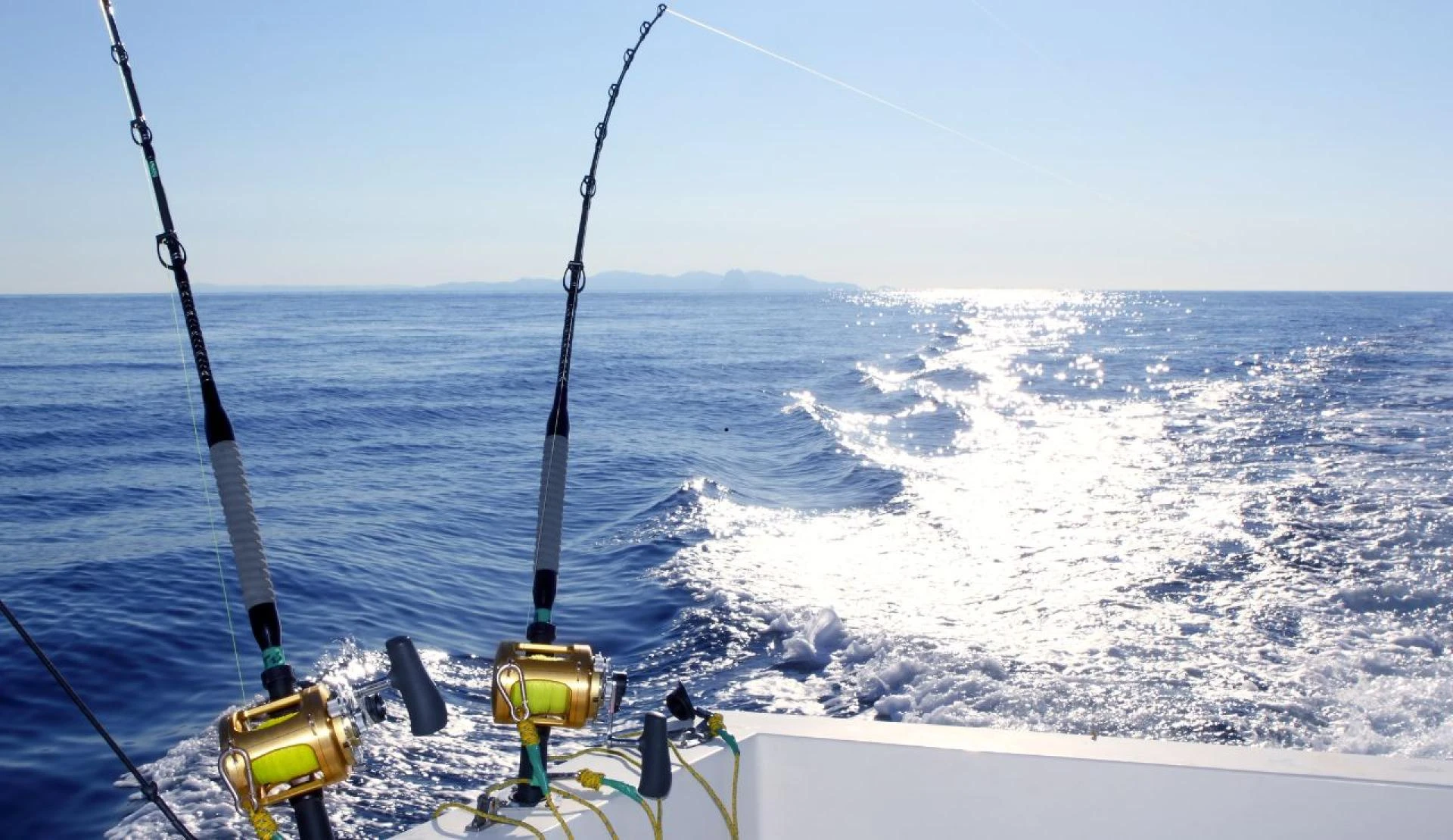
A deep sea fishing trip is more than just a day out on the water—it's an unforgettable adventure that combines excitement, nature, and the thrill of the catch. Whether you're an experienced angler or a first-time fisher, the deep blue waters hold endless possibilities. From battling trophy fish like marlin and sailfish to bonding with family and friends over a shared passion, deep sea fishing offers a one-of-a-kind experience that’s both relaxing and exhilarating.
In this ultimate guide, we’ll cover everything you need to know before heading out on a deep sea fishing trip. From choosing the right charter and understanding the types of fish you’ll encounter to tips on what to bring and how to prepare, this article is your go-to resource for a successful and memorable offshore fishing adventure for family and kids.
What Is Deep Sea Fishing?
Deep sea fishing—also known as offshore or big game fishing—takes place in the open ocean, usually at least 30 miles from the shore. Unlike freshwater or inshore fishing, this type of trip targets larger species that dwell in deeper waters. These species include:
- Marlin
- Sailfish
- Tuna
- Mahi-mahi (Dolphinfish)
- Wahoo
- Swordfish
- Kingfish
- Grouper and Snapper (on reef lines)
Depending on the region and season, your fishing targets may vary, but one thing is guaranteed: the thrill of the chase is unmatched.
Why Choose a Deep Sea Fishing Trip?
There are plenty of reasons people choose deep sea fishing trips over traditional angling experiences:
- Bigger Fish, Bigger Thrills
- Deep sea fishing targets powerful, high-speed predators that put up a serious fight. Hooking a tuna or sailfish isn’t just fishing—it’s sport.
- Scenic Ocean Vistas
- Heading far offshore offers views you simply won’t get on land: endless blue water, jumping dolphins, flying fish, and sometimes even whales.
- Unique Memories
- Whether it’s a solo trip, family vacation, or a bachelor party, deep sea fishing trips are packed with memorable moments, especially when you land your first big catch.
- All-Inclusive Charters
- Many fishing charters provide everything you need—gear, bait, licenses, and even food—making it an easy and enjoyable experience for all skill levels.
Choosing the Right Deep Sea Fishing Charter
The success of your deep sea fishing trip often depends on the charter you choose. Here are a few key factors to consider:
1. Experience and Reputation
Look for captains and crews with years of experience in local waters. Check reviews, ask for referrals, and confirm credentials before booking.
2. Boat Size and Amenities
Choose a boat that's large and comfortable enough for your group. Some charters offer air-conditioned cabins, restrooms, shaded seating, and even kitchens.
3. Target Species and Trip Types
Ask the charter what kind of fish they typically target and what types of trips they offer (half-day, full-day, or overnight). Some charters specialize in trophy fishing, while others focus on family-friendly outings.
4. What’s Included
Make sure you know what’s covered in the cost. Rods, reels, tackle, bait, licenses, food, and drinks—some trips are all-inclusive, others are not.
When Is the Best Time to Go Deep Sea Fishing?
Timing is everything when it comes to offshore fishing. Different fish species are more active during certain times of the year. Here’s a general breakdown by season (specific to South Florida/Miami, though trends are similar in other tropical/coastal areas):
- Winter (Dec–Feb): Sailfish, kingfish, wahoo
- Spring (Mar–May): Mahi-mahi, blackfin tuna, grouper
- Summer (Jun–Aug): Mahi-mahi, yellowfin tuna, snapper
- Fall (Sep–Nov): Swordfish, kingfish, sailfish
Always check with local charters for the best current advice based on water temperatures and migration patterns.
What to Bring on Your Deep Sea Fishing Trip
Although most charters provide the essentials, you’ll want to come prepared. Here’s a checklist:
- Sunscreen (reef-safe preferred)
- Hat and sunglasses (polarized lenses are great for spotting fish)
- Comfortable clothing (preferably moisture-wicking)
- Non-slip shoes
- Camera or smartphone
- Dramamine or seasickness medication (if needed)
- Snacks and drinks (if not provided)
- Cooler (for bringing home your catch)
Optional: Bring a lucky lure or your favorite rod, if the charter allows.
Deep Sea Fishing Techniques You Might Use
Depending on your location and the type of fish you’re after, your captain may use a variety of techniques, including:
1. Trolling
A method where multiple baited lines are trailed behind the boat while moving. Ideal for catching mahi-mahi, tuna, and wahoo.
2. Bottom Fishing
This involves dropping bait near reefs or the ocean floor to catch snapper, grouper, and amberjack.
3. Kite Fishing
A popular South Florida technique where live bait is suspended from a kite to attract surface predators like sailfish.
4. Live Bait Drifting
Great for tuna, kingfish, and other open-ocean hunters. It requires a slower drift and a keen eye for action.
Tips for First-Time Deep Sea Anglers
If it’s your first time heading offshore, here are some quick tips to ensure a smooth trip:
- Don’t Be Shy: Ask questions! The crew is there to help you learn and enjoy.
- Stay Hydrated: The sun and sea breeze can be dehydrating—drink water regularly.
- Respect the Ocean: Follow all safety rules and conservation practices. If you’re not keeping your catch, release it carefully.
- Be Patient: Some days are slower than others. Fishing is unpredictable, but your next cast could be the one.
What Happens to the Fish You Catch?
Many charters allow you to keep the fish you catch, provided it's within legal limits. The crew usually cleans and fillets your catch for you. Some local restaurants even offer "catch and cook" services where they’ll prepare your fresh fish for dinner!
In other cases, especially with trophy fish like marlin or sailfish, catch and release is encouraged or required. Be sure to check local regulations and speak with your captain beforehand.
Making It a Group Adventure
Deep sea fishing trips are perfect for:
- Family Outings: Many charters are kid-friendly and offer shorter trips for younger anglers.
- Corporate Events: Great for team building and networking in a relaxed setting.
- Bachelor/Bachelorette Parties: Swap the bar crawl for an epic day on the water.
- Friends Reunions: Fishing is a great excuse to unplug and reconnect with old buddies.
Whether you're marking a special occasion or just escaping the daily grind, the open ocean offers the perfect backdrop for shared experiences.
Conclusion
A deep sea fishing trip is more than just a recreational outing—it’s an exciting journey into the heart of the ocean. Whether you're chasing sailfish in the Gulf Stream or bottom-fishing over coral reefs, every trip brings new stories, new skills, and unforgettable memories.
The key to a successful experience? Choosing a reliable charter, understanding the waters, and embracing the adventure with an open heart.
So what are you waiting for? Grab your gear, rally your crew, and set your sights on the horizon. The ocean is calling—and it’s full of fish.



























Sign in to leave a comment.