
Securing a reliable supply of high-quality ingredients is the backbone of any successful food business. Whether you run a bustling restaurant chain, manufacture artisan food products, or manage a growing private label brand, the oils you choose directly impact your final product. Olive oil remains one of the most sought-after ingredients globally, prized for its exceptional health benefits and versatile flavour profile.
However, navigating the complex Mediterranean supply chain can feel daunting. How do you guarantee the purity of a product before you commit to hundreds of litres? How can you protect your profit margins without sacrificing taste?
This comprehensive guide breaks down everything you need to know about purchasing wholesale olive oil. We will explore the tangible benefits of scaling up your orders, the strict quality assurance standards you must demand from suppliers, and the best practices for storing large quantities. By the end of this post, you will know exactly how to source premium oils confidently and efficiently.
Why Smart Businesses Buy Olive Oil in Bulk
Purchasing your ingredients in larger quantities is a standard business practice, but it offers unique advantages when dealing with premium liquid goods like olive oil. If your operations consume more than a few dozen litres a month, deciding to buy olive oil in bulk is the most strategic move you can make.
Significant Cost Reductions
The most immediate benefit of bulk purchasing is the dramatic reduction in your unit cost. When you purchase single bottles or small tins, you pay a heavy premium for the individual packaging, labelling, and retail markup. By ordering drums or intermediate bulk containers (IBC totes), you eliminate these unnecessary expenses. These savings allow you to improve your profit margins or offer more competitive pricing to your own customers, giving you a distinct advantage in a crowded market.
Streamlining Your Supply Chain
Frequent, small orders create administrative headaches. Every separate delivery requires processing invoices, receiving goods, and updating inventory systems. Consolidating your orders into larger shipments drastically reduces the time your team spends managing procurement. Furthermore, it protects your business against sudden market shortages. Having a robust inventory on hand means a delayed shipment or a poor harvest season will not force you to halt production.
Environmental Sustainability
Sustainability is no longer just a marketing buzzword; it is a core consumer demand. Packaging waste is a massive issue in the food and beverage industry. Opting for large-scale containers significantly reduces the amount of plastic, glass, and cardboard your business sends to landfill. Once empty, industrial formats like steel drums and IBC totes are often recyclable or reusable, helping you lower your company's carbon footprint.
Understanding the Grades of Olive Oil
Before you place an order, you must understand exactly what type of oil your business requires. The olive oil market features several distinct grades, each suited to different culinary applications and price points.
The Gold Standard: Bulk Extra Virgin Olive Oil
If flavour and health benefits are your primary selling points, bulk extra virgin olive oil (EVOO) is your only option. EVOO is the pure, unrefined juice of the olive. Producers extract it using strictly mechanical means, without any heat or harsh chemicals. To qualify as extra virgin, the oil must possess an acidity level below 0.8% and exhibit zero sensory defects.
This premium grade delivers robust, fruity flavours and a peppery finish, alongside high levels of beneficial antioxidants. It is the perfect choice for high-end restaurants making fresh salad dressings, artisanal bakeries, and premium retail brands.
Virgin Olive Oil
Virgin olive oil is also unrefined and extracted mechanically. However, it allows for a slightly higher acidity level (up to 2.0%) and may possess minor sensory imperfections. It still offers a pleasant flavour and works well for general cooking, but it lacks the premium prestige of extra virgin grades.
Refined and Pomace Oils
For heavy-duty, high-heat cooking or industrial food manufacturing, refined olive oils offer a practical solution. Manufacturers use heat and chemicals to extract remaining oils from the olive pulp, creating a product with a neutral flavour and a very high smoke point. While these options lack the health benefits and distinct taste of EVOO, they provide a highly cost-effective fat for large-scale frying and baking operations.
Quality Assurance: What to Demand from Your Supplier
The olive oil industry occasionally struggles with authenticity issues, making quality assurance your top priority during the procurement process. When you source olive oil in bulk, you need absolute certainty that what you pay for is exactly what you receive.
Traceability from Grove to Delivery
A reputable supplier should offer complete transparency about where their olives grow. You should know the region, the harvesting methods, and the timeline from picking to pressing. The highest quality oils are pressed within 24 hours of harvesting to lock in freshness and prevent the fruit from fermenting. Ask your supplier about their direct relationships with Mediterranean mills. Bypassing middlemen not only reduces your costs but also ensures a tighter, more traceable supply chain.
Chemical and Sensory Testing
Never rely on a label alone. Premium suppliers subject every batch of oil to rigorous laboratory testing before it ships. You should request a Certificate of Analysis (COA) for your bulk orders. This document verifies the chemical makeup of the oil, confirming crucial metrics like free fatty acidity, peroxide values, and ultraviolet absorption. These scientific tests guarantee the oil is fresh, authentic, and free from adulteration with cheaper seed oils.
Certifications You Can Trust
Look for suppliers who hold recognised international certifications. Depending on your target market, you might require oils with organic certification, Kosher approval, or specific Protected Designation of Origin (PDO) credentials. A supplier with a dedicated in-house compliance team will handle this documentation effortlessly, saving you from complex customs delays.
Best Practices for Storing Large Volumes
Securing a great price on premium oil means little if the product degrades before you can use it. Olive oil is highly perishable. Heat, light, and oxygen are its natural enemies. When dealing with bulk quantities, proper storage logistics are critical.
Temperature Control
You must store your bulk containers in a climate-controlled environment. The ideal storage temperature sits between 14°C and 21°C. If your warehouse gets too hot, the oil will oxidise rapidly and turn rancid. If it gets too cold, the oil may solidify or become cloudy. While cold temperatures do not permanently damage the oil, you will need to gently bring it back to room temperature before you can pump or pour it.
Managing Oxygen Exposure
Every time you open a container, oxygen enters and begins degrading the oil. If you purchase oil in large drums, consider implementing a nitrogen flushing system. Pumping food-grade nitrogen gas into the headspace of a partially empty drum displaces the oxygen, effectively halting the oxidation process and preserving the oil's fresh flavour for months.
Partnering with Yakutta for Your Business Needs
Finding a supplier who balances premium quality with industrial-scale efficiency can be a challenge. That is exactly where Yakutta excels. As an international supplier specialising in Mediterranean products, we understand the distinct challenges food businesses face when sourcing ingredients.
With over 16 years of export expertise, Yakutta provides an incredibly streamlined logistical framework. We bypass the standard 15% middleman markup by leveraging our direct-from-mill infrastructure, connecting you straight to the source.
Tailored Solutions for Every Operation
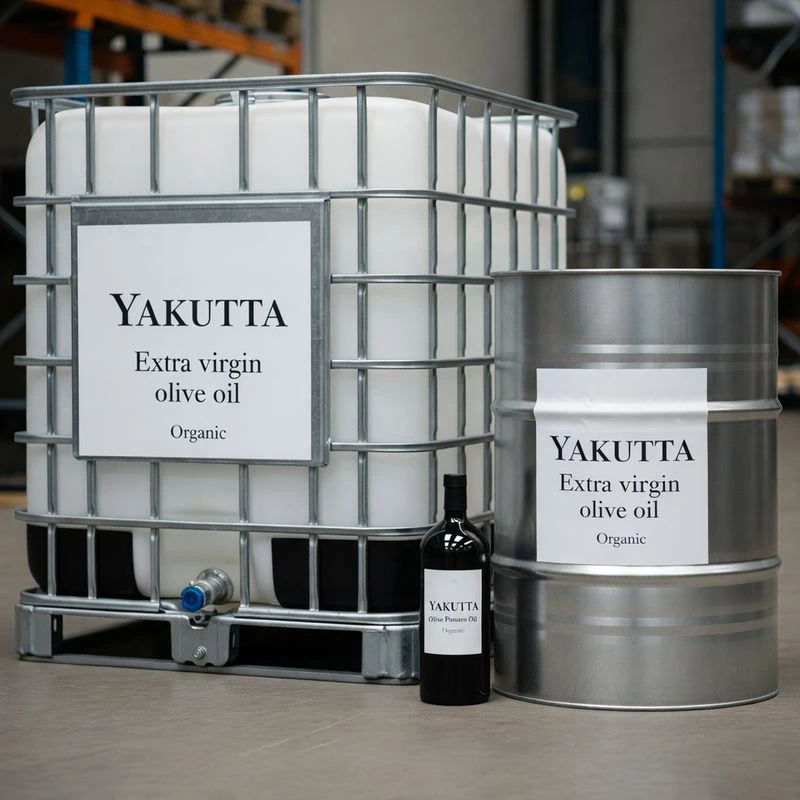
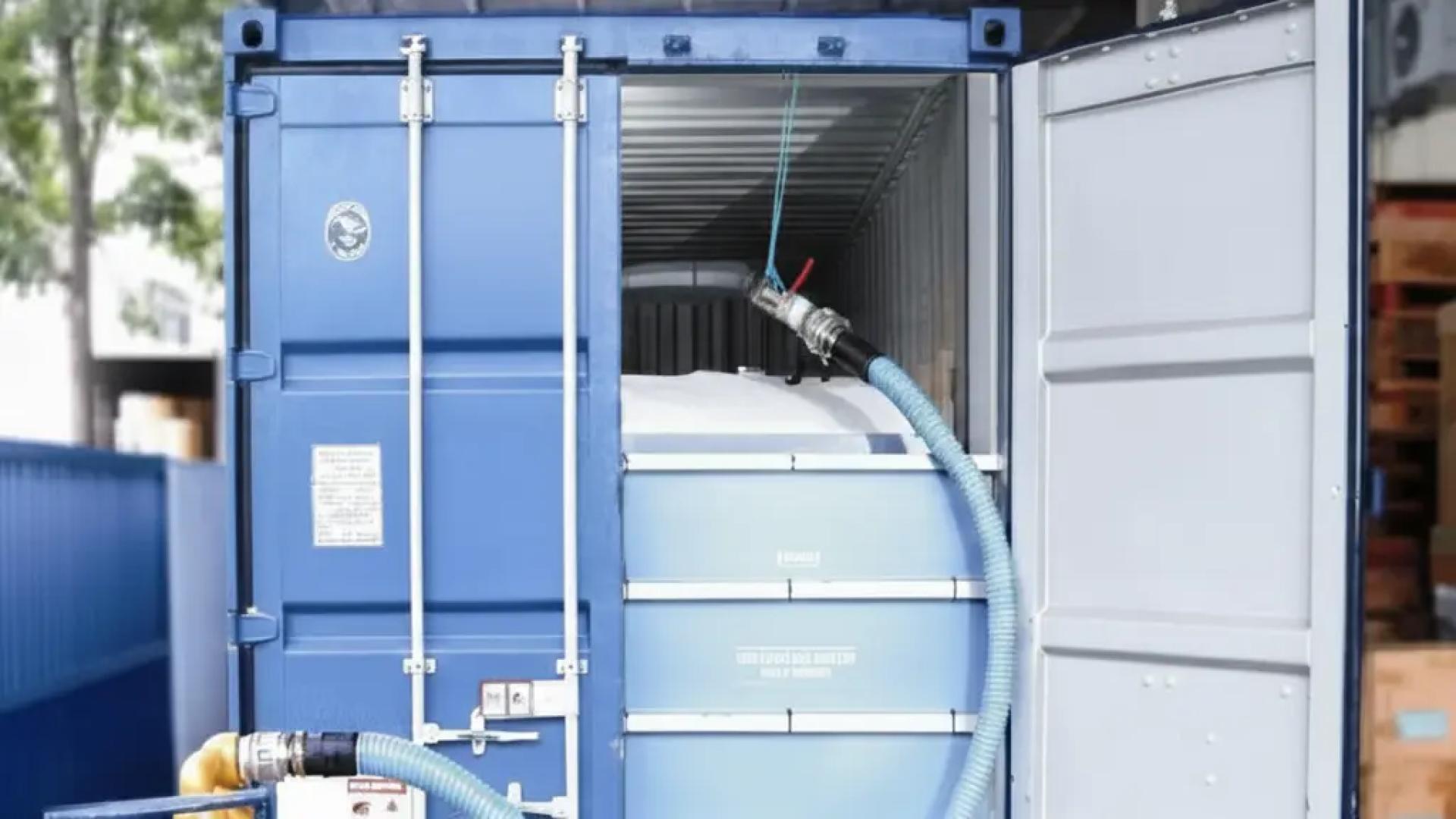
We know that a boutique private-label brand requires a very different setup than a massive commercial bakery. We offer flexible shipping solutions to match your exact capacity. Whether you need a few 200-litre drums, easily manageable IBC totes, or massive flexitanks holding thousands of litres, we tailor our deliveries to suit your facility.
Uncompromising Quality Control
When you partner with Yakutta, you never have to second-guess your ingredients. Our in-house team handles all international quality certifications and customs documentation. Every shipment is fully traceable and rigorously tested, ensuring that even your largest industrial orders maintain the artisanal purity of a boutique Mediterranean estate.
Next Steps for Your Procurement Strategy
Upgrading your ingredient sourcing is a powerful way to accelerate your business growth. By moving to bulk purchasing, you secure better pricing, streamline your warehouse operations, and guarantee a consistent product for your customers.
Review your current oil usage and assess your storage capabilities. If you are ready to improve your margins and elevate your product quality, it is time to rethink your supply chain. Reach out to the team at Yakutta today for a technical consultation. We will help you match your exact flavour profiles and volume requirements with the perfect Mediterranean harvest.
























Sign in to leave a comment.