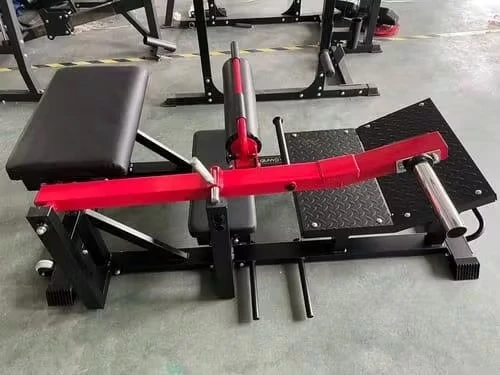

In the quest for a well-rounded fitness routine, lower body exercises play a pivotal role. Among these, the hip thrust machine has gained immense popularity for its ability to sculpt and strengthen the glutes. This guide will delve into the benefits of using a gmwd fitness hip thrust machine, offer tips for effective workouts, and highlight best practices to ensure you get the most out of your sessions.
What is a Hip Thrust Machine?
A hip thrust machine is a specialized piece of gym equipment designed to target the gluteal muscles. Unlike traditional squats or lunges, the hip thrust machine allows for a greater range of motion and isolates the glutes more effectively. The machine typically includes a padded bench and a platform for your feet, ensuring comfort and stability during the exercise.
Benefits of Using a Hip Thrust Machine
Enhanced Glute Activation: The primary benefit of the hip thrust machine is its ability to activate the glutes more than other lower body exercises. This makes it ideal for those looking to build a stronger, more defined posterior.
Improved Athletic Performance: Strong glutes are crucial for athletic performance, contributing to improved sprinting speed, jumping power, and overall lower body strength.
Better Posture and Reduced Back Pain: Strengthening the glutes can help improve posture and reduce lower back pain by providing better support for the pelvis and spine.
Versatility and Safety: The hip thrust machine is suitable for users of all fitness levels. Its design ensures proper form, reducing the risk of injury compared to free weight hip thrusts.
Tips for Effective Hip Thrust Workouts
Start with a Proper Warm-Up: Begin with a dynamic warm-up that includes leg swings, hip circles, and glute bridges to activate the muscles and prepare your body for the workout.
Focus on Form: Ensure your upper back is securely placed on the bench, and your feet are positioned shoulder-width apart. Drive through your heels and fully extend your hips at the top of the movement, squeezing your glutes.
Progress Gradually: Start with a lighter weight to master the form. Gradually increase the resistance as you become more comfortable with the movement.
Incorporate Variations: To keep your workouts challenging, incorporate variations such as single-leg hip thrusts, band-resisted hip thrusts, or adding a pause at the top of the movement.
Combine with Other Exercises: For a comprehensive lower body workout, combine hip thrusts with other exercises like squats, deadlifts, and lunges.
Best Practices for Using a Hip Thrust Machine
Consistency is Key: Like any other exercise, consistency is crucial. Aim to include hip thrusts in your routine 2-3 times per week for optimal results.
Listen to Your Body: Pay attention to any discomfort or pain. If you experience pain in your lower back or knees, reassess your form or reduce the weight.
Track Your Progress: Keep a workout journal to track your progress. Note the weights used, number of sets, and reps to monitor your improvement over time.
Seek Professional Guidance: If you're new to the hip thrust machine, consider seeking guidance from a fitness professional to ensure you're performing the exercise correctly.
Conclusion
The hip thrust machine is a powerful tool for anyone looking to enhance their glute strength and overall lower body fitness. By following the tips and best practices outlined in this guide, you can maximize the benefits of your workouts and achieve your fitness goals. Remember, consistency, proper form, and gradual progression are the keys to success with the hip thrust machine. Start incorporating this exercise into your routine and experience the transformation in your strength and physique.









Sign in to leave a comment.