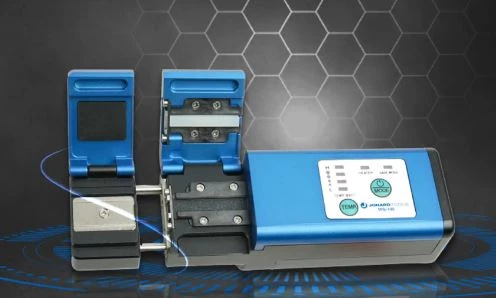
If you have ever worked with fiber optic cables, you know one thing for sure precision matters. Even a small mistake in stripping the fiber can cause damage or poor signal transmission. That’s where the thermal fiber stripping tool becomes an absolute game changer.
Whether you are a field technician, installer, or engineer, having a reliable fiber thermal stripper ensures every job is done with accuracy, speed, and consistency. In this guide, we will explore what makes these tools essential, how they work, and why professionals trust Jonard Tools for top notch performance.
What Is a Thermal Stripper?
A thermal stripper is a specialized tool used to remove the protective coating (or jacket) from fiber optic cables using controlled heat. Unlike mechanical strippers that rely on blades, a thermal stripper uses heat to soften the coating before removing it, minimizing the risk of damaging the delicate glass fiber inside.
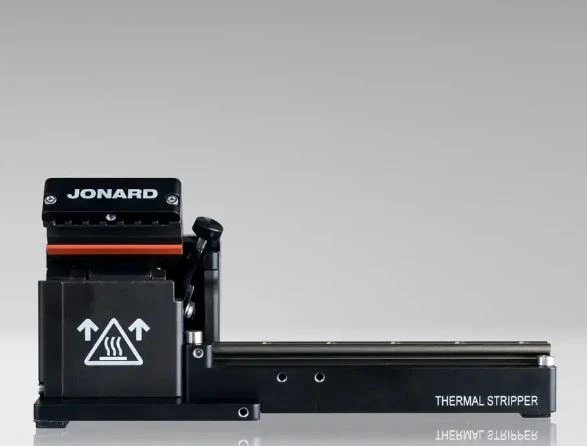
It’s all about clean, consistent stripping every single time.
So, if you have struggled with uneven or cracked fibers while using manual strippers, it’s time to experience the smooth precision of a fiber thermal stripper.
Why Use a Thermal Fiber Stripping Tool?
When working with fiber optics, precision and consistency are fixed. Using a thermal fiber stripping tool brings several benefits that mechanical stripping just can’t match,
- Zero Fiber Damage: The biggest advantage of a thermal stripper is its ability to remove coatings without nicking or breaking the fiber core.
- Consistent Results: Every strip is uniform, ensuring proper splicing, cleaving, or connector.
- Faster Workflow: With automatic heating and removal, you save valuable time on large projects.
- Cleaner Finish: Heated stripping leaves the fiber cleaner and easier to prep for further processes.
- Ideal for Specialty Fibers: Coated, buffered, or hardened fibers that are tough to strip manually can be handled easily with a thermal stripper.
Simply put, a thermal stripper combines efficiency, precision, and safety making it an indispensable tool for modern fiber optic technicians.
How Does a Fiber Thermal Stripper Work?
A thermal stripper works by gently heating the coating of the fiber to a specific temperature, softening it enough to be easily pulled off.
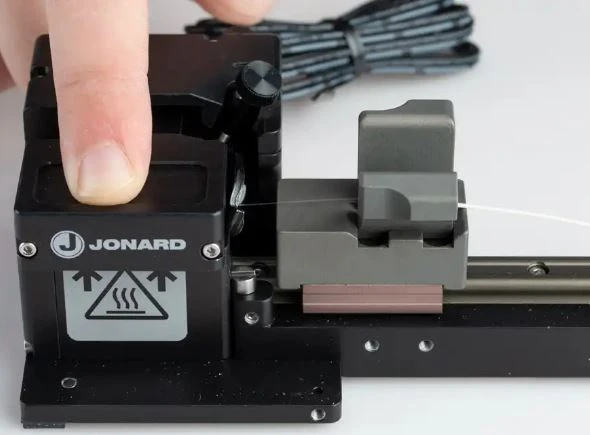
Here’s a simple breakdown,
- Insert the Fiber: Place the fiber cable into the designated slot or guide.
- Activate Heating: The tool uses controlled heat to soften the outer jacket or coating.
- Strip the Coating: Once softened, the coating is removed smoothly without damaging the core.
- Cool Down: The fiber is ready for the next step cleaning, cleaving, or splicing.
Most thermal fiber stripping tools come with adjustable temperature and timer settings, giving users control over different fiber types.
Common Applications of Thermal Strippers
Thermal strippers are not just for one specific task, they are used across multiple industries and applications:
- Telecommunications: Installing and maintaining fiber optic networks.
- Data Centers: Preparing cables for splicing and connector.
- Industrial Automation: Working with fiber sensors and control systems.
- Aerospace and Defense: High reliability fiber assembly for mission critical systems.
- Medical Equipment: Handling specialty fibers for precision instruments.
Everywhere fiber optics go, thermal strippers follow ensuring clean, precise fiber preparation.
Key Features to Look for in a Thermal Stripper
If you are planning to invest in a fiber thermal stripper, here’s what to look for
- Temperature Control: Adjustable settings to match different fiber coatings.
- Fast Heat Up Time: Tools that reach the right temperature quickly boost productivity.
- Ergonomic Design: Comfortable grip and lightweight build for easy field use.
- Durable Construction: Built from high quality materials to withstand repeated use.
- Safety Features: Automatic shut off and heat resistant materials for safe operation.
- Compatibility: Works with multiple fiber types, including single mode and multi mode fibers.
Jonard’s thermal fiber stripping tools offer all these features and more, ensuring professional grade results every time.
Why Jonard Tools Leads the Way in Fiber Stripping Technology
Jonard Tools has built a reputation for designing durable, ergonomic, and high performance tools. Their fiber thermal stripper lineup combines innovation with ease of use perfect for professionals who need reliability in the field.
Here’s why technicians choose Jonard:
- Precision Engineering: Accurate stripping every time.
- Rugged Durability: Built for real world environments.
- Ergonomic Comfort: Lightweight and designed for long hours of use.
- User Safety: Meets or exceeds industry safety standards.
- Trusted Brand: Known across the fiber optic industry for excellence and consistency.
From beginners to advanced fiber specialists, Jonard’s thermal strippers deliver exactly what professionals expect flawless performance.
How to Properly Use a Thermal Stripper
Let’s keep it practical, buddy. Here's how to get the best results:
- Set the Temperature: Adjust the heat according to the fiber coating.
- Insert the Fiber: Ensure it’s properly aligned in the slot.
- Activate the Tool: Let it heat for the recommended duration.
- Gently Pull the Coating: Once softened, remove it smoothly.
- Inspect the Fiber: Make sure the glass is clean and damage free.
And don’t forget to always follow the manufacturer’s guidelines for temperature and timing. That ensures consistent stripping and avoids accidental damage.
Maintenance Tips for Long Tool Life
To keep your thermal fiber stripping tool in top shape, follow these quick tips:
- Clean the stripping jaws regularly to prevent residue buildup.
- Avoid overheating and excessive heat can wear out internal parts faster.
- Store safely in a protective case when not in use.
- Inspect power cords and connections periodically.
- Follow calibration schedules for temperature accuracy.
A little care goes a long way in extending your tool’s life and maintaining performance.
Common Mistakes to Avoid
- Using the wrong temperature for a particular fiber coating.
- Pulling the fiber too soon before the coating softens fully.
- Neglecting tool cleaning after use.
- Using damaged or dirty fiber cables.
- Forgetting safety precautions when handling heated tools.
Avoid these, and your thermal stripper will serve you perfectly for years.
Real World Example: Thermal Stripping in Action
Imagine a technician preparing multiple fibers for a telecom installation. With a traditional mechanical stripper, each cable takes extra time, and there’s always a risk of damaging the glass.
Now, switch to a fiber thermal stripper, the technician completes each strip smoothly, consistently, and much faster. The result? Higher efficiency, fewer reworks, and a flawless installation.
That’s the Jonard difference in action.
Final Thoughts
In the world of fiber optics, precision defines success and the thermal fiber stripping tool is the foundation of that precision.
Whether you are in telecom, data, or industrial networking, this tool ensures every cable is prepped perfectly for optimal performance.
Jonard Tools fiber thermal strippers combine innovation, safety, and reliability helping professionals work smarter, not harder.
Upgrade your toolkit today with Jonard’s premium thermal strippers and experience flawless fiber preparation with every job.



























Sign in to leave a comment.