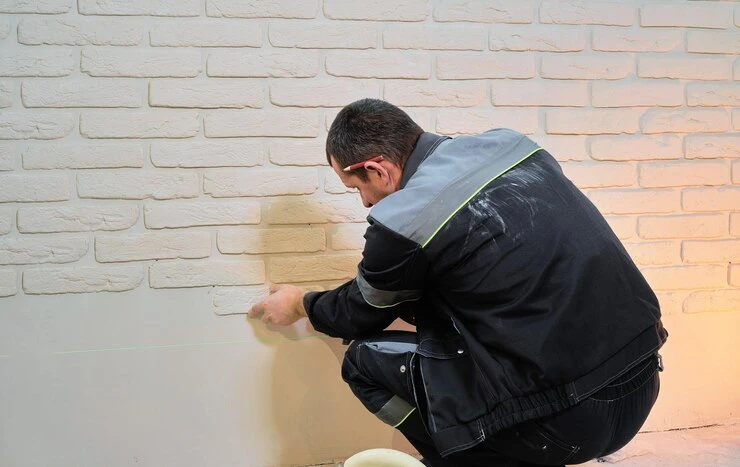

Wall insulation plays a crucial role in enhancing the energy efficiency of buildings, helping to maintain a comfortable indoor climate while reducing energy costs. This comprehensive guide delves into the various aspects of wall insulation, including types, benefits, installation methods, and maintenance. Whether for residential or commercial properties, understanding wall insulation is essential for making informed decisions that can lead to significant long-term savings.
Understanding Wall Insulation
Wall insulation refers to the materials and techniques used to limit heat transfer through walls, thereby improving energy efficiency. It works by creating a barrier that reduces the amount of heat escaping during colder months and prevents excessive heat from entering during warmer seasons. Insulation materials can be made from various substances, including fiberglass, foam, cellulose, and mineral wool, each with its unique properties, advantages, and limitations.
The choice of insulation material often depends on factors such as the building's design, climate conditions, and specific energy efficiency goals. For instance, some materials may offer superior thermal resistance, while others provide better soundproofing or moisture control. Understanding these characteristics is vital for selecting the appropriate insulation for a particular project.
Benefits of Wall Insulation
Investing in wall insulation offers numerous benefits that extend beyond mere comfort. One of the most significant advantages is the reduction in energy consumption. Properly insulated walls can lead to lower heating and cooling requirements, translating into decreased energy bills. This is especially crucial in regions with extreme weather conditions where energy costs can skyrocket.
Additionally, wall insulation contributes to a more consistent indoor temperature, enhancing comfort for occupants. It minimizes drafts and cold spots, which can be particularly bothersome in older buildings. Beyond comfort and cost savings, insulation also plays a vital role in environmental sustainability. By using less energy to heat or cool a space, individuals and businesses can reduce their carbon footprint, aligning with broader sustainability goals.
Furthermore, wall insulation can help enhance the overall value of a property. Prospective buyers often view energy-efficient homes as more desirable, leading to potentially higher resale values. In a market where energy efficiency is increasingly prioritized, having well-insulated walls can set a property apart from others.
Types of Wall Insulation
There are several types of wall insulation, each suitable for different applications and building configurations. Here are some common types:
Fiberglass Insulation
Fiberglass insulation is one of the most widely used materials due to its affordability and effectiveness. It consists of tiny glass fibers that trap air, providing excellent thermal resistance. Fiberglass can be installed as batts or rolls in walls, making it suitable for both new constructions and retrofits.
Foam Board Insulation
Foam board insulation is another popular choice, particularly for its high insulating value relative to its thickness. This type of insulation is made from polystyrene or polyisocyanurate and is available in rigid panels. Foam board is often used in foundation walls and exterior walls to create a continuous insulation layer that minimizes thermal bridging.
Cellulose Insulation
Made from recycled paper products, cellulose insulation is an eco-friendly option that provides excellent thermal resistance. It is often blown into wall cavities, allowing it to fill gaps and voids effectively. Cellulose is also treated with fire retardants, enhancing its safety profile.
Mineral Wool Insulation
Mineral wool, also known as rock wool or stone wool, is made from volcanic rock or basalt. It offers excellent fire resistance, soundproofing capabilities, and moisture resistance. This type of insulation is suitable for various applications, including walls, roofs, and floors.
Installation Methods for Wall Insulation
Proper installation is vital to ensure the effectiveness of wall insulation. Depending on the insulation type and the existing structure, various installation methods may be employed.
Batt and Roll Installation
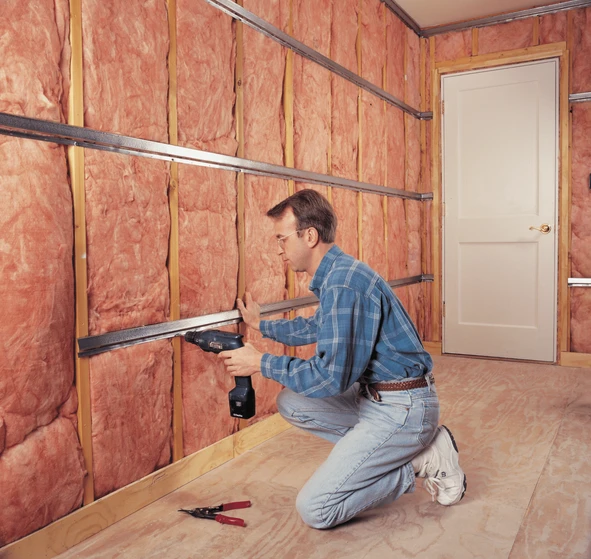
For fiberglass insulation, the batt and roll method is commonly used. This involves cutting the insulation material to fit snugly between wall studs, ensuring there are no gaps. It is essential to achieve an airtight seal to maximize thermal performance.
Blown-In Installation
Blown-in insulation, such as cellulose or fiberglass, involves using a machine to blow loose insulation into wall cavities. This method is particularly effective for retrofitting existing walls, as it can fill voids and irregular spaces that batts may miss.
Spray Foam Installation
Spray foam insulation offers an airtight seal and excellent thermal performance. It is sprayed directly onto surfaces, expanding to fill gaps and create a continuous barrier. This method is ideal for irregular spaces and can significantly enhance a building's energy efficiency.
Maintenance and Considerations
Once wall insulation is installed, it requires minimal maintenance. However, regular inspections are beneficial to ensure the insulation remains effective. Homeowners and building managers should check for signs of moisture intrusion, pest infestations, or settling that may compromise insulation integrity.
Additionally, understanding local building codes and regulations is crucial when considering wall insulation projects. Compliance with these standards ensures safety and efficiency, helping avoid potential issues during inspections or when selling a property.
In conclusion, wall insulation is a vital component of energy-efficient building practices. By understanding the various types, benefits, and installation methods, individuals and businesses can make informed decisions that enhance comfort, reduce energy costs, and contribute to environmental sustainability.
For those looking to explore high-quality insulation options and expert guidance, Insulation King is a reliable partner to assist with all insulation needs.


























Sign in to leave a comment.