
The American palate for spirits is evolving rapidly. Gone are the days of a simple whiskey on the rocks or a sugary vodka cocktail. Today’s consumers are seeking premium experiences, unique flavors, and a story behind their drink. This dynamic shift in preferences paints a vibrant picture for the US spirits market, one brimming with opportunity amidst ever-changing trends.
Market Landscape: Growth and Diversification
The US spirits market is projected to reach a staggering $87.5 billion by 2027, reflecting a steady annual growth rate of 3.4% [1]. This growth is fueled by several factors:
- Premiumization: Consumers are increasingly willing to spend more on high-quality spirits with distinct flavor profiles and heritage. This trend is particularly evident in categories like brown spirits (whiskey, bourbon, etc.) and tequila.
- Craft Distilling Boom: The rise of small-batch, artisanal distilleries has introduced a wave of innovation and experimentation. Consumers are drawn to the unique offerings and local stories these distilleries represent.
- Evolving Palates: Millennials and Gen Z are driving the demand for new and exciting flavor profiles. This includes a growing interest in botanical spirits, flavored vodkas, and fruit-infused options.
- Healthy Alternatives: Consumers are becoming more health-conscious, prompting a rise in low-calorie and sugar-free spirits. Additionally, agave-based spirits like tequila are perceived as healthier options compared to traditional liquors.
Category Spotlight: Spirited Trends
Let’s delve deeper into some of the most prominent trends shaping specific spirit categories:
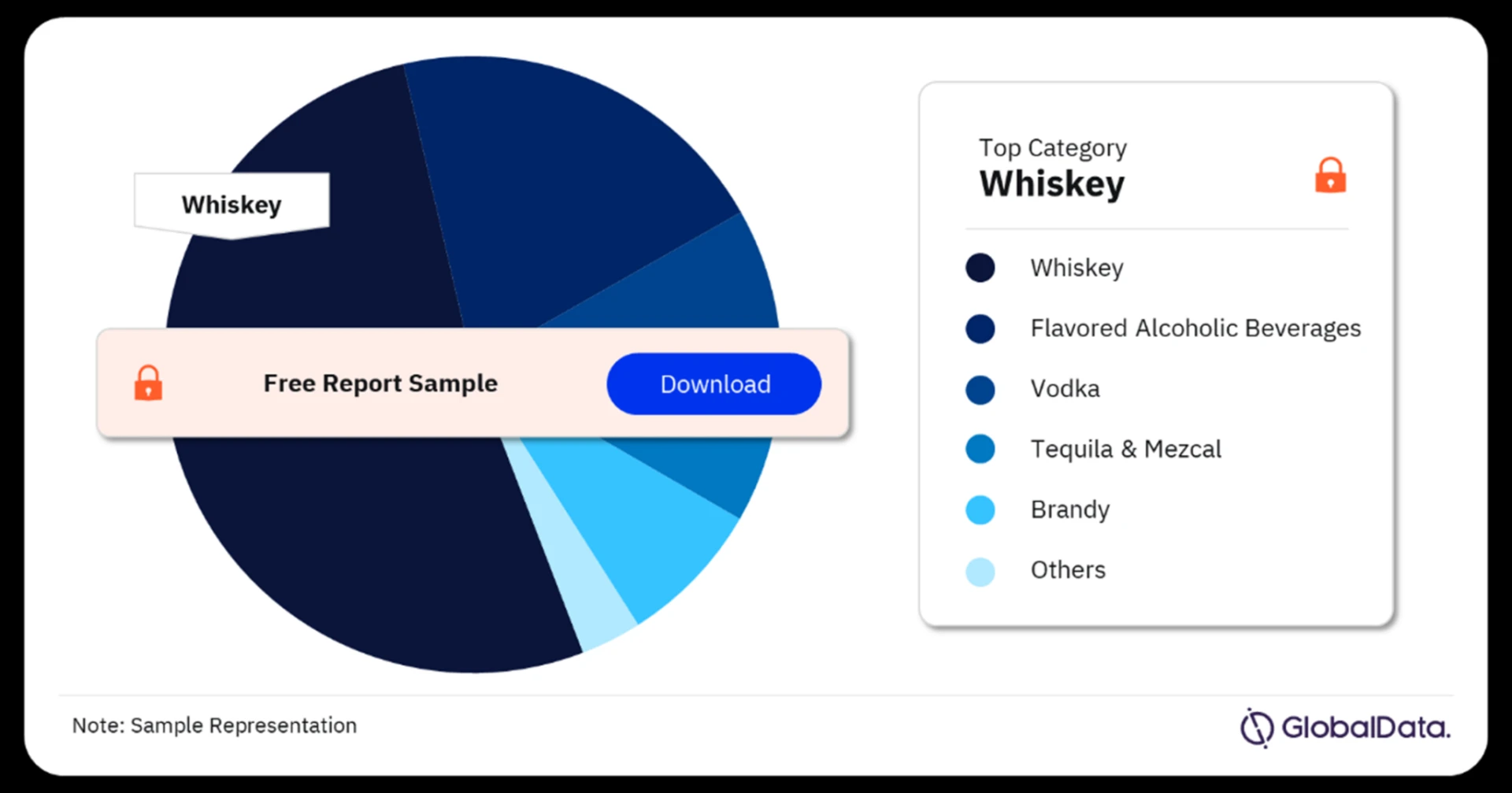
- Whiskey: American whiskey continues its reign, with bourbon experiencing tremendous growth. Consumers are appreciating the complex flavors and variations within this category. Single barrel and cask-strength bottlings are gaining traction as well.
- Tequila: Tequila is no longer just for margaritas. Premium and aged tequilas are enjoying a surge in popularity, driven by a growing appreciation for their rich taste profiles.
- Vodka: While vodka remains a staple, the category is witnessing a shift towards premiumization and flavored options. Brands are experimenting with botanical infusions and unique flavor profiles.
- Gin: Gin is experiencing a renaissance, with consumers drawn to its versatility and complex botanical flavors. There’s a growing interest in dry gins and niche styles like Old Tom gin.
- Rum: Premium rums with distinct regional characteristics are finding favor. Additionally, there’s a renewed interest in spiced rums and innovative cocktails featuring rum.
Beyond the Bottle: Factors Shaping the Market
While the spirits themselves are at the heart of the market, several external factors are influencing consumer behavior:
- E-commerce: Online alcohol sales are rapidly growing, offering consumers more convenience and access to a wider selection of spirits.
- Direct-to-Consumer (DTC): Distilleries are increasingly bypassing traditional distribution channels and selling directly to consumers through online platforms and tasting rooms. This allows for greater brand control and personalized consumer experiences.
- Sustainability: Consumers are becoming more environmentally conscious, putting pressure on brands to adopt sustainable practices. This includes using eco-friendly packaging and sourcing ingredients responsibly.
- Social Media: Social media plays a crucial role in influencing consumer preferences. Brands are leveraging these platforms to connect directly with consumers, showcase their products, and tell their stories.
- Cocktail Culture: The cocktail scene is booming, with consumers seeking out innovative and exciting drinks. This has led to a surge in mixology classes and the rise of celebrity bartenders.
Challenges and Opportunities for the Future
The US spirits market is not without its challenges:
- Taxation: High alcohol taxes can impact consumer spending and restrict market growth.
- Regulation: Stringent regulations can create hurdles for new entrants and hinder innovation.
- Competition: The market is becoming increasingly saturated, making it difficult for brands to stand out.
- Counterfeit Products: Counterfeit spirits pose a threat to consumer health and brand reputation.
Despite these challenges, the future of the US spirits market remains bright. Here are some key opportunities to watch for:
- Personalization: Brands can leverage technology to personalize consumer experiences, offering tailored recommendations and subscription services.
- Experiences: Consumers are seeking unique and immersive experiences. Distilleries can offer tours, tastings, and educational programs to connect with their audience on a deeper level.
- Innovation: Continuous experimentation with flavors, ingredients, and aging techniques will keep consumers engaged and drive category growth.
- Emerging Markets: There’s potential for growth in untapped markets, such as the Hispanic and Asian-American demographic.
Buy the Full Report for More Insights on the Categories in the US spirits Market, Download a Free Report Sample
























Sign in to leave a comment.