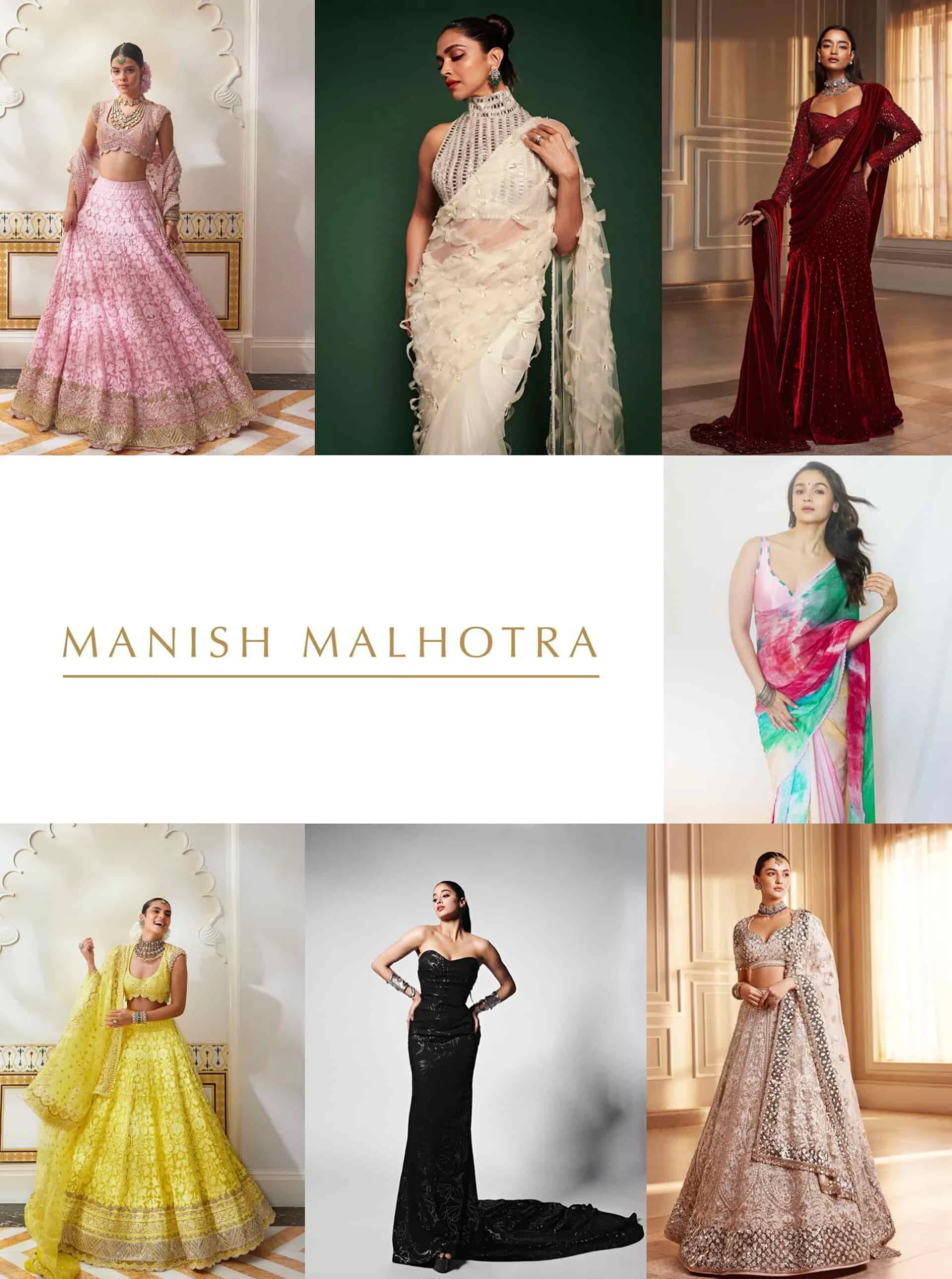

Indian fashion is a mesmerizing amalgamation of age-old traditions and contemporary trends. It is a realm where heritage weaves its magic with modern sensibilities, creating a unique and colorful tapestry that captivates the world. From the intricate craftsmanship of handloom sarees to the bold statements of contemporary designers, The Best Fashion India celebrates diversity, creativity, and cultural richness. This guest post delves into the multifaceted world of Indian fashion, exploring its historical roots, iconic traditional attire, contemporary trends, and the industry\'s burgeoning future.
The Historical Roots of Indian Fashion
Indian fashion has a rich and diverse history that dates back thousands of years. The Indus Valley Civilization, one of the world\'s oldest urban cultures, provides evidence of early textile production and fashion practices. Ancient texts, such as the Rigveda, mention various types of clothing and adornments, reflecting the importance of fashion in early Indian society.
Throughout history, Indian fashion has been influenced by a myriad of factors, including geography, climate, religion, and cultural exchanges. The Maurya and Gupta periods saw the flourishing of textile arts, with intricate weaving, dyeing, and embroidery techniques. The Mughal era, in particular, left an indelible mark on Indian fashion, introducing luxurious fabrics like silk and velvet, and exquisite embellishments such as zardozi (metallic embroidery) and chikankari (white thread embroidery).
Iconic Traditional Attire
Indian traditional attire is a testament to the country\'s cultural diversity and craftsmanship. Each region boasts its unique styles and textiles, making Indian fashion a kaleidoscope of colors, patterns, and designs.
Saree
The saree is arguably the most iconic and versatile garment in Indian fashion. This six to nine-yard long piece of cloth can be draped in numerous ways, each style reflecting a particular region\'s cultural heritage. Banarasi sarees from Varanasi, known for their opulent silk and intricate gold and silver brocade work, are highly coveted. Similarly, Kanjeevaram sarees from Tamil Nadu, with their vibrant colors and rich silk, are a symbol of South Indian elegance. The delicate handwoven sarees from Bengal, such as the Baluchari and Jamdani, showcase exquisite craftsmanship and storytelling through their motifs.
Lehenga Choli
The lehenga choli is another traditional attire that has evolved over time. Traditionally worn during festive occasions and weddings, the lehenga choli consists of a flared skirt (lehenga), a fitted blouse (choli), and a dupatta (scarf). The intricate embroidery, mirror work, and embellishments make it a stunning ensemble. Regions like Rajasthan and Gujarat are famous for their colorful and heavily embroidered lehengas.
Salwar Kameez
The salwar kameez is a popular and comfortable traditional outfit, particularly in North India and Punjab. It comprises a long tunic (kameez), loose-fitting trousers (salwar), and a dupatta. Variations such as the churidar (tight-fitting trousers) and the Anarkali (a long, frock-style top) have gained popularity across India. The salwar kameez is often adorned with intricate embroidery, prints, and embellishments, making it suitable for both casual and formal occasions.
Contemporary Trends in Indian Fashion
Indian fashion has undergone a significant transformation in recent years, with designers blending traditional elements with contemporary aesthetics. This fusion has given rise to innovative styles that appeal to both domestic and international audiences.
Indo-Western Fusion
Indo-Western fusion wear has become a prominent trend, especially among the younger generation. This style combines traditional Indian silhouettes and fabrics with Western cuts and designs. For instance, a traditional saree may be paired with a modern crop top or a jacket, creating a chic and contemporary look. Fusion wear allows individuals to embrace their cultural heritage while staying fashionable and trendy.
Sustainable Fashion
The global shift towards sustainability has also influenced Indian fashion. Many designers are now focusing on eco-friendly practices, using organic fabrics, natural dyes, and traditional handloom techniques. Brands like Anita Dongre\'s Grassroot and designers like Rahul Mishra are pioneers in promoting sustainable fashion in India. This movement not only supports local artisans and craftsmanship but also addresses environmental concerns.
Athleisure and Streetwear
The rise of athleisure and streetwear in India reflects the changing lifestyle and preferences of the urban population. Comfortable yet stylish clothing, such as joggers, hoodies, and oversized t-shirts, has gained immense popularity. Indian streetwear brands like NoughtOne and NorBlack NorWhite are making waves with their unique designs that blend Indian motifs and street style.
The Future of Indian Fashion
The future of Indian fashion looks promising, with several key trends and developments shaping the industry.
Digital Transformation
The digital revolution has transformed the fashion landscape in India. E-commerce platforms, social media, and fashion influencers play a crucial role in shaping trends and reaching a wider audience. Online shopping has made it easier for consumers to access a diverse range of fashion choices, from traditional wear to contemporary designs. Virtual fashion shows and digital marketing strategies have become essential tools for designers to showcase their collections and engage with customers.
Global Recognition
Indian fashion designers are gaining international acclaim for their creativity and craftsmanship. Designers like Sabyasachi Mukherjee, Manish Malhotra, and Tarun Tahiliani have showcased their collections at prestigious fashion weeks and dressed global celebrities. The fusion of Indian aesthetics with global sensibilities has made Indian fashion a significant player on the world stage.
Revival of Traditional Crafts
Efforts to revive and sustain traditional crafts are gaining momentum. Government initiatives, NGO support, and collaborations between designers and artisans are helping to preserve age-old techniques and promote them to a global audience. The renewed interest in handloom sarees, block printing, and other traditional crafts is contributing to the preservation of India\'s rich textile heritage.
Conclusion
Indian fashion is a vibrant and dynamic industry that seamlessly blends tradition and modernity. Its rich history, iconic traditional attire, and contemporary trends create a captivating narrative that continues to evolve. As the industry embraces sustainability, digital transformation, and global recognition, Indian fashion is poised for a bright future. Whether it\'s the timeless elegance of a saree, the opulence of a lehenga, or the innovation of Indo-Western fusion, Indian fashion is a testament to the country\'s cultural diversity, creativity, and enduring legacy.

















Sign in to leave a comment.