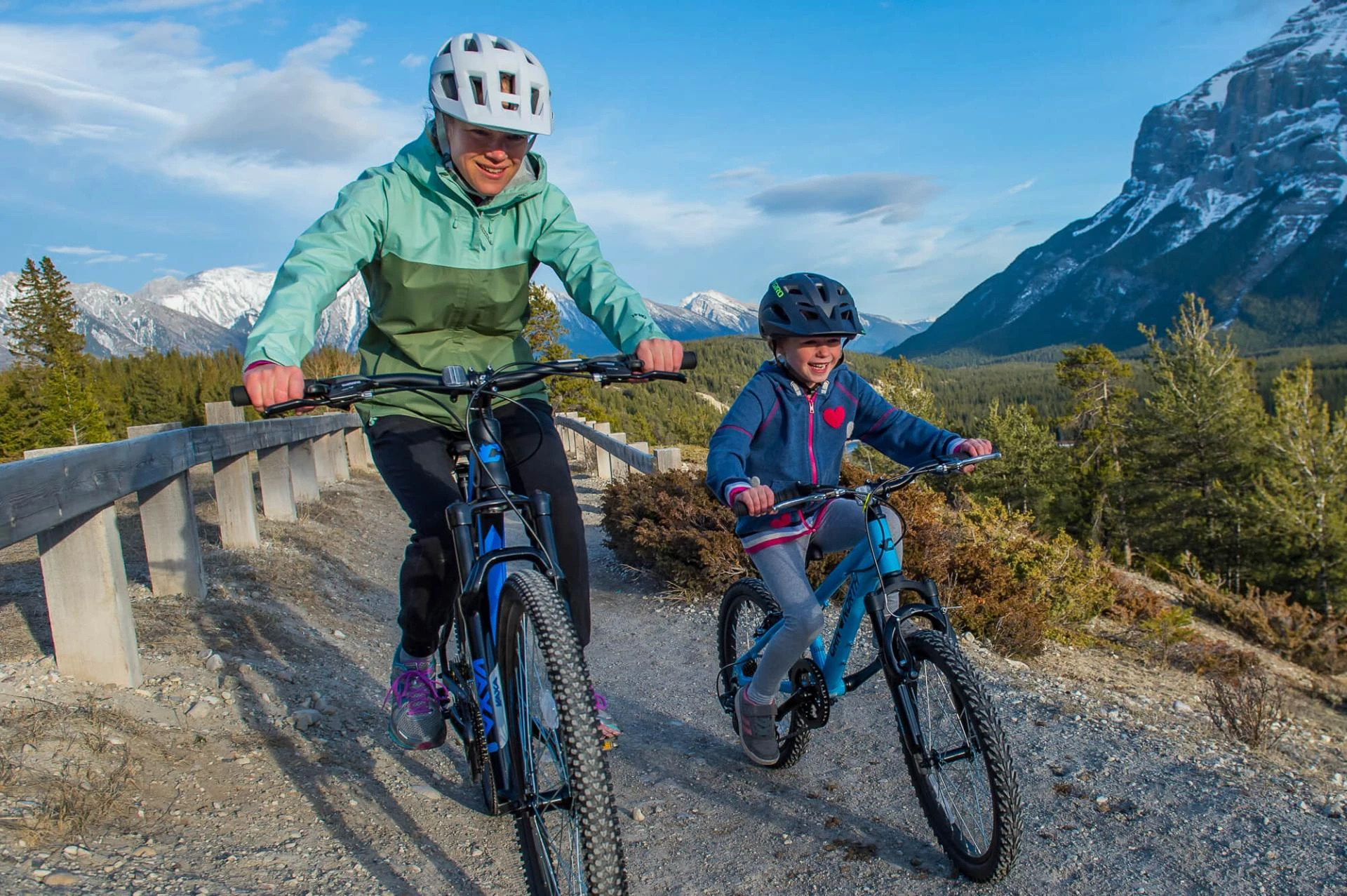

Whether you're a seasoned cyclist or a newbie eager to embrace the open road, choosing the right bike is crucial for a satisfying and safe riding experience. With so many alternatives, it's essential to take into account a number of things to make sure you get the ideal two-wheeled partner for your requirements. Explore the best Running Products in BC, Canada, to enhance your cycling experience further.
Let's explore the key considerations when embarking on the journey to select your next bike.
Define Your Riding Purpose:
The first and foremost factor to consider is your intended use. Are you planning to cruise through the city streets, conquer mountain trails, or engage in long-distance touring? Different bikes are designed for specific purposes, so clarifying your primary use will guide you toward the most suitable type of bicycle.
Choose the Right Type of Bike:
Bicycles come in various types, each tailored to different activities. While mountain bikes are made for rough off-road terrain, road bikes are made for speed and efficiency on flat ground. Hybrid bikes offer a versatile option for city and trail riding. Selecting the right type ensures that your bike aligns with your intended activities.
Consider Frame Materials:
The material of the bike frame significantly impacts its weight, durability, and ride comfort. Common materials include aluminum, steel, carbon fibre, and titanium. Aluminum is lightweight and corrosion-resistant, while carbon fibre provides excellent strength and vibration absorption. Consider your budget, riding preferences, and the terrain you'll cover when evaluating frame materials.
Determine the Right Size:
An ill-fitting bike can lead to discomfort, pain, and even injuries. Ensure your bike is the correct size by considering your height, inseam length, and reach. Most manufacturers provide size charts to guide your decision. Test rides are also invaluable in determining the right fit, allowing you to assess comfort and handling before making a final decision.
Explore Gear Systems:
Different types of bikes come with varying gear systems, influencing your ability to tackle different terrains. Road bikes often have more gears for speed, while mountain bikes may feature a broader range to navigate inclines and descents. Consider your typical riding conditions and choose a gear system that aligns with your intended use.
Brake Options:
Two primary types of brakes dominate the biking scene: rim brakes and disc brakes. While disc brakes have more stopping force and work effectively under a variety of circumstances, rim brakes are more conventional and less expensive. Your choice may depend on personal preference, budget, and the riding you plan to do.
Evaluate Suspension:
For off-road enthusiasts, suspension is a critical consideration. Mountain bikes often feature front or dual suspension to absorb shocks and enhance control on rough terrain. On the other hand, road bikes typically have minimal or no suspension to maximize efficiency on smooth surfaces. Evaluate your intended riding environment to determine the level of suspension you need.
Factor in Budget and Quality:
Establish a realistic budget for your bike purchase, considering not only the cost of the bike itself but also essential accessories such as a helmet, lock, lights, and maintenance tools. While opting for the latest features is tempting, balance your desires with practicality to ensure you get the best value for your investment.
Check for Additional Features:
Consider any extra features that may enhance your biking experience. Features such as mudguards, luggage racks, and lighting systems can be essential for commuting or touring. When exploring these additional elements, keep an eye out for Top Brand Cycling in Canada. Prioritize quality to ensure your bike is equipped with reliable and durable components, enhancing performance and style.
In conclusion, choosing the right bike involves thoughtful consideration of your riding purpose, type of bike, frame materials, size, gear systems, brakes, suspension, budget, additional features, and expert opinions. By carefully evaluating these factors, you'll be well on your way to finding the perfect two-wheeled companion for your cycling adventures. Happy riding!



























Sign in to leave a comment.