
Maintaining healthy skin is akin to tending a delicate garden; it requires consistent care, attention, and protection from various environmental elements. Our skin, the body's largest organ, acts as a frontline defense against external aggressors. However, numerous environmental factors can compromise its integrity, leading to various skin concerns. This article delves into these factors and offers strategies for comprehensive skin protection.
Understanding the Skin Barrier
The Role of the Skin Barrier
The skin barrier serves as a protective shield, preventing moisture loss and blocking harmful substances. It's composed of four interdependent layers: physical, chemical, immune, and microbial. Together, they maintain hydration and defend against external threats.
Consequences of a Compromised Skin Barrier
When the skin barrier is compromised, it can lead to conditions such as dermatitis, psoriasis, and an increased risk of infections and skin cancer. Factors like overuse of harsh skincare products, excessive washing, and environmental aggressors can weaken this barrier.
Environmental Factors Affecting Skin Health
Ultraviolet (UV) Radiation
UV radiation from the sun is a well-known culprit in skin aging, sunburns, and skin cancer. The Ultraviolet Index (UV Index) measures the strength of sunburn-producing UV radiation at a particular place and time. High UV Index values indicate a greater risk of harm from unprotected sun exposure.
Pollution
Exposure to pollutants, such as industrial chemicals, automobile exhaust, and cigarette smoke, can disrupt the skin's lipid production and activate itch receptors, leading to conditions like atopic dermatitis.
Climate Conditions
Low humidity and cold temperatures can strip the skin of its natural moisture, increasing the risk of flares in individuals with atopic dermatitis.
Hard Water
The prevalence of atopic dermatitis in children may be linked to the level of calcium carbonate or "hardness" of household drinking water. Living in areas with hard water may also play a part in the development of atopic dermatitis in early life.

Strategies for Comprehensive Skin Protection
Sun Protection
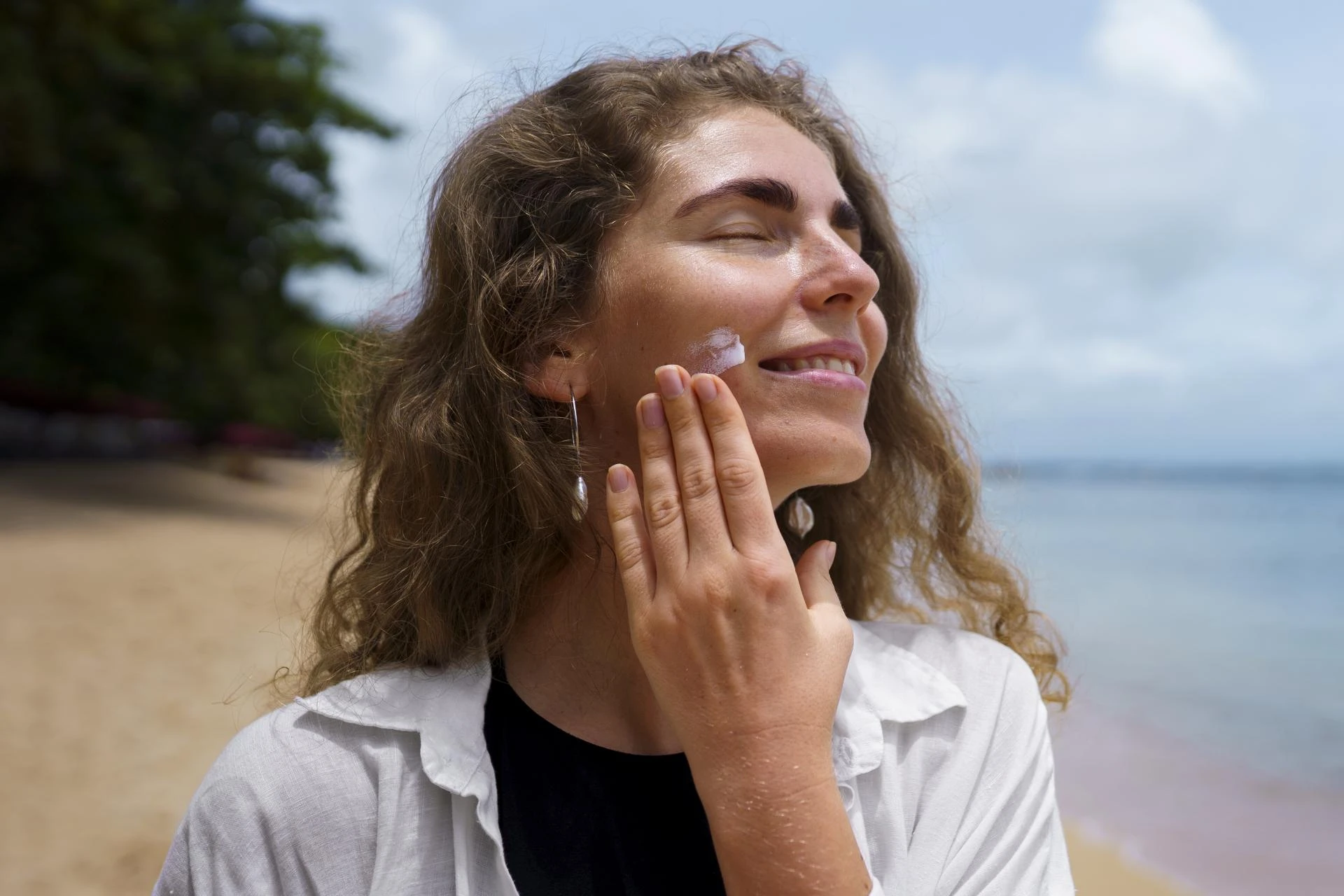
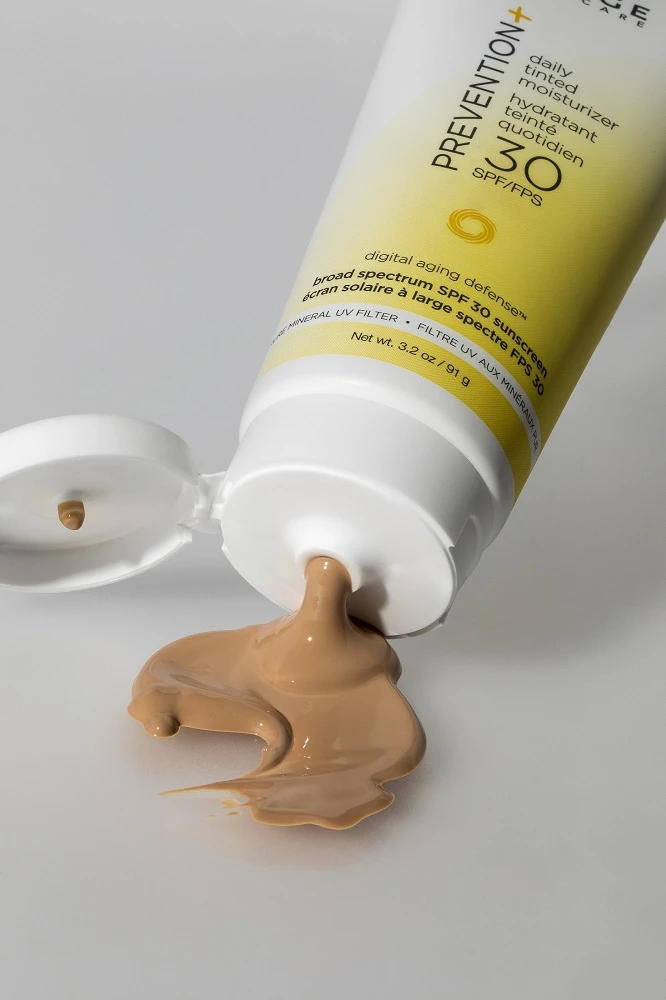
- Use Broad-Spectrum Sunscreen: Apply a broad-spectrum sunscreen with an SPF of at least 30 to protect against both UVA and UVB rays. Reapply every two hours, especially after swimming or sweating.
- Wear Protective Clothing: Don wide-brimmed hats, sunglasses, and long-sleeved clothing to shield the skin from direct sun exposure.
- Seek Shade: Limit sun exposure, particularly between 10 AM and 4 PM when UV radiation is strongest.
Pollution Defense
- Cleanse Regularly: Use gentle cleansers to remove pollutants from the skin's surface without stripping natural oils.
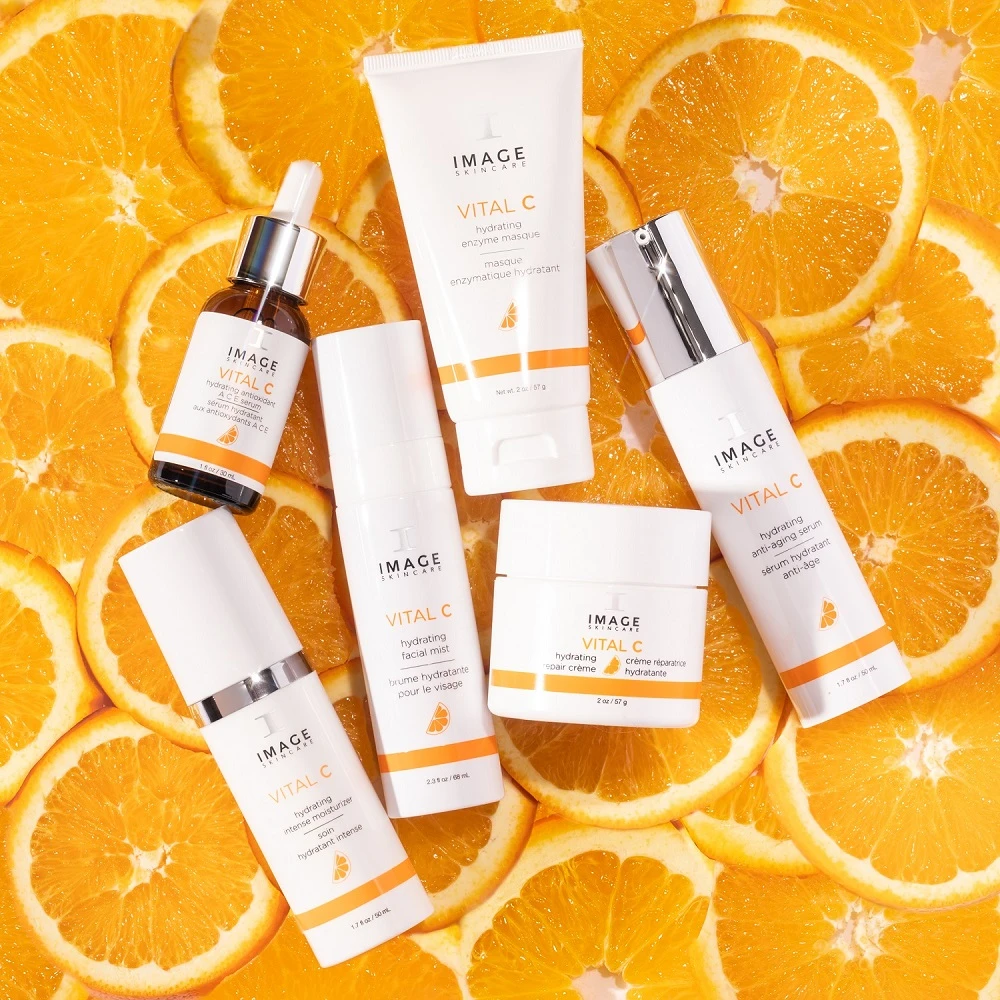
- Antioxidant-Rich Skincare: Incorporate products containing antioxidants like Vitamin C to neutralize free radicals caused by pollution.
Climate Adaptation
- Humidify Your Environment: Use humidifiers during dry seasons to maintain indoor moisture levels, preventing skin dryness.
- Adjust Skincare Routine: Opt for richer moisturizers during colder months to provide an extra layer of protection against harsh weather.
Hard Water Solutions
- Install Water Softeners: Consider using water softeners to reduce water hardness, minimizing its impact on the skin.
- Use Gentle Cleansers: Choose soap-free or mild cleansers that are less likely to react with hard water minerals.
Holistic Approaches to Skin Health
Diet and Nutrition
- Antioxidant-Rich Diet: Consume foods high in antioxidants, such as fruits and vegetables, to combat oxidative stress.
- Hydration: Drink ample water to maintain skin hydration from within.
Lifestyle Choices
- Adequate Sleep: Aim for 7-9 hours of quality sleep to support skin regeneration and repair.
- Regular Exercise: Engage in physical activities to boost circulation, delivering nutrients to the skin.
Conclusion
Understanding the environmental factors that affect skin health is paramount in devising effective protection strategies. By adopting a comprehensive approach that includes proper skincare, lifestyle modifications, and environmental awareness, we can fortify our skin's defenses and maintain its health and vitality.
Frequently Asked Question
How does pollution specifically damage the skin?
Pollution exposes the skin to free radicals, which can damage skin cells, leading to
premature aging and conditions like atopic dermatitis.
Can diet really influence skin health?
Yes, a diet rich in antioxidants and essential nutrients supports skin health by combating oxidative stress and promoting repair mechanisms.
Is sunscreen necessary on cloudy days?
Absolutely. UV rays can penetrate through clouds, so applying sunscreen daily is essential for protection.
How does hard water affect the skin?
Hard water contains high levels of minerals like calcium and magnesium, which can disrupt the skin barrier, leading to dryness and irritation.
What are the signs of a compromised skin barrier?
Symptoms include dryness, itching, redness, and increased sensitivity.






















Sign in to leave a comment.